
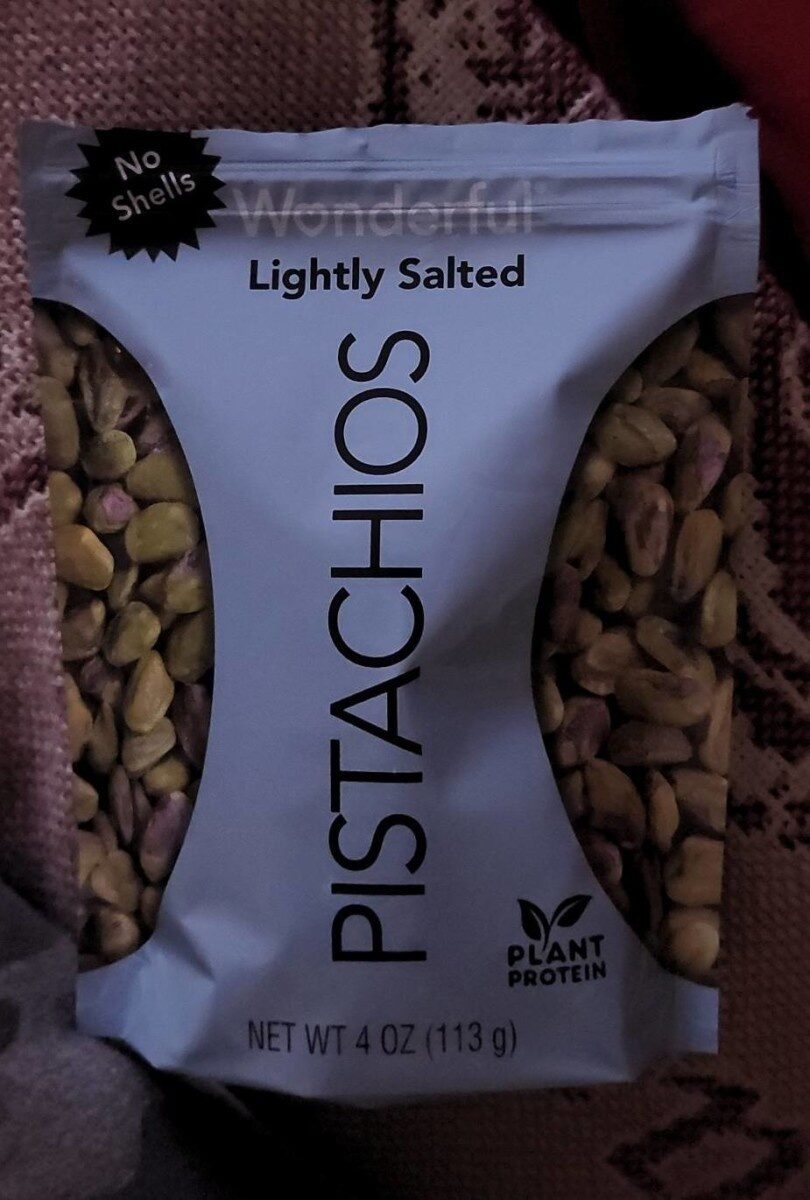
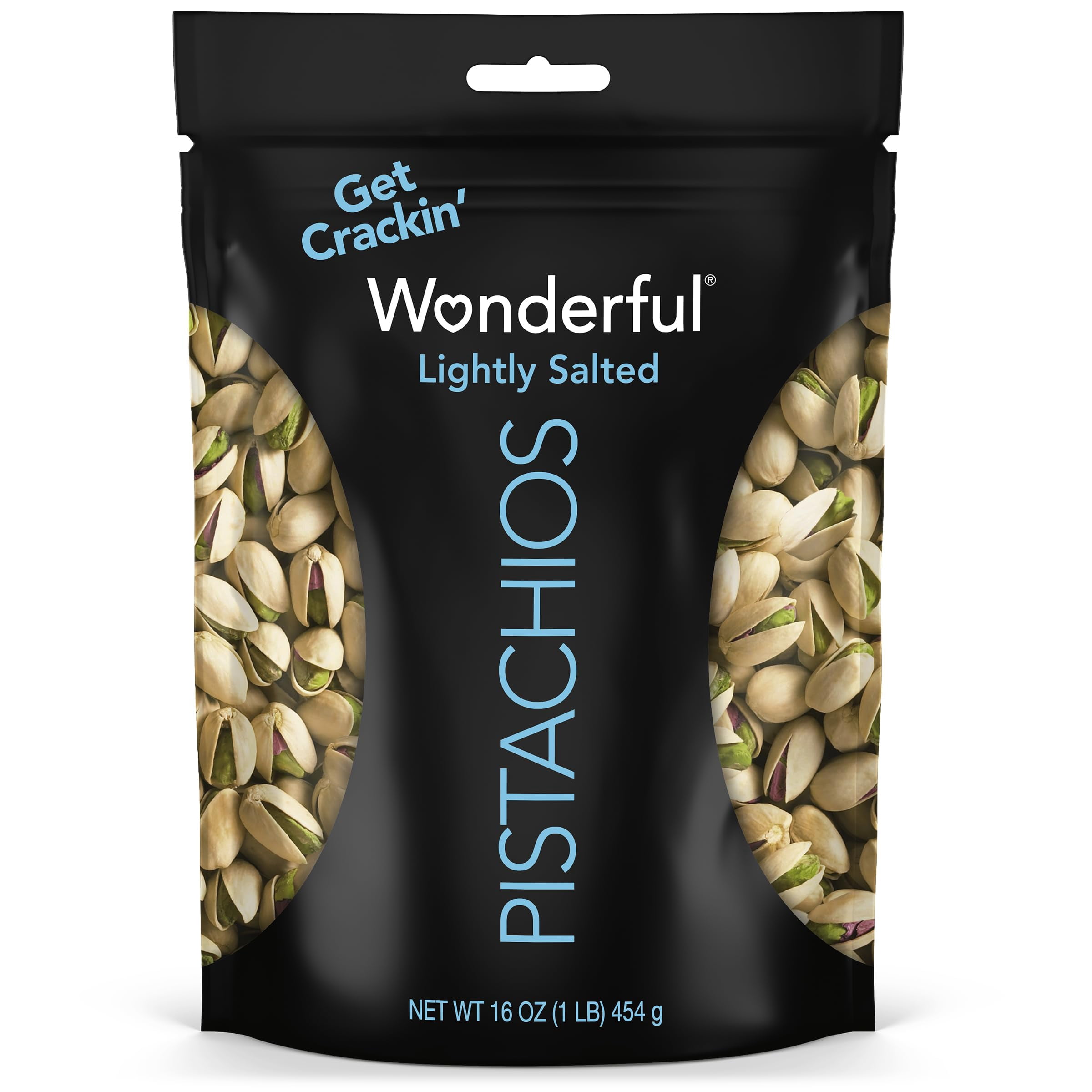
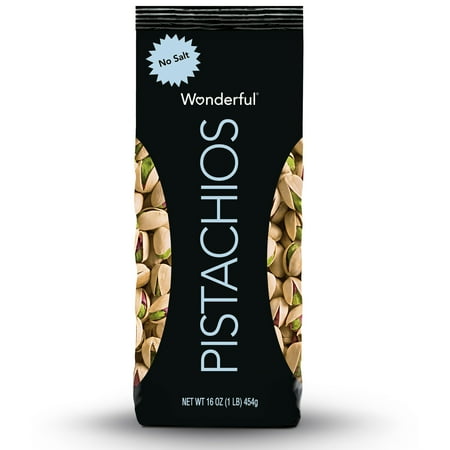
Pistachios
Summary
This product contains beneficial ingredients like pistachios, which are nutrient-dense and rich in healthy fats, protein, and fiber. However, the presence of sunflower oil, a seed oil high in omega-6 fatty acids, and added sugar detracts from its nutritional quality. Additionally, the product is classified as ultra-processed, which limits its overall health rating despite the presence of some natural spices and flavor enhancers.
At a glance
Key ingredients 14
PistachiosVery Good
Pistachios are nutrient-dense nuts rich in healthy fats, protein, and fiber. They provide essential vitamins and minerals such as vitamin B6, thiamine, and phosphorus. Their antioxidant content supports heart health and reduces inflammation.
Benefits
Rich in monounsaturated fats and antioxidants, pistachios support heart health and provide anti-inflammatory benefits.
Sunflower OilVery Bad
Sunflower oil is a seed oil high in omega-6 fatty acids, which can promote inflammation if consumed excessively. It is often highly processed, which may reduce its nutritional quality. Compared to healthier oils like olive oil, it lacks beneficial monounsaturated fats.
Risks
High omega-6 content may promote inflammation when consumed in excess.
SaltNeutral
Salt is used as a flavor enhancer and preservative in many foods. While necessary for bodily functions, excessive intake can lead to hypertension and cardiovascular issues. It is important to consume salt in moderation.
Risks
Excessive salt intake can lead to high blood pressure and increased risk of heart disease.
Benefits
Essential for maintaining fluid balance and nerve function in the body.
SugarBad
Refined sugar is a source of empty calories with no essential nutrients. It can contribute to weight gain and increase the risk of metabolic diseases when consumed in excess. Unlike natural sugars found in whole foods, refined sugar lacks fiber and beneficial compounds.
Risks
Excessive consumption can lead to obesity, type 2 diabetes, and dental issues.
Citric AcidNeutral
Citric acid is a natural preservative and flavor enhancer commonly used in food products. It is generally recognized as safe and helps maintain the stability and freshness of foods. It is naturally found in citrus fruits and poses minimal health risks.
Benefits
Helps preserve food and enhance flavor without significant health concerns.
Malic AcidNeutral
Malic acid is a naturally occurring acid found in fruits, used to enhance flavor and acidity in foods. It is generally recognized as safe and contributes to the tartness of products. It is metabolized by the body without adverse effects.
Benefits
Enhances flavor and acidity in foods, contributing to a pleasant taste profile.
Red Tabasco PepperGood
Red Tabasco pepper adds a spicy flavor and contains capsaicin, which may have metabolism-boosting properties. It is a natural ingredient that provides a distinct taste without artificial additives. Capsaicin may also have anti-inflammatory effects.
Risks
May cause irritation or discomfort in sensitive individuals or when consumed in large amounts.
Benefits
Contains capsaicin, which may boost metabolism and provide anti-inflammatory benefits.
Garlic PowderGood
Garlic powder is a concentrated form of garlic, known for its potential health benefits including antimicrobial and cardiovascular support. It retains many of the beneficial compounds found in fresh garlic. Its use in foods can enhance flavor and provide health benefits.
Benefits
May support heart health and provide antimicrobial benefits due to its active compounds.
Yeast ExtractNeutral
Yeast extract is used to enhance flavor and provide umami taste in foods. It is a natural ingredient derived from yeast and is generally recognized as safe. It contains glutamates, which can enhance flavor but may cause sensitivity in some individuals.
Risks
May cause sensitivity in individuals sensitive to glutamates.
Benefits
Enhances flavor and provides umami taste without artificial additives.
VinegarGood
Vinegar is a natural preservative and flavor enhancer with potential health benefits such as blood sugar regulation. It is made through fermentation and contains acetic acid, which may have antimicrobial properties. Its use in foods can enhance flavor and provide health benefits.
Benefits
May help regulate blood sugar levels and provide antimicrobial benefits.
PaprikaGood
Paprika is a spice made from ground peppers, rich in antioxidants and vitamins such as vitamin A. It adds flavor and color to foods naturally without artificial additives. Its antioxidant content may support immune health and reduce inflammation.
Benefits
Rich in antioxidants and vitamins, supporting immune health and reducing inflammation.
TurmericGood
Turmeric is a spice known for its anti-inflammatory and antioxidant properties, primarily due to curcumin. It is used in foods for flavor and color, providing health benefits beyond its culinary use. Curcumin may support joint health and reduce inflammation.
Benefits
Contains curcumin, which may reduce inflammation and support joint health.
HoneyNeutral
Honey is a natural sweetener with some antioxidant properties, but it is still a source of sugar. It provides a natural alternative to refined sugars, though it should be consumed in moderation. Unlike refined sugar, honey contains trace nutrients and antioxidants.
Risks
Excessive consumption can contribute to weight gain and increased blood sugar levels.
Benefits
Contains trace nutrients and antioxidants, offering a natural alternative to refined sugar.
Natural FlavorBad
Natural flavor is a broad term that can include a variety of compounds derived from natural sources. It lacks transparency, making it difficult to assess its health impact. While derived from natural sources, it may still involve processing and additives.
Risks
Lack of transparency can make it difficult to assess potential allergens or sensitivities.
Processing
Ultra-Processed Foods
Get the full breakdown in the Scout app
Scan any product to see lab results, healthy alternatives, and your personalized analysis.
Download on theApp Store