
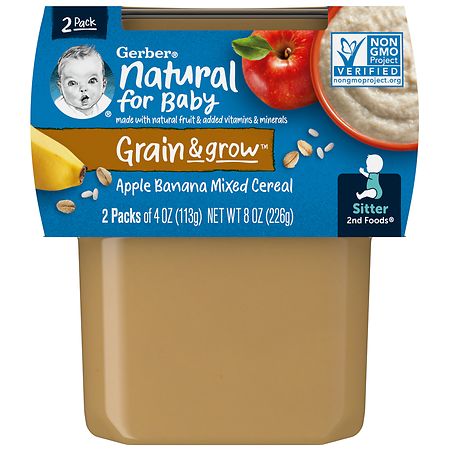
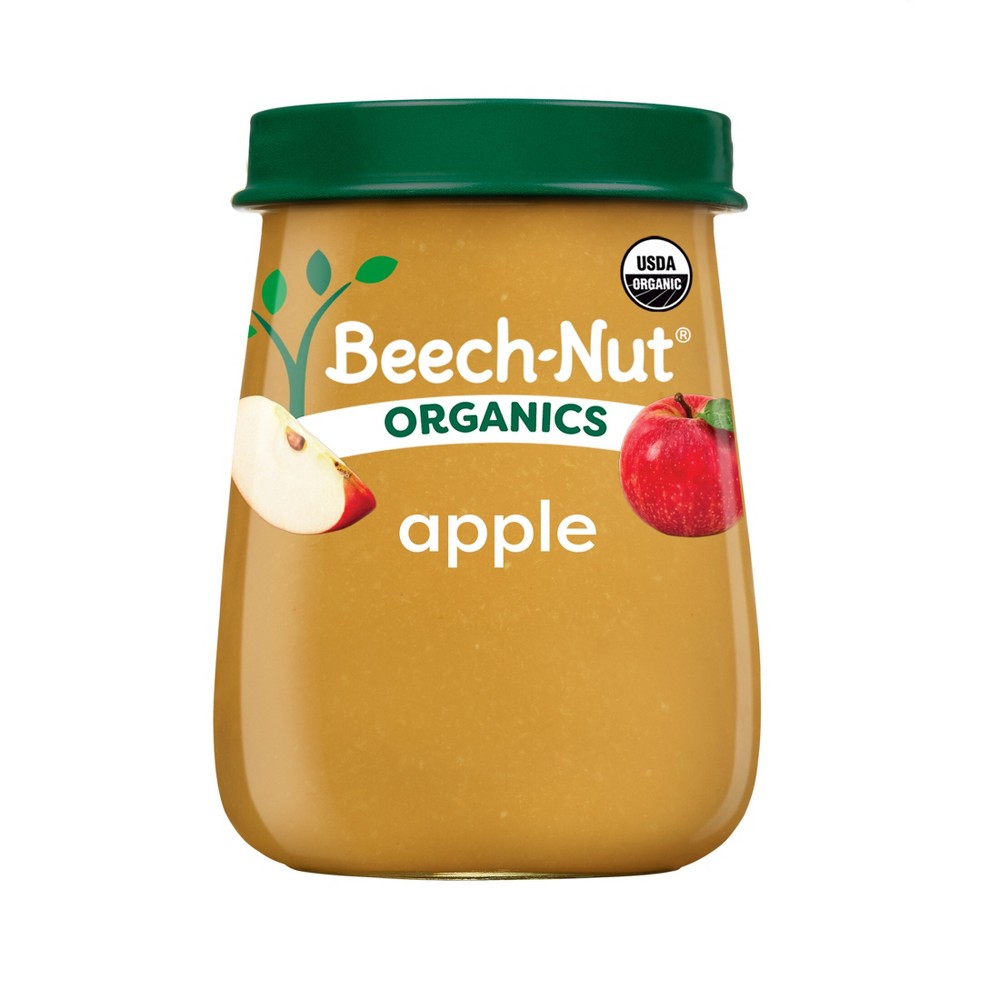
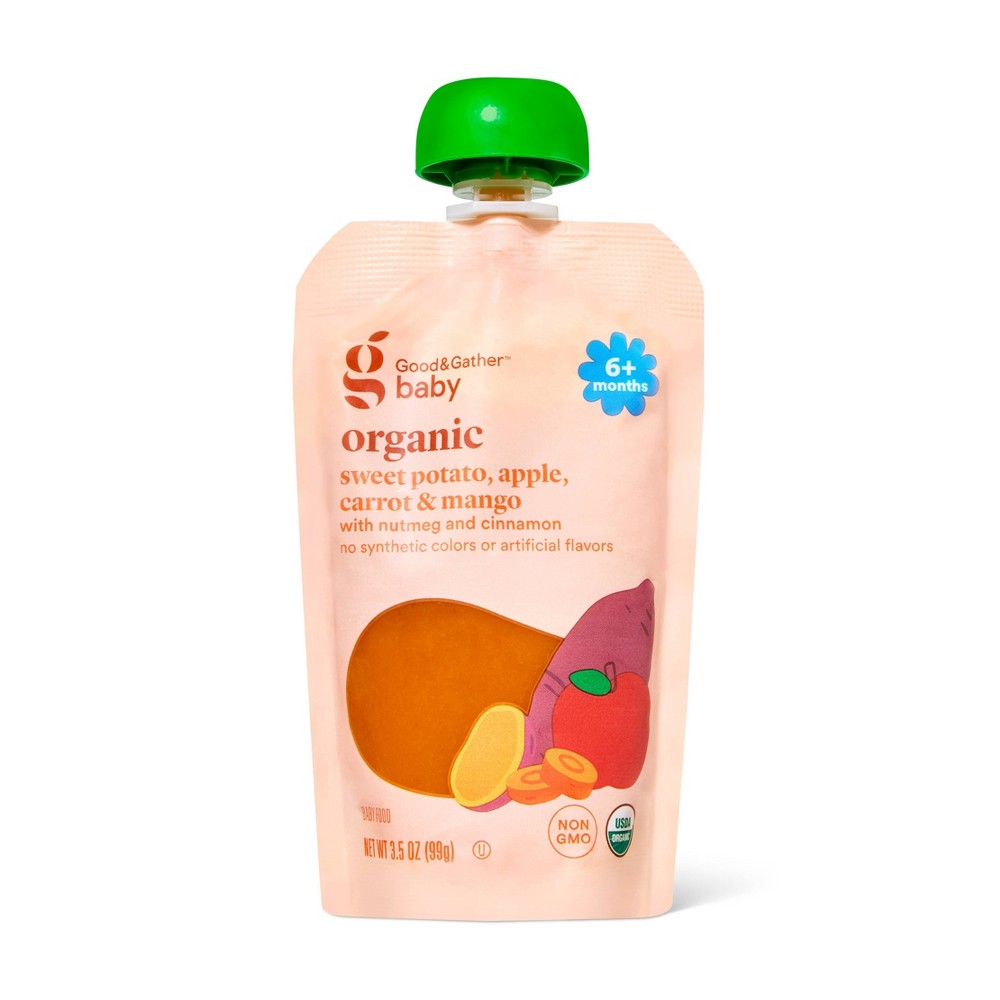
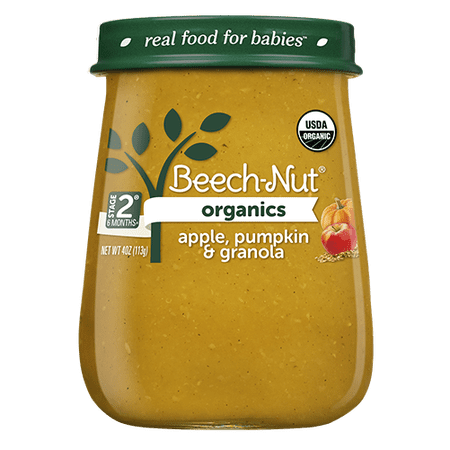
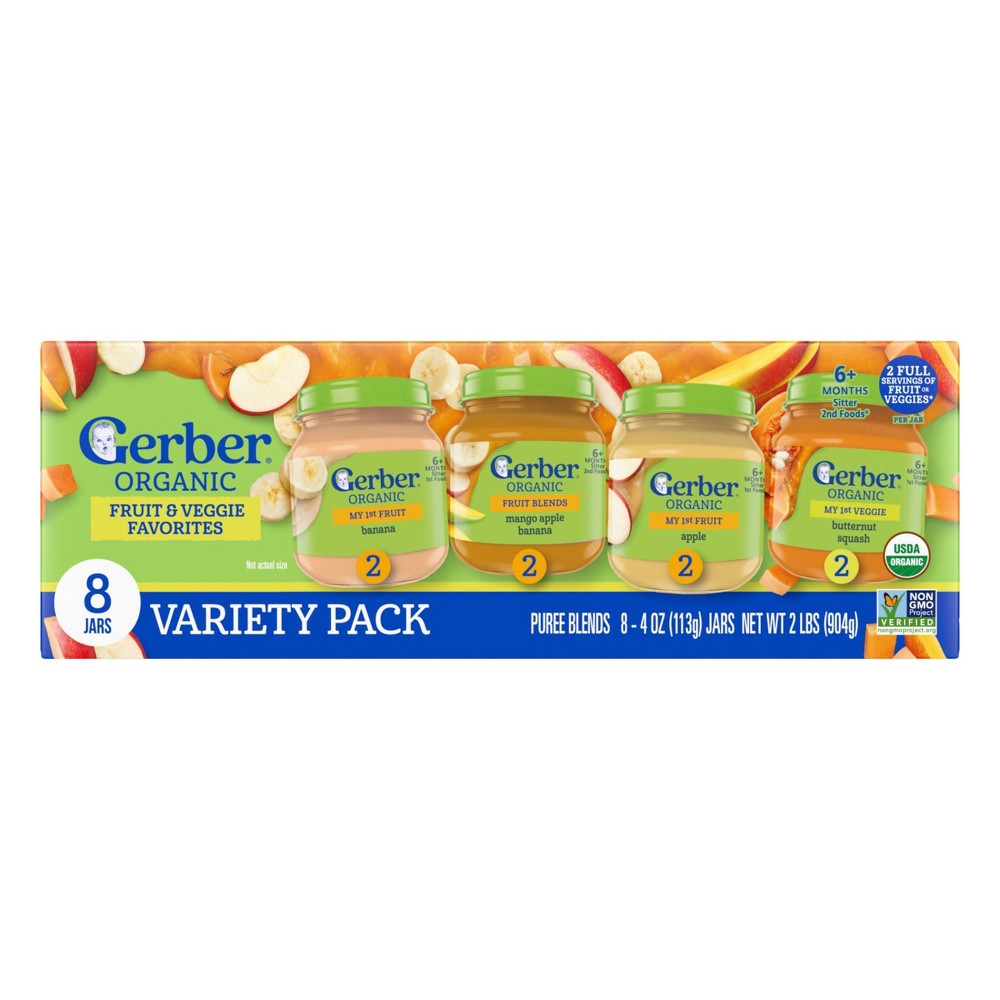
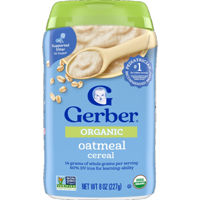
(Pack of 2) Gerber 2nd Foods Apple Banana with Mixed Cereal Baby Food, 4 oz Tubs
Summary
This baby food product contains beneficial ingredients like apples, bananas, and whole oat flour, which provide essential nutrients and fiber. However, it is moderately processed with added vitamins and minerals, and includes citric acid as an additive. The processing level and presence of additives slightly reduce its overall healthiness, but it remains a nutritious option for infants.
At a glance
Key ingredients 18
ApplesVery Good
Apples are a rich source of dietary fiber and vitamin C, promoting digestive health and immune function. They are minimally processed and retain most of their natural nutrients. The natural sugars in apples provide a healthy energy source for babies.
Benefits
Rich in fiber and vitamin C, supporting digestion and immune health. Provides natural sugars for energy.
Apple JuiceNeutral
Apple juice is used to enhance flavor and sweetness but lacks the fiber found in whole apples. It is processed from apple juice concentrate, which may reduce some nutritional value. While it provides hydration and some vitamins, it is less beneficial than whole fruit.
Risks
Excessive consumption of fruit juice can contribute to dental issues and excessive calorie intake.
Benefits
Provides hydration and some vitamins, though less beneficial than whole apples.
Whole Oat FlourGood
Whole oat flour is a good source of complex carbohydrates and dietary fiber, supporting sustained energy release and digestive health. It contains beta-glucans, which may help lower cholesterol levels. The presence of wheat indicates potential gluten content, which is important for those with sensitivities.
Risks
Contains gluten, which may be a concern for individuals with celiac disease or gluten sensitivity.
Benefits
Provides complex carbohydrates and fiber, supporting energy and digestion. Contains beta-glucans that may benefit heart health.
Rice FlourNeutral
Rice flour is a gluten-free carbohydrate source, often used to improve texture and consistency in baby foods. It is minimally processed and provides energy but lacks significant nutritional benefits compared to whole grains. It is generally well-tolerated and hypoallergenic.
Benefits
Provides a gluten-free carbohydrate source, suitable for those with gluten sensitivities.
BananasVery Good
Bananas are rich in potassium and vitamin B6, supporting heart health and energy metabolism. They are minimally processed and retain their natural nutrients, making them an excellent choice for baby food. The natural sweetness of bananas enhances flavor without added sugars.
Benefits
Rich in potassium and vitamin B6, supporting heart health and energy metabolism. Naturally sweet, enhancing flavor.
Citric AcidNeutral
Citric acid is used as a preservative and to enhance flavor, commonly found in many processed foods. It is naturally occurring in citrus fruits and generally recognized as safe. While it helps maintain product freshness, it does not provide nutritional benefits.
Risks
Excessive consumption may cause dental erosion, but this is unlikely in typical food use.
Benefits
Helps preserve freshness and enhance flavor without significant nutritional benefits.
Calcium PhosphateGood
Calcium phosphate is added to fortify foods with calcium, supporting bone health and development. It is a common food additive that is generally recognized as safe. Its inclusion in baby food helps meet the dietary calcium needs of growing infants.
Benefits
Provides essential calcium for bone health and development in infants.
Vitamin C (Ascorbic Acid)Good
Vitamin C is an essential nutrient that supports immune function and enhances iron absorption. It is added to fortify foods and prevent nutrient loss during processing. Its antioxidant properties help protect cells from damage.
Benefits
Supports immune function and enhances iron absorption. Provides antioxidant protection.
Iron (Ferrous Sulfate)Good
Iron is crucial for oxygen transport and cognitive development, especially important in infant nutrition. Ferrous sulfate is a common form of iron used in fortification due to its high bioavailability. Adequate iron intake is essential for preventing anemia in infants.
Risks
Excessive iron intake can lead to gastrointestinal discomfort, but this is unlikely in fortified foods.
Benefits
Supports oxygen transport and cognitive development. Helps prevent iron-deficiency anemia.
Zinc SulfateGood
Zinc is an essential mineral that supports immune function and growth. Zinc sulfate is used in food fortification due to its bioavailability. Adequate zinc intake is important for overall health and development in infants.
Benefits
Supports immune function and growth. Important for overall health and development.
NiacinamideGood
Niacinamide, a form of vitamin B3, is important for energy metabolism and skin health. It is commonly added to foods to ensure adequate intake of this essential nutrient. Its inclusion in baby food supports healthy growth and development.
Benefits
Supports energy metabolism and skin health. Important for healthy growth and development.
Vitamin E (Alpha Tocopheryl Acetate)Good
Vitamin E is an antioxidant that protects cells from oxidative damage and supports immune function. Alpha tocopheryl acetate is a stable form used in food fortification. Its inclusion helps ensure adequate intake of this essential nutrient.
Benefits
Provides antioxidant protection and supports immune function. Important for overall health.
Thiamin MononitrateGood
Thiamin mononitrate is a form of vitamin B1, essential for energy metabolism and nerve function. It is added to foods to prevent deficiencies and support healthy development. Adequate thiamin intake is crucial for infant growth.
Benefits
Supports energy metabolism and nerve function. Important for healthy growth and development.
RiboflavinGood
Riboflavin, or vitamin B2, is important for energy production and cellular function. It is commonly added to foods to ensure adequate intake. Its presence in baby food supports healthy growth and development.
Benefits
Supports energy production and cellular function. Important for healthy growth and development.
Vitamin B6 (Pyridoxine Hydrochloride)Good
Vitamin B6 is essential for protein metabolism and cognitive development. Pyridoxine hydrochloride is a stable form used in food fortification. Adequate intake supports brain development and overall health in infants.
Benefits
Supports protein metabolism and cognitive development. Important for brain health.
Vitamin B12Good
Vitamin B12 is crucial for red blood cell formation and neurological function. It is often added to foods to prevent deficiencies, especially in vegetarian diets. Adequate intake is essential for healthy growth and development in infants.
Benefits
Supports red blood cell formation and neurological function. Important for healthy growth and development.
Folic AcidGood
Folic acid is vital for DNA synthesis and cell division, crucial during periods of rapid growth. It is added to foods to prevent neural tube defects and support healthy development. Adequate intake is essential for infant health.
Benefits
Supports DNA synthesis and cell division. Important for preventing neural tube defects.
WheatNeutral
Wheat is a common grain providing carbohydrates and some protein, but it contains gluten, which can be problematic for those with sensitivities. It is a staple ingredient in many foods, offering energy and some nutrients. Its inclusion in baby food should be monitored for gluten sensitivity.
Risks
Contains gluten, which may be a concern for individuals with celiac disease or gluten sensitivity.
Benefits
Provides carbohydrates and some protein, offering energy and nutrients.
Processing
Processed Foods
Get the full breakdown in the Scout app
Scan any product to see lab results, healthy alternatives, and your personalized analysis.
Download on theApp Store