
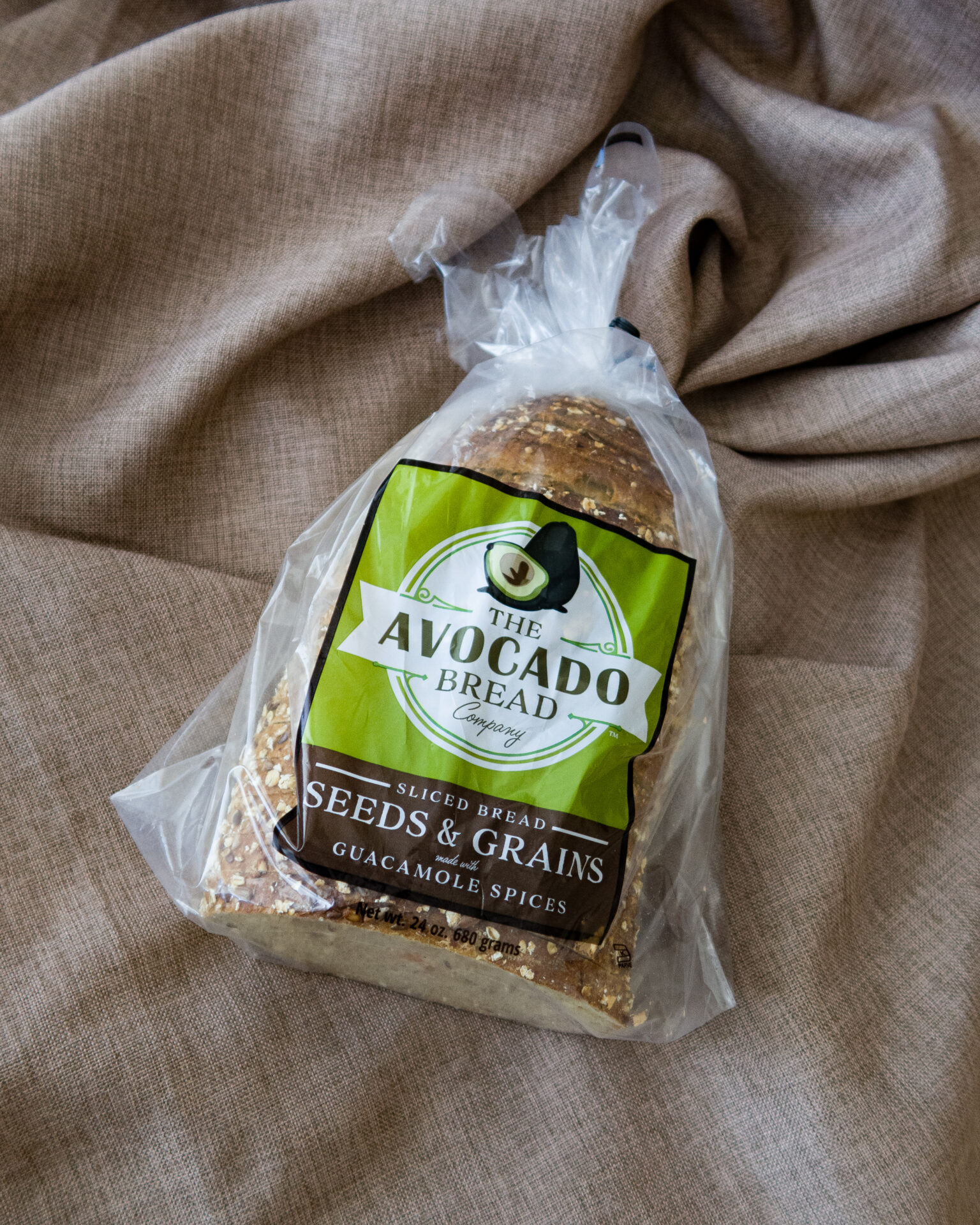

Sliced Bread Seeds & Grains Guacamole Spices
Summary
This bread contains beneficial ingredients like oat flakes, avocado pulp, and flax seeds, which provide healthy fats and fiber. However, it is heavily processed, containing refined enriched wheat flour and soybean oil, which are less desirable due to their high processing and potential inflammatory effects. The presence of additives like xanthan gum and citric acid further contributes to its high processing level, limiting its overall healthiness despite some nutritious components.
At a glance
Key ingredients 11
Enriched Wheat FlourBad
Enriched wheat flour is refined and lacks the fiber and nutrients found in whole grains. It is often fortified with synthetic vitamins to compensate for nutrient loss during processing. This ingredient can contribute to blood sugar spikes and lacks the health benefits of whole grains.
Risks
May contribute to blood sugar spikes and lacks fiber, which is essential for digestive health.
Benefits
Provides a source of carbohydrates and some essential vitamins due to fortification.
Oat FlakesGood
Oat flakes are a whole grain rich in fiber, particularly beta-glucan, which supports heart health. They are minimally processed and retain most of their nutrients. Oats can help lower cholesterol levels and improve digestive health.
Benefits
Rich in fiber and beta-glucan, which can help lower cholesterol and support heart health.
HASS Avocado PulpVery Good
HASS avocado pulp is a source of healthy monounsaturated fats and essential nutrients like potassium and vitamin E. It is minimally processed and retains its natural health benefits. Avocados support heart health and provide anti-inflammatory properties.
Benefits
Rich in monounsaturated fats and nutrients that support heart health and provide anti-inflammatory benefits.
Flax SeedsVery Good
Flax seeds are a rich source of omega-3 fatty acids, fiber, and lignans, which have antioxidant properties. They are minimally processed and provide numerous health benefits. Flax seeds can support heart health and improve digestive function.
Benefits
Rich in omega-3 fatty acids and fiber, supporting heart health and digestion.
Sunflower SeedsGood
Sunflower seeds are a good source of healthy fats, protein, and vitamin E. They are minimally processed and provide essential nutrients. Sunflower seeds can support skin health and provide antioxidant benefits.
Benefits
Provide healthy fats and vitamin E, supporting skin health and offering antioxidant benefits.
Wheat BranGood
Wheat bran is high in fiber and essential nutrients, supporting digestive health. It is a byproduct of wheat milling but retains significant nutritional value. Wheat bran can aid in regular bowel movements and improve gut health.
Benefits
High in fiber, supporting digestive health and regular bowel movements.
Soybean OilVery Bad
Soybean oil is a seed oil high in omega-6 fatty acids, which can promote inflammation when consumed in excess. It is highly processed and often extracted using chemical solvents. The high omega-6 content can disrupt the omega-3 to omega-6 balance in the diet.
Risks
High omega-6 content may promote inflammation and disrupt the omega-3 to omega-6 balance.
Sesame SeedGood
Sesame seeds are a good source of healthy fats, protein, and minerals like calcium and magnesium. They are minimally processed and provide essential nutrients. Sesame seeds can support bone health and provide antioxidant benefits.
Benefits
Provide healthy fats and minerals, supporting bone health and offering antioxidant benefits.
Xanthan GumNeutral
Xanthan gum is a common food additive used as a thickener and stabilizer. It is produced through fermentation and is generally considered safe in small amounts. Xanthan gum can improve texture and stability in food products.
Risks
Excessive consumption may cause digestive discomfort in sensitive individuals.
Benefits
Improves texture and stability in food products.
Ascorbic AcidGood
Ascorbic acid, also known as vitamin C, is an essential nutrient and antioxidant. It is often added to foods to enhance nutritional value and prevent oxidation. Vitamin C supports immune function and skin health.
Benefits
Essential nutrient that supports immune function and acts as an antioxidant.
Citric AcidNeutral
Citric acid is a natural preservative and flavor enhancer commonly used in food products. It is generally recognized as safe and is used to add acidity and preserve freshness. Citric acid can enhance flavor and extend shelf life.
Benefits
Enhances flavor and preserves freshness in food products.
Processing
Ultra-Processed Foods
Get the full breakdown in the Scout app
Scan any product to see lab results, healthy alternatives, and your personalized analysis.
Download on theApp Store