
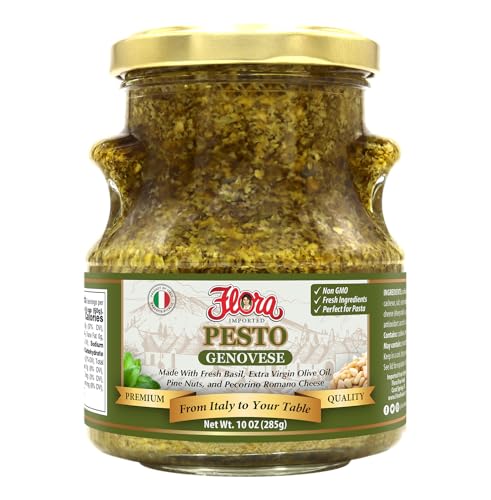


PESTO GENOVESE
Summary
This pesto contains beneficial ingredients like basil, extra virgin olive oil, and nuts, which provide healthy fats and antioxidants. However, the presence of sunflower oil, a seed oil high in omega-6 fatty acids, and fructose, a simple sugar, detracts from its overall healthiness. Additionally, the product is highly processed, which limits its score despite the presence of some high-quality ingredients.
At a glance
Key ingredients 12
BasilVery Good
Basil is a fresh herb rich in antioxidants and essential oils. It provides anti-inflammatory and antibacterial properties. Its natural compounds can support immune health and improve digestion.
Benefits
Rich in antioxidants and essential oils that support immune health and digestion.
Sunflower oilVery Bad
Sunflower oil is a seed oil high in omega-6 fatty acids, which can promote inflammation. It is often extracted using high heat and chemicals, which may degrade its nutritional quality. Compared to other oils, it lacks beneficial monounsaturated fats.
Risks
High omega-6 content may promote inflammation when consumed in excess.
Cashew nutsGood
Cashew nuts are a good source of healthy fats, protein, and essential minerals like magnesium and zinc. They provide beneficial monounsaturated fats that support heart health. Their nutrient profile supports bone health and immune function.
Risks
Potential allergen for individuals with nut allergies.
Benefits
Rich in healthy fats, protein, and essential minerals that support heart and bone health.
Grana Padano cheeseGood
Grana Padano cheese is a hard cheese rich in protein and calcium. It contains beneficial probiotics that support gut health. The cheese is aged, enhancing its flavor and digestibility.
Risks
Contains lysozyme from egg, which may be an allergen for some individuals.
Benefits
Rich in protein, calcium, and probiotics that support bone and gut health.
Pecorino cheeseGood
Pecorino cheese is made from sheep's milk, providing a rich source of protein and calcium. It contains beneficial fats and vitamins that support bone health. The cheese's unique flavor profile enhances culinary dishes.
Risks
Potential allergen for individuals sensitive to dairy.
Benefits
Rich in protein, calcium, and beneficial fats that support bone health.
FructoseBad
Fructose is a simple sugar that can contribute to metabolic issues when consumed in excess. It is often used as a sweetener in processed foods. Unlike glucose, fructose is metabolized in the liver, which can lead to fat accumulation.
Risks
Excessive consumption may lead to metabolic issues and liver fat accumulation.
SaltNeutral
Salt is used to enhance flavor and preserve food. It is essential for maintaining fluid balance and nerve function. However, excessive intake can lead to hypertension.
Risks
Excessive intake may lead to hypertension and cardiovascular issues.
Benefits
Essential for maintaining fluid balance and nerve function.
Extra virgin olive oilVery Good
Extra virgin olive oil is a high-quality monounsaturated fat with anti-inflammatory properties. It contains antioxidants that support heart health. Cold-pressed extraction preserves beneficial compounds.
Benefits
Rich in monounsaturated fats that support heart health and provide anti-inflammatory properties.
Pine nutsGood
Pine nuts are a source of healthy fats, protein, and essential nutrients like magnesium and vitamin E. They support heart health and provide antioxidant benefits. Their unique flavor enhances culinary dishes.
Risks
Potential allergen for individuals with nut allergies.
Benefits
Rich in healthy fats, protein, and antioxidants that support heart health.
GarlicVery Good
Garlic is known for its antimicrobial and anti-inflammatory properties. It contains allicin, which supports cardiovascular health. Regular consumption may boost immune function and reduce blood pressure.
Benefits
Contains allicin, which supports cardiovascular health and boosts immune function.
Lactic acidNeutral
Lactic acid is used as an acidity regulator in foods. It is naturally occurring and generally recognized as safe. It can enhance flavor and preserve food quality.
Benefits
Enhances flavor and preserves food quality.
Ascorbic acidNeutral
Ascorbic acid, also known as vitamin C, is used as an antioxidant in foods. It helps preserve color and flavor in processed foods. While beneficial as a vitamin, its use here is primarily for preservation.
Benefits
Helps preserve color and flavor in processed foods.
Processing
Ultra-Processed Foods
Get the full breakdown in the Scout app
Scan any product to see lab results, healthy alternatives, and your personalized analysis.
Download on theApp Store