
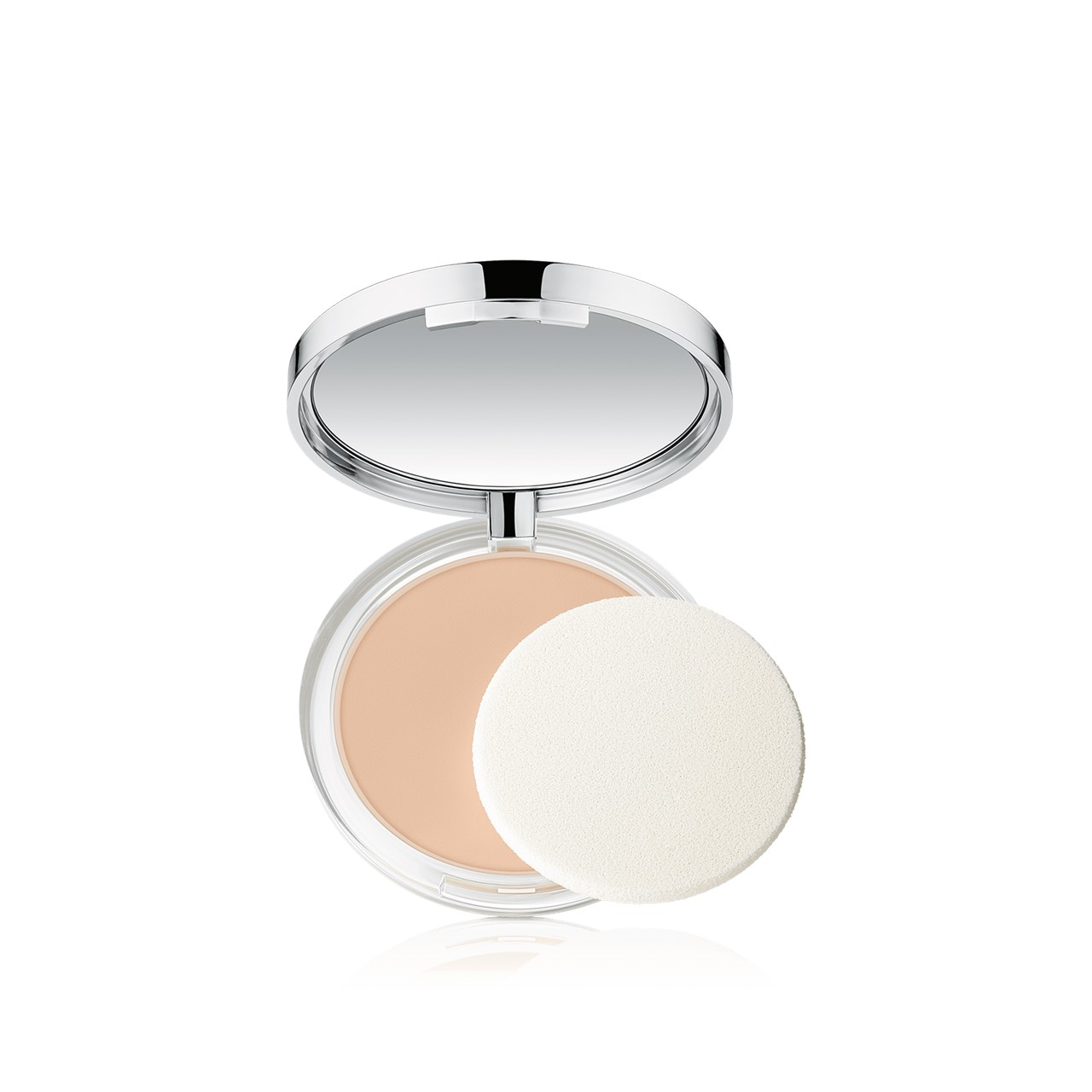



Clinique Almost Powder Makeup SPF 15 No. 02 Neutral Fair 0.35 oz
Analysis updated September 2026 · How Scout scores
At a glance
Summary
This product contains beneficial ingredients like squalane, glycerin, and sodium hyaluronate, which provide moisturizing and antioxidant benefits. However, it also includes talc, which poses potential contamination risks, and ethylhexyl methoxycinnamate, a chemical UV filter with potential endocrine-disrupting effects. The presence of nylon-12, a microplastic, further impacts its environmental profile negatively.
Key ingredients 31
SqualaneVery Good
Squalane is a highly effective emollient and natural antioxidant. It is derived from plants and mimics the skin's natural oils. It is non-comedogenic and helps to moisturize and protect the skin.
Risks
Generally considered safe with minimal risks.
Benefits
Moisturizes and protects the skin, improving its texture and appearance.
TocopherolVery Good
Tocopherol, also known as Vitamin E, is used for its antioxidant properties. It is generally considered safe and helps to protect the skin from free radical damage. It improves skin health and enhances product performance.
Risks
Generally considered safe with minimal risks.
Benefits
Protects the skin from free radical damage, improving its health and appearance.
Ascorbyl TetraisopalmitateVery Good
Ascorbyl Tetraisopalmitate is a stable form of Vitamin C used for its antioxidant properties. It is generally considered safe and helps to brighten the skin and reduce signs of aging. It improves skin health and enhances product performance.
Risks
Generally considered safe with minimal risks.
Benefits
Brightens the skin and reduces signs of aging, improving skin health.
MicaGood
Beneficial ingredient — whole-food or functional value in this product class.
Risks
Inhalation of fine particles can pose respiratory risks.
Benefits
Provides a shimmering effect and enhances product appearance.
Iron Oxides (Ci 77491)Good
Beneficial ingredient — whole-food or functional value in this product class.
Risks
Minimal known risks in cosmetic use.
Benefits
Provides stable and non-reactive color in makeup.
Iron Oxides (Ci 77492)Good
Beneficial ingredient — whole-food or functional value in this product class.
Risks
Minimal known risks in cosmetic use.
Benefits
Provides stable and non-reactive color in makeup.
Iron Oxides (Ci 77499)Good
Beneficial ingredient — whole-food or functional value in this product class.
Risks
Minimal known risks in cosmetic use.
Benefits
Provides stable and non-reactive color in makeup.
GlycerinGood
Glycerin is a humectant used for its moisturizing properties. It is generally considered safe and helps to attract moisture to the skin. It improves skin hydration and enhances product performance.
Risks
Generally considered safe with minimal risks.
Benefits
Moisturizes and hydrates the skin, improving its texture and appearance.
Sodium HyaluronateGood
Sodium Hyaluronate is a form of hyaluronic acid used for its hydrating properties. It is generally considered safe and helps to retain moisture in the skin. It improves skin elasticity and reduces the appearance of fine lines.
Risks
Generally considered safe with minimal risks.
Benefits
Hydrates and plumps the skin, improving its texture and appearance.
Titanium DioxideNeutral
Titanium Dioxide is used as a pigment and UV filter in cosmetics. It is generally considered safe but can pose inhalation risks in powder form. Its safety is debated when used in nanoparticle form.
Risks
Inhalation of fine particles can pose respiratory risks.
Benefits
Provides UV protection and acts as a whitening agent.
SilicaNeutral
Silica is used as an absorbent and anti-caking agent in cosmetics. It is generally considered safe but can pose inhalation risks in powder form. It helps to improve the texture and longevity of products.
Risks
Inhalation of fine particles can pose respiratory risks.
Benefits
Improves texture and prevents caking in cosmetic formulations.
Boron NitrideNeutral
Boron Nitride is used for its lubricating and light-diffusing properties. It is generally considered safe and helps to improve the feel and appearance of cosmetics. It provides a silky texture and enhances product performance.
Risks
Minimal known risks in cosmetic use.
Benefits
Improves texture and provides a soft-focus effect in makeup.
Vinyl Dimethicone/Methicone Silsesquioxane CrosspolymerNeutral
This ingredient is used for its film-forming and texture-enhancing properties. It is generally considered safe and helps to improve the feel and performance of cosmetics. It provides a smooth application and enhances product longevity.
Risks
Minimal known risks in cosmetic use.
Benefits
Improves texture and provides a long-lasting finish in makeup.
Cetyl EthylhexanoateNeutral
Cetyl Ethylhexanoate is an emollient used for its skin-softening properties. It is generally considered safe and helps to improve the texture and spreadability of products. It provides a silky feel and enhances product performance.
Risks
Minimal known risks in cosmetic use.
Benefits
Softens the skin and improves product texture and spreadability.
Diisostearyl MalateNeutral
Diisostearyl Malate is used as an emollient and texture enhancer in cosmetics. It is generally considered safe and helps to improve the feel and application of products. It provides a smooth and silky texture.
Risks
Minimal known risks in cosmetic use.
Benefits
Enhances texture and provides a smooth application in makeup.
Phytosteryl/Isostearyl/Cetyl/Stearyl/Behenyl Dimer DilinoleateNeutral
This complex ingredient is used for its emollient and conditioning properties. It is generally considered safe and helps to improve the texture and feel of cosmetics. It provides a moisturizing effect and enhances product performance.
Risks
Minimal known risks in cosmetic use.
Benefits
Conditions and moisturizes the skin, improving product texture.
MethiconeNeutral
Methicone is a silicone-based compound used for its smoothing properties. It is generally considered safe and helps to improve the texture and application of cosmetics. It provides a silky feel and enhances product performance.
Risks
Minimal known risks in cosmetic use.
Benefits
Improves texture and provides a smooth application in makeup.
Tin OxideNeutral
Tin Oxide is used as an opacifying agent and pigment in cosmetics. It is generally considered safe and helps to improve the appearance and texture of products. It provides a pearlescent effect and enhances product performance.
Risks
Minimal known risks in cosmetic use.
Benefits
Enhances appearance and provides a pearlescent effect in makeup.
Sodium DehydroacetateNeutral
Sodium Dehydroacetate is used as a preservative in cosmetics. It is generally considered safe and helps to prevent microbial growth in products. It extends the shelf life and maintains product integrity.
Risks
Minimal known risks in cosmetic use.
Benefits
Prevents microbial growth and extends product shelf life.
Magnesium Palmitoyl GlutamateNeutral
Magnesium Palmitoyl Glutamate is used for its conditioning properties in cosmetics. It is generally considered safe and helps to improve the texture and feel of products. It provides a moisturizing effect and enhances product performance.
Risks
Minimal known risks in cosmetic use.
Benefits
Conditions and moisturizes the skin, improving product texture.
Sodium Palmitoyl SarcosinateNeutral
Sodium Palmitoyl Sarcosinate is used as a surfactant and conditioning agent in cosmetics. It is generally considered safe and helps to improve the texture and feel of products. It provides a cleansing effect and enhances product performance.
Risks
Minimal known risks in cosmetic use.
Benefits
Cleanses and conditions the skin, improving product texture.
Palmitoyl ProlineNeutral
Palmitoyl Proline is used for its conditioning properties in cosmetics. It is generally considered safe and helps to improve the texture and feel of products. It provides a moisturizing effect and enhances product performance.
Risks
Minimal known risks in cosmetic use.
Benefits
Conditions and moisturizes the skin, improving product texture.
AluminaNeutral
Alumina is used as an abrasive and thickening agent in cosmetics. It is generally considered safe and helps to improve the texture and feel of products. It provides a smooth application and enhances product performance.
Risks
Minimal known risks in cosmetic use.
Benefits
Improves texture and provides a smooth application in makeup.
Palmitic AcidNeutral
Palmitic Acid is used as an emollient and surfactant in cosmetics. It is generally considered safe and helps to improve the texture and feel of products. It provides a moisturizing effect and enhances product performance.
Risks
Minimal known risks in cosmetic use.
Benefits
Moisturizes and conditions the skin, improving product texture.
1,2-HexanediolNeutral
1,2-Hexanediol is used as a solvent and preservative in cosmetics. It is generally considered safe and helps to improve the texture and stability of products. It provides a moisturizing effect and enhances product performance.
Risks
Minimal known risks in cosmetic use.
Benefits
Improves texture and stability, providing a moisturizing effect.
Hydrated SilicaNeutral
Hydrated Silica is used as an abrasive and thickening agent in cosmetics. It is generally considered safe and helps to improve the texture and feel of products. It provides a smooth application and enhances product performance.
Risks
Minimal known risks in cosmetic use.
Benefits
Improves texture and provides a smooth application in makeup.
Aluminum HydroxideNeutral
Aluminum Hydroxide is used as an opacifying agent and skin protectant in cosmetics. It is generally considered safe and helps to improve the texture and appearance of products. It provides a protective barrier and enhances product performance.
Risks
Minimal known risks in cosmetic use.
Benefits
Protects the skin and improves product texture and appearance.
DimethiconeBad
Occlusive silicone film-former — flagged under clean-beauty doctrine.
Risks
May cause buildup on the skin, leading to potential irritation.
Benefits
Improves product texture and provides a smooth application.
Nylon-12Bad
Nylon-12 is a synthetic polymer used for its texture-enhancing properties. It is considered a microplastic, which raises environmental concerns. Its use in cosmetics is controversial due to its persistence in the environment.
Risks
Contributes to microplastic pollution, which is harmful to the environment.
Benefits
Enhances the texture and feel of cosmetic products.
TalcVery Bad
Talc is a mineral used for its absorbent properties in cosmetics. However, it is heavily penalized due to potential contamination with asbestos, a known carcinogen. Its use in cosmetics is controversial and poses health risks.
Risks
Potential contamination with asbestos, which is a carcinogen.
Benefits
Provides a smooth texture and absorbent properties in makeup.
Ethylhexyl MethoxycinnamateVery Bad
Ethylhexyl Methoxycinnamate is a chemical UV filter used in sunscreens. It is known to be a potential endocrine disruptor and can cause skin irritation. Its safety is debated due to potential hormonal effects.
Risks
Potential endocrine disruption and skin irritation.
Benefits
Provides UV protection in cosmetic products.
Get the full breakdown in the Scout appTake Scout shopping
Scan any product to see lab results, healthy alternatives, and your personalized analysis.
Download on theApp Store GET IT ONGoogle Play