
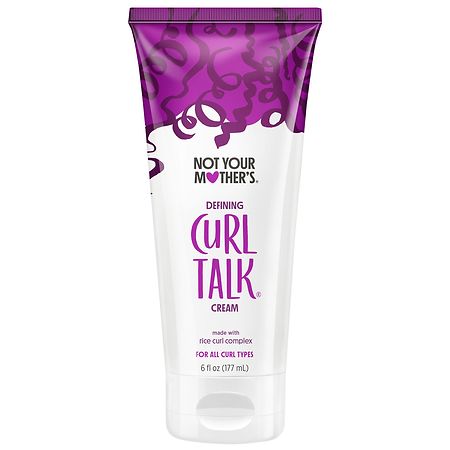
Not Your Mother's Curl Talk Defining Curl Cream - 6 fl oz: Moisturizing, Conditioning, All Hair Types, Paraben-Free
Analysis updated August 2026 · How Scout scores
At a glance
Summary
This curl cream contains beneficial ingredients like shea butter ethyl esters and keratin amino acids, which provide moisturizing and strengthening properties. However, the presence of polyacrylamide, which can break down into a potential carcinogen, and phenoxyethanol, a controversial preservative, raises concerns. Additionally, the inclusion of undisclosed fragrance compounds can lead to skin irritation and allergic reactions, impacting the overall safety profile.
Key ingredients 21
Shea Butter Ethyl EstersVery Good
Shea Butter Ethyl Esters are derived from shea butter and provide moisturizing properties. They are beneficial for skin and hair hydration. They are considered safe and effective in cosmetics.
Risks
There are no significant risks associated with this ingredient.
Benefits
Provides excellent moisturizing and conditioning benefits.
Keratin Amino AcidsVery Good
Keratin Amino Acids are derived from keratin and help strengthen and repair hair. They are beneficial for improving hair health and resilience. They are considered safe and effective in hair care products.
Risks
There are no significant risks associated with this ingredient.
Benefits
Strengthens and repairs hair, improving its health and resilience.
Oryza Sativa (Rice) ExtractGood
Rice extract is known for its antioxidant and soothing properties. It helps protect the skin and hair from environmental damage. It is considered a beneficial ingredient in cosmetics.
Risks
There are no significant risks associated with this ingredient.
Benefits
Provides antioxidant protection and soothes the skin and hair.
Lactobacillus/Tomato Fruit Ferment ExtractGood
This extract is known for its probiotic and antioxidant properties. It helps improve skin and hair health by balancing the microbiome. It is considered a beneficial ingredient in cosmetics.
Risks
There are no significant risks associated with this ingredient.
Benefits
Balances the microbiome and provides antioxidant protection.
Leuconostoc/Radish Root Ferment FiltrateGood
This filtrate is used for its antimicrobial and moisturizing properties. It helps preserve the product and improve skin and hair hydration. It is considered a beneficial ingredient in cosmetics.
Risks
There are no significant risks associated with this ingredient.
Benefits
Provides antimicrobial protection and enhances hydration.
Water (Aqua) (Eau)Neutral
Water is a common solvent used in cosmetic formulations. It helps dissolve other ingredients and provides a base for the product. It does not have direct benefits or risks.
Risks
There are no significant risks associated with water in cosmetics.
Benefits
Water acts as a solvent and helps in the application of the product.
C13-14 IsoalkaneNeutral
C13-14 Isoalkane is used as an emollient and solvent in cosmetics. It helps to improve the texture and spreadability of the product. It is generally considered safe for use in cosmetics.
Risks
There are minimal risks associated with its use in cosmetics.
Benefits
It enhances the texture and application of the product.
Polyquaternium-10Neutral
Polyquaternium-10 is a conditioning agent that helps improve hair texture and manageability. It is commonly used in hair care products. It is generally considered safe for use.
Risks
There are minimal risks associated with its use in cosmetics.
Benefits
Improves hair texture and manageability.
Acyl Coenzyme A DesaturaseNeutral
Acyl Coenzyme A Desaturase is an enzyme involved in lipid metabolism. Its specific role in cosmetics is not well-defined. It is generally considered safe for use.
Risks
There are minimal risks associated with its use in cosmetics.
Benefits
Potentially involved in lipid metabolism, but benefits in cosmetics are unclear.
PG-Hydroxyethylcellulose Cocodimonium ChlorideNeutral
This ingredient is used as a conditioning agent in hair care products. It helps improve hair texture and manageability. It is generally considered safe for use.
Risks
There are minimal risks associated with its use in cosmetics.
Benefits
Improves hair texture and manageability.
Laureth-7Neutral
Laureth-7 is used as an emulsifier and surfactant in cosmetics. It helps blend ingredients and improve product texture. It is generally considered safe for use.
Risks
There are minimal risks associated with its use in cosmetics.
Benefits
Enhances product texture and emulsification.
Citric AcidNeutral
Citric acid is used to adjust the pH of cosmetic products. It helps maintain product stability and effectiveness. It is generally considered safe for use.
Risks
There are minimal risks associated with its use in cosmetics.
Benefits
Adjusts pH and maintains product stability.
EthylhexylglycerinNeutral
Ethylhexylglycerin is used as a preservative and skin conditioning agent. It helps enhance the efficacy of other preservatives. It is generally considered safe for use.
Risks
There are minimal risks associated with its use in cosmetics.
Benefits
Enhances preservative efficacy and conditions the skin.
HydroxycitronellalNeutral
Hydroxycitronellal is a fragrance component used for its floral scent. It can cause allergic reactions in sensitive individuals. It is generally considered safe for use in cosmetics.
Risks
Potential for allergic reactions in sensitive individuals.
Benefits
Provides a pleasant floral scent.
CitronellolNeutral
Citronellol is a fragrance component with a rose-like scent. It can cause allergic reactions in sensitive individuals. It is generally considered safe for use in cosmetics.
Risks
Potential for allergic reactions in sensitive individuals.
Benefits
Provides a pleasant rose-like scent.
Disodium EDTABad
Processed additive flagged under Scout's ingredient doctrine.
Risks
There are minimal risks associated with its use in cosmetics.
Benefits
Stabilizes formulations by binding metal ions.
PhenoxyethanolBad
Phenoxyethanol is a preservative used to prevent microbial growth in cosmetics. It can cause skin irritation and allergic reactions in some individuals. Its use is controversial due to potential health concerns.
Risks
Potential for skin irritation and allergic reactions.
Benefits
Prevents microbial growth and extends product shelf life.
LinaloolBad
Processed additive flagged under Scout's ingredient doctrine.
Risks
Potential for allergic reactions in sensitive individuals.
Benefits
Provides a pleasant floral scent.
LimoneneBad
Processed additive flagged under Scout's ingredient doctrine.
Risks
Potential for skin irritation and allergic reactions.
Benefits
Provides a fresh citrus scent.
PolyacrylamideVery Bad
Polyacrylamide is used as a thickener and stabilizer in cosmetics. It can break down into acrylamide, a potential carcinogen. Its use is controversial due to health concerns.
Risks
Potential contamination with acrylamide, a known carcinogen, poses health risks.
Benefits
It provides texture and stability to the product.
Fragrance (Parfum)Very Bad
Fragrance is used to impart scent to cosmetic products. It can cause allergic reactions and skin irritation in sensitive individuals. Its composition is often undisclosed, leading to potential health concerns.
Risks
Potential for allergic reactions and skin irritation.
Benefits
Provides a pleasant scent to the product.
Get the full breakdown in the Scout appTake Scout shopping
Scan any product to see lab results, healthy alternatives, and your personalized analysis.
Download on theApp Store GET IT ONGoogle PlayAmazon pricing & content
Amazon price as of . Product prices and availability are accurate as of the date/time indicated and are subject to change. Any price and availability information displayed on Amazon.com at the time of purchase will apply to the purchase of this product.
CERTAIN CONTENT THAT APPEARS ON THIS SITE COMES FROM AMAZON. THIS CONTENT IS PROVIDED “AS IS” AND IS SUBJECT TO CHANGE OR REMOVAL AT ANY TIME.