
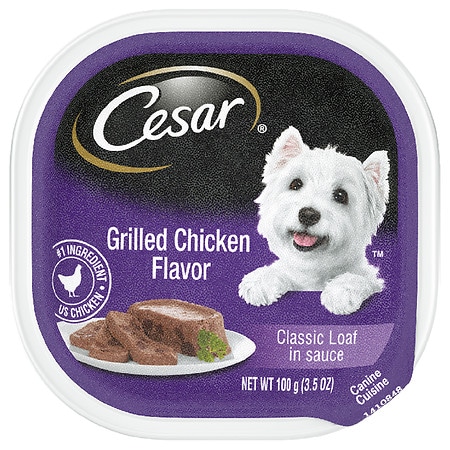
Cesar Classic Loaf in Sauce Grilled Chicken and Gravy Flavor Small Breed Wet Dog Food - 3.5oz
Analysis updated August 2026 · How Scout scores
At a glance
Summary
This pet food contains high-quality protein sources like chicken and beef lung, which are beneficial for muscle maintenance and overall nutrition. However, the presence of synthetic additives such as sodium tripolyphosphate and carrageenan, which are used for preservation and texture, detracts from its overall quality. While the product is minimally processed, these additives prevent it from achieving a higher score.
Key ingredients 15
ChickenVery Good
Chicken is a high-quality source of protein that supports muscle maintenance and growth. It is minimally processed and provides essential amino acids. As a primary ingredient, it contributes to the overall nutritional value of the product.
Benefits
Rich in protein and essential amino acids, supporting muscle health and overall nutrition.
Beef LungGood
Beef lung is a nutrient-dense organ meat providing protein and essential vitamins. It is a natural source of iron and B vitamins. Its inclusion enhances the nutritional profile of the food.
Benefits
Provides protein, iron, and B vitamins, supporting energy metabolism and overall health.
Chicken LiverGood
Chicken liver is rich in vitamins A, B, and iron, supporting various bodily functions. It is a nutrient-dense organ meat that enhances the nutritional content of the food. Its inclusion is beneficial for maintaining healthy vision and immune function.
Risks
Excessive consumption may lead to vitamin A toxicity, but this is unlikely in balanced formulations.
Benefits
Rich in essential vitamins and minerals, supporting vision, immune function, and overall health.
Chicken BrothGood
Chicken broth adds flavor and moisture while providing some nutrients. It is a natural ingredient that enhances palatability. Its inclusion helps maintain hydration and supports digestion.
Benefits
Enhances flavor and palatability, supports hydration and digestion.
Dried YamGood
Dried yam is a source of carbohydrates and dietary fiber, supporting digestive health. It provides vitamins and minerals, contributing to a balanced diet. Its inclusion adds nutritional variety to the product.
Benefits
Provides carbohydrates and fiber, supporting digestive health and energy levels.
Pork By-ProductsNeutral
Pork by-products are a source of protein and nutrients but vary in quality. They are commonly used in pet foods to provide essential nutrients. The quality depends on the specific parts used and processing methods.
Risks
Potential for variable quality and nutritional content depending on the source.
Benefits
Provides protein and nutrients, contributing to overall dietary needs.
Calcium CarbonateNeutral
Calcium carbonate is used as a calcium supplement to support bone health. It is a common additive in pet foods to ensure adequate calcium intake. Its inclusion helps maintain strong bones and teeth.
Risks
Excessive intake may lead to calcium imbalance, but this is unlikely in balanced formulations.
Benefits
Supports bone health by providing essential calcium.
Potassium ChlorideNeutral
Potassium chloride is used to provide potassium, an essential electrolyte. It helps maintain fluid balance and supports nerve function. Its inclusion ensures adequate potassium intake in the diet.
Risks
Excessive intake may lead to electrolyte imbalance, but this is unlikely in balanced formulations.
Benefits
Supports fluid balance and nerve function by providing essential potassium.
Xanthan GumNeutral
Xanthan gum is used as a thickening agent in pet foods. It is a polysaccharide that helps stabilize and improve texture. Its inclusion is primarily functional, with no direct nutritional benefits.
Risks
May cause digestive discomfort in some animals if consumed in large amounts.
Magnesium ProteinateNeutral
Magnesium proteinate is a chelated mineral supplement providing magnesium. It supports muscle and nerve function and is more bioavailable than inorganic forms. Its inclusion helps ensure adequate magnesium intake.
Benefits
Supports muscle and nerve function by providing bioavailable magnesium.
DL-MethionineNeutral
DL-Methionine is an essential amino acid used to support protein synthesis. It is often added to pet foods to ensure adequate intake of sulfur-containing amino acids. Its inclusion supports overall protein nutrition.
Benefits
Supports protein synthesis and overall amino acid balance.
SaltNeutral
Salt is used to enhance flavor and provide sodium, an essential electrolyte. It is a common ingredient in pet foods to ensure adequate sodium intake. Its inclusion supports fluid balance and nerve function.
Risks
Excessive intake may lead to high blood pressure or kidney issues over time.
Benefits
Supports fluid balance and nerve function by providing essential sodium.
Erythorbic AcidNeutral
Erythorbic acid is used as an antioxidant to preserve freshness. It is a synthetic form of vitamin C that helps prevent oxidation. Its inclusion is primarily functional, with limited nutritional benefits.
Benefits
Helps preserve freshness by preventing oxidation.
Sodium TripolyphosphateBad
Sodium tripolyphosphate is used as a preservative and texturizer in pet foods. It is a synthetic additive that can contribute to phosphorus load. Its use is primarily functional, with limited nutritional benefits.
Risks
Excessive phosphorus intake may affect kidney health over time.
CarrageenanBad
Carrageenan is used as a thickener and stabilizer in pet foods. It is a processed additive that may cause digestive issues in some animals. Its inclusion is primarily for texture, with no nutritional benefits.
Risks
May cause gastrointestinal inflammation or discomfort in sensitive animals.
Processing
Unprocessed or Minimally Processed Foods
Get the full breakdown in the Scout appTake Scout shopping
Scan any product to see lab results, healthy alternatives, and your personalized analysis.
Download on theApp Store GET IT ONGoogle Play