


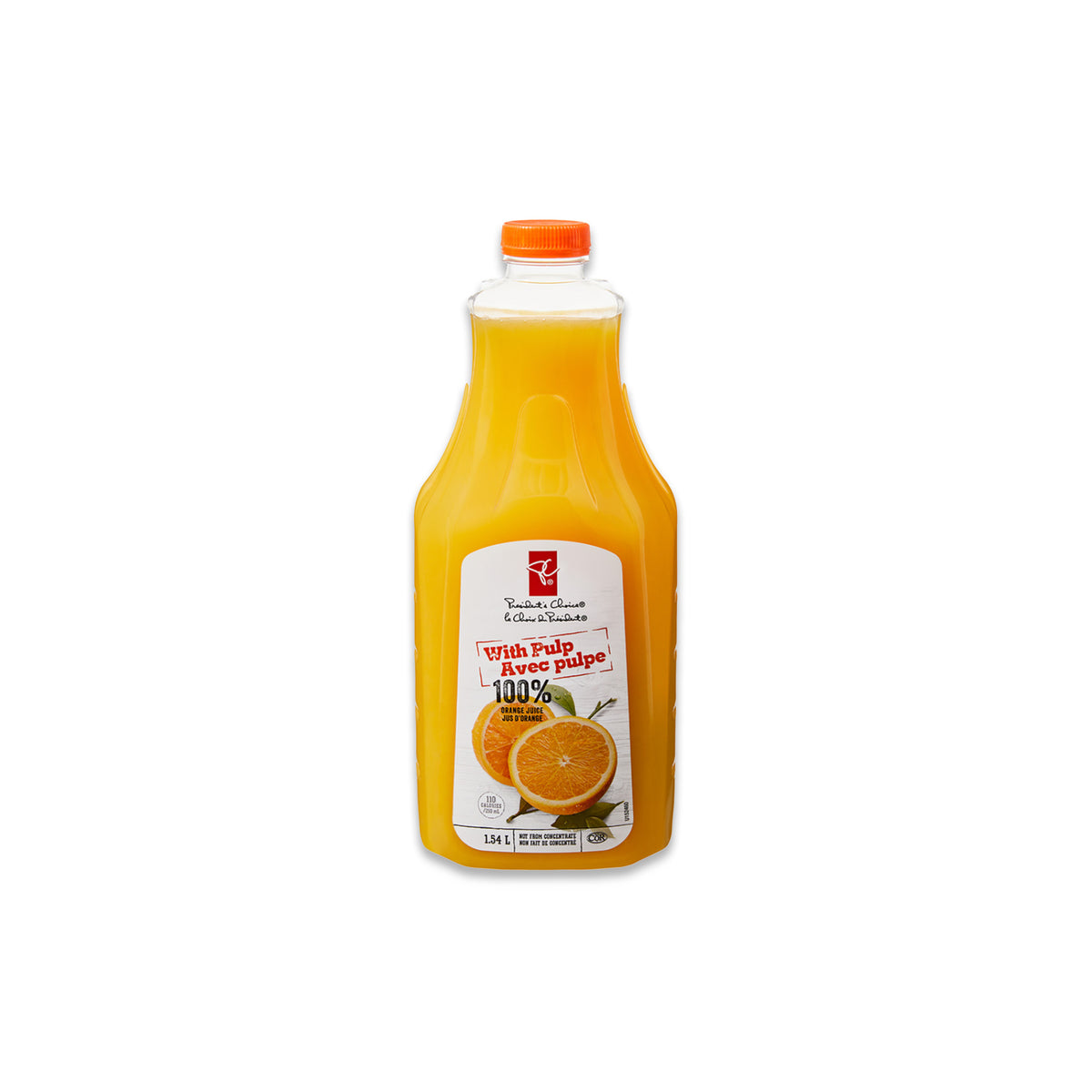


Low Acid Orange Juice
Analysis updated June 2026 · How Scout scores
At a glance
Summary
This orange juice is processed and contains natural flavors, which can be a catch-all term for various additives, leading to a lack of transparency. However, it is fortified with beneficial ingredients like calcium and vitamin C, which enhance its nutritional profile. The juice retains natural sugars from oranges, but the processing level and presence of natural flavors prevent it from scoring higher.
Key ingredients 6
Reduced Acid Orange JuiceGood
This ingredient indicates a milder orange flavor, making the juice more enjoyable for those sensitive to acidity, and it is generally a positive addition for taste and digestion.
Calcium LactateGood
Calcium Lactate provides a source of calcium, which is beneficial for bone health and overall nutrition.
See more about Calcium Lactate →Vitamin C (Ascorbic Acid)Good
Vitamin C is an essential nutrient that supports immune function and skin health, making it a valuable addition to the juice.
See more about Vitamin C (Ascorbic Acid) →Calcium HydroxideNeutral
Calcium Hydroxide is used to adjust pH levels in the juice; it is considered neutral as it is commonly used in food processing without significant health concerns.
Citric AcidNeutral
Common acidulant and preservative — safe at typical use levels, neither beneficial nor harmful.
See more about Citric Acid →Natural FlavorsBad
Umbrella term that can hide dozens of undisclosed synthetic constituents.
See more about Natural Flavors →Processing
Processed Foods
Get the full breakdown in the Scout appTake Scout shopping
Scan any product to see lab results, healthy alternatives, and your personalized analysis.
Download on theApp Store GET IT ONGoogle PlayAmazon pricing & content
Amazon price as of . Product prices and availability are accurate as of the date/time indicated and are subject to change. Any price and availability information displayed on Amazon.com at the time of purchase will apply to the purchase of this product.
CERTAIN CONTENT THAT APPEARS ON THIS SITE COMES FROM AMAZON. THIS CONTENT IS PROVIDED “AS IS” AND IS SUBJECT TO CHANGE OR REMOVAL AT ANY TIME.