
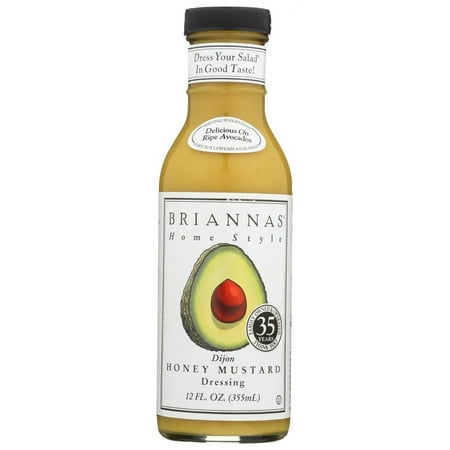
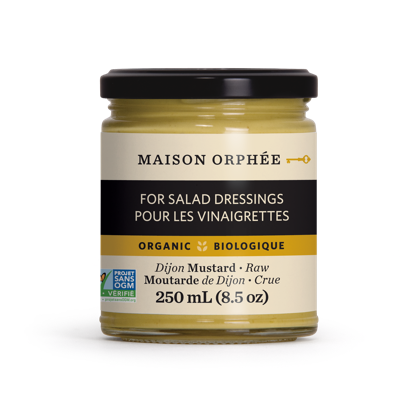
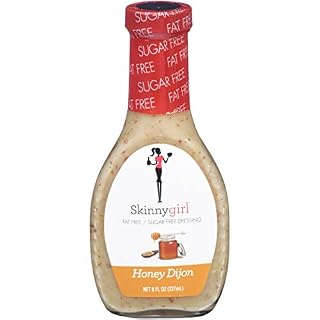


DIJON HONEY MUSTARD DRESSING
Summary
This Dijon Honey Mustard Dressing is heavily processed, containing canola oil, which is a seed oil often linked to inflammation, and added sugars that contribute to its high calorie content. The presence of multiple additives, including xanthan gum and natural flavors, further indicates a high level of processing. While honey is a beneficial ingredient, the overall ingredient quality and processing level limit its healthfulness.
At a glance
Key ingredients 15
Canola oilVery Bad
Canola oil is a seed oil high in omega-6 fatty acids, which can promote inflammation. It is often heavily processed and refined, which may involve chemical solvents. Compared to healthier oils like olive or avocado, canola oil is less beneficial.
Risks
High omega-6 content may promote inflammation when consumed in excess.
WaterNeutral
Water is a neutral ingredient used as a solvent and to adjust the consistency of the dressing. It does not contribute any nutritional value or health risks. Its presence is essential for achieving the desired texture of the product.
See more about Water →Dijon mustardNeutral
Dijon mustard provides flavor and contains vinegar, mustard seed, and spices. It is generally low in calories and can add a tangy taste to foods. The presence of acids like citric and tartaric may enhance preservation.
Risks
Contains acids that may cause irritation in sensitive individuals.
Benefits
Adds flavor without significant calories and may have mild antimicrobial properties.
HoneyGood
Honey is a natural sweetener that provides a source of simple sugars and antioxidants. It is less processed than refined sugar and can offer trace nutrients. Compared to refined sugars, honey is a more natural option.
Risks
High in sugars, which can contribute to weight gain and blood sugar spikes if consumed in excess.
Benefits
Contains antioxidants and is a natural sweetener with trace nutrients.
SugarBad
Sugar is a refined sweetener that contributes to the calorie content without providing essential nutrients. Excessive consumption is linked to various health issues, including obesity and diabetes. It is less favorable compared to natural sweeteners like honey.
Risks
Can contribute to obesity, diabetes, and other metabolic disorders when consumed in excess.
White vinegarNeutral
White vinegar is used for its acidic properties, which can enhance flavor and act as a preservative. It is a common ingredient in dressings and sauces. It does not provide significant nutritional value but is effective in food preservation.
Risks
May cause irritation in individuals with sensitive stomachs.
Benefits
Acts as a preservative and flavor enhancer.
Apple cider vinegarNeutral
Apple cider vinegar is known for its tangy flavor and potential health benefits, such as aiding digestion. It is less processed than white vinegar and may contain beneficial compounds. However, its presence in small amounts limits its health impact.
Risks
Excessive consumption may lead to digestive discomfort.
Benefits
May aid digestion and provide a unique flavor profile.
White onion powderNeutral
White onion powder is used for flavoring and is derived from dehydrated onions. It provides a concentrated onion flavor without the moisture content. It does not offer significant nutritional benefits in small quantities.
Benefits
Adds flavor without adding moisture.
SaltNeutral
Salt is used to enhance flavor and as a preservative. It is essential for taste but should be consumed in moderation to avoid health issues. Excessive salt intake is linked to hypertension.
Risks
High intake can lead to hypertension and cardiovascular issues.
Benefits
Enhances flavor and acts as a preservative.
Modified tapioca starchNeutral
Modified tapioca starch is used as a thickening agent to improve texture. It is derived from cassava and is generally considered safe. It does not provide significant nutritional value.
Benefits
Improves texture and consistency of the product.
TurmericNeutral
Turmeric is used for color and may provide anti-inflammatory properties due to curcumin. It is a natural ingredient but is present in small amounts. Its health benefits are limited in this context.
Benefits
May provide anti-inflammatory properties and natural coloring.
Mustard flourNeutral
Mustard flour is used for flavor and is made from ground mustard seeds. It provides a pungent taste and is a traditional ingredient in mustard products. It does not offer significant nutritional benefits in small quantities.
Benefits
Adds traditional mustard flavor.
Natural mustard flavorBad
Natural mustard flavor is a catch-all term that lacks transparency about its specific components. It may include various extracts and additives. The lack of clarity makes it less favorable compared to whole ingredients.
Risks
Lack of transparency may hide potential allergens or additives.
Xanthan gumNeutral
Xanthan gum is used as a thickening and stabilizing agent. It is produced through fermentation and is generally recognized as safe. It does not provide nutritional benefits but improves product consistency.
Risks
May cause digestive issues in sensitive individuals.
Benefits
Improves texture and stability of the product.
Mixed tocopherolsNeutral
Mixed tocopherols are used as antioxidants to preserve freshness and are a form of vitamin E. They help prevent oxidation of fats in the product. While beneficial in preserving product quality, their nutritional impact is minimal in small amounts.
Benefits
Acts as an antioxidant and helps preserve product freshness.
Processing
Ultra-Processed Foods
Get the full breakdown in the Scout app
Scan any product to see lab results, healthy alternatives, and your personalized analysis.
Download on theApp Store