
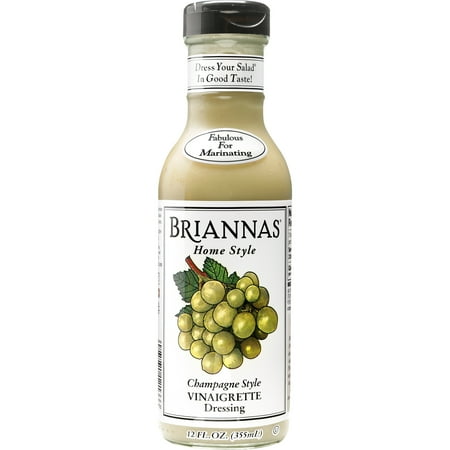

CHAMPAGNE VINAIGRETTE DRESSING
Summary
This champagne vinaigrette dressing contains canola oil, which is a highly processed seed oil that can contribute to inflammation. The product also includes several additives and a moderate amount of added sugars, which detract from its overall healthiness. Despite the presence of some natural ingredients like honey, the level of processing and the use of seed oils limit its score.
At a glance
Key ingredients 12
Canola oilVery Bad
Canola oil is a seed oil high in omega-6 fatty acids, which can promote inflammation when consumed in excess. It is often highly processed and refined, which can strip away beneficial nutrients. Compared to healthier oils like olive or avocado, canola oil is less favorable due to its processing and fatty acid profile.
Risks
High omega-6 content may promote inflammation when consumed in excess.
HoneyGood
Honey is a natural sweetener that provides antioxidants and has antibacterial properties. It is less processed than refined sugars and can offer trace nutrients. Compared to refined sugars, honey is a more natural option with additional health benefits.
Risks
Excessive consumption can contribute to high sugar intake and related health issues.
Benefits
Provides antioxidants and has antibacterial properties, making it a healthier alternative to refined sugars.
Champagne vinegarNeutral
Champagne vinegar is a mild vinegar made from fermented champagne, offering a unique flavor profile. It is low in calories and can enhance the taste of dishes without adding significant nutritional value. Compared to other vinegars, it is primarily used for its flavor rather than health benefits.
Benefits
Adds flavor to dishes with minimal calories and no significant nutritional benefits.
WaterNeutral
Water is a neutral ingredient used as a solvent and to adjust the consistency of the dressing. It does not contribute any calories or nutrients. Its primary role is functional, aiding in the mixing and texture of the product.
See more about Water →Dijon mustardNeutral
Dijon mustard is a condiment made from mustard seeds, vinegar, and spices, providing flavor and a slight tanginess. It is low in calories and can enhance the taste of foods without adding significant nutritional value. The presence of vinegar and spices can offer minor antioxidant benefits.
Risks
May contain added salt, which could be a concern for those monitoring sodium intake.
Benefits
Adds flavor and tanginess with minimal calories and potential minor antioxidant benefits.
Rice wine vinegarNeutral
Rice wine vinegar is a mild vinegar made from fermented rice, used to add acidity and flavor to dishes. It is low in calories and does not provide significant nutrients. Its primary use is culinary, enhancing the taste of foods.
Benefits
Adds flavor with minimal calories and no significant nutritional benefits.
Crushed capersNeutral
Crushed capers are pickled flower buds that add a salty, tangy flavor to dishes. They are low in calories and provide some antioxidants and vitamins. Their primary contribution is flavor enhancement rather than nutritional value.
Risks
High sodium content may be a concern for those monitoring salt intake.
Benefits
Provides antioxidants and vitamins, enhancing flavor with minimal calories.
Concentrated grape juiceNeutral
Concentrated grape juice is used as a natural sweetener and flavor enhancer, providing sugars and some antioxidants. It is more processed than whole grapes, reducing its nutritional profile. Compared to refined sugars, it offers a more natural sweetness with some additional nutrients.
Risks
High sugar content can contribute to excessive sugar intake.
Benefits
Provides natural sweetness and some antioxidants, offering a more natural alternative to refined sugars.
Garlic pureeNeutral
Garlic puree is made from blended garlic cloves, offering flavor and potential health benefits. It contains allicin, which has been linked to various health benefits, including heart health. Its primary role in the dressing is to enhance flavor.
Benefits
Contains allicin, which may support heart health and provide other health benefits.
SaltNeutral
Salt is used to enhance flavor and preserve the product, but it does not provide nutritional benefits. Excessive consumption can lead to health issues such as hypertension. Its primary role is functional, improving taste and shelf life.
Risks
Excessive intake can lead to hypertension and other health issues.
Benefits
Enhances flavor and acts as a preservative, but offers no nutritional benefits.
SpicesNeutral
Spices are used to enhance the flavor profile of the dressing, providing aroma and taste. They may offer minor health benefits due to their antioxidant properties. The specific spices used are not detailed, limiting the analysis of their individual benefits.
Benefits
May provide antioxidants and enhance flavor, but specific benefits depend on the spices used.
Mixed tocopherolsNeutral
Mixed tocopherols are a form of vitamin E used as an antioxidant to preserve freshness. They help prevent oxidation of fats, extending the shelf life of the product. While they provide some vitamin E, their primary role is functional rather than nutritional.
Benefits
Acts as an antioxidant, helping to preserve freshness and providing some vitamin E.
Processing
Processed Foods
Get the full breakdown in the Scout app
Scan any product to see lab results, healthy alternatives, and your personalized analysis.
Download on theApp Store