



At a glance
Summary
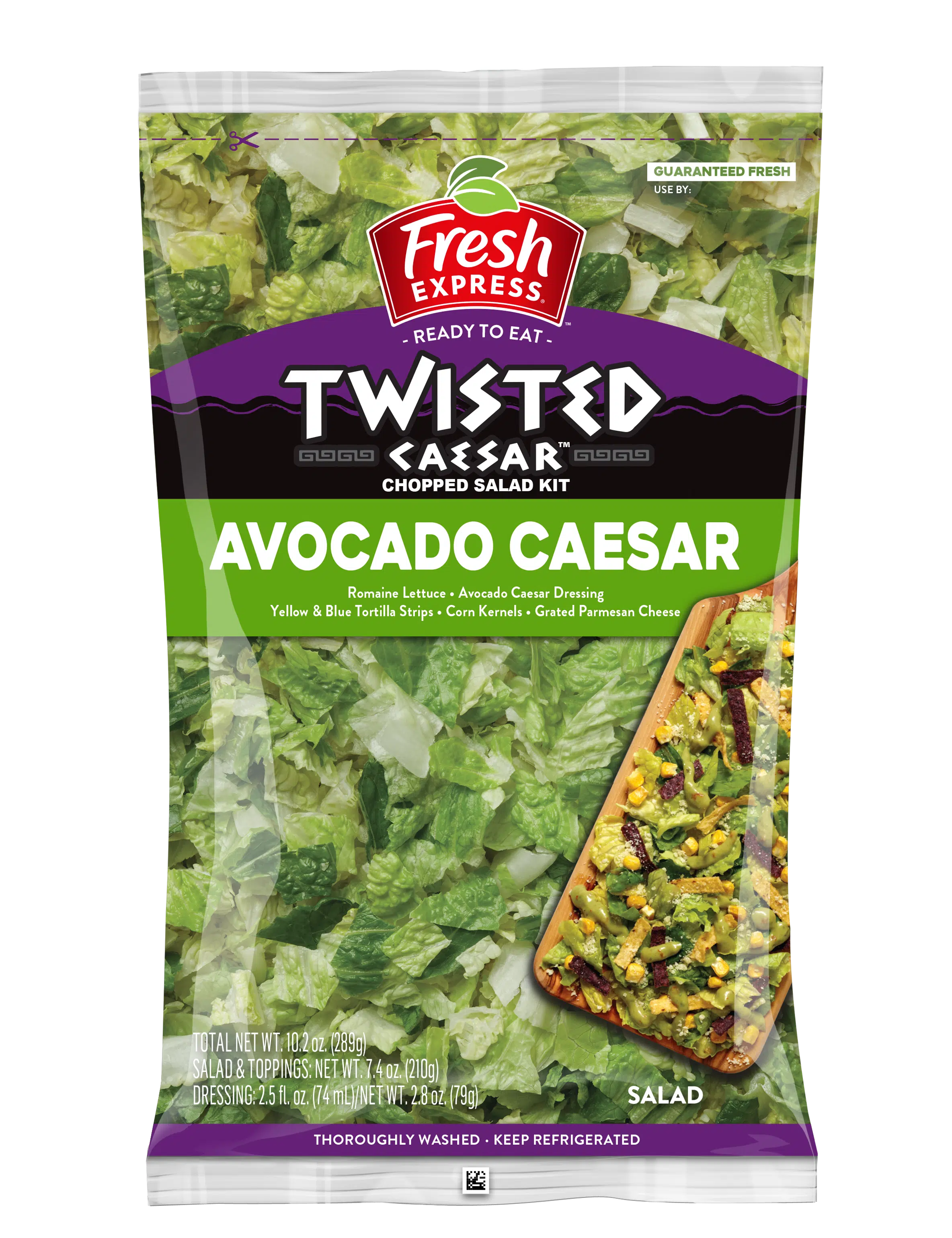
This Caesar dressing features high-quality ingredients like avocado oil, buttermilk, and parmesan, which contribute beneficial nutrients and healthy fats. The product avoids harmful seed oils and artificial additives, maintaining a clean label with minimal processing. However, the presence of xanthan gum and the processing level limit its score, despite the overall high ingredient quality.
Key ingredients 17
Avocado oilVery Good
Avocado oil is a high-quality monounsaturated fat that supports heart health. It is minimally processed and retains beneficial nutrients. Its high smoke point makes it suitable for cooking without forming harmful compounds.
Benefits
Rich in monounsaturated fats that support heart health and provide anti-inflammatory properties.
AvocadoVery Good
Avocado is a whole food rich in healthy fats, fiber, and vitamins. It is minimally processed and supports heart health. Its nutrient profile includes potassium and antioxidants.
Benefits
Provides healthy fats, fiber, and essential nutrients like potassium.
ButtermilkGood
Buttermilk is a fermented dairy product that provides probiotics and calcium. It is less processed than other dairy alternatives and supports gut health. The fermentation process enhances its digestibility.
Risks
May cause issues for individuals with lactose intolerance or dairy allergies.
Benefits
Contains probiotics that support gut health and is a good source of calcium.
ParmesanGood
Parmesan is a hard cheese rich in protein and calcium. It is aged and fermented, which enhances its flavor and digestibility. The fermentation process also contributes beneficial probiotics.
Risks
Contains lactose and may not be suitable for those with dairy allergies.
Benefits
Rich in protein and calcium, supporting bone health and muscle function.
Egg yolkGood
Egg yolk is a nutrient-dense ingredient rich in vitamins and healthy fats. It provides essential nutrients like choline and vitamin D. The fats in egg yolk are beneficial for brain health.
Risks
May pose allergy risks for some individuals.
Benefits
Rich in essential nutrients like choline, supporting brain health and development.
Dehydrated garlicGood
Dehydrated garlic retains the beneficial compounds of fresh garlic. It provides flavor and potential health benefits like immune support. The dehydration process preserves its active compounds.
Risks
May cause digestive discomfort in sensitive individuals.
Benefits
Contains compounds that may support immune function and cardiovascular health.
Ground mustardGood
Ground mustard adds flavor and potential health benefits due to its phytochemicals. It is a natural ingredient with minimal processing. Mustard seeds contain compounds that may support digestion.
Risks
May cause allergic reactions in sensitive individuals.
Benefits
Contains phytochemicals that may support digestive health.
Onion powderGood
Onion powder provides flavor and potential health benefits similar to fresh onions. It is dehydrated to preserve its active compounds. Onions contain antioxidants that may support immune health.
Risks
May cause digestive discomfort in sensitive individuals.
Benefits
Contains antioxidants that may support immune function.
SpicesGood
Spices add flavor and potential health benefits due to their antioxidant properties. They are minimally processed and enhance the culinary profile. Different spices offer various health benefits, including anti-inflammatory effects.
Benefits
Rich in antioxidants that may provide anti-inflammatory benefits.
WaterNeutral
Water is a neutral ingredient used as a solvent and to adjust consistency. It does not contribute any nutritional value. It is essential for hydration but does not impact the nutritional profile of the product.
See more about Water →Distilled vinegarNeutral
Distilled vinegar is used as a preservative and flavor enhancer. It is a simple acetic acid solution with no significant nutritional value. It helps in preserving the product by lowering pH.
Risks
Excessive consumption may lead to enamel erosion or digestive discomfort.
Red wine vinegarNeutral
Red wine vinegar is used for its tangy flavor and preservative qualities. It is made from fermented red wine and contains acetic acid. It adds flavor without significant nutritional impact.
Risks
Excessive consumption may cause digestive discomfort.
SaltNeutral
Salt is used to enhance flavor and preserve food. It is a basic culinary ingredient with no additional nutrients. Excessive intake can lead to health issues like hypertension.
Risks
High sodium intake can contribute to hypertension and cardiovascular issues.
Balsamic vinegarNeutral
Balsamic vinegar is used for its sweet and tangy flavor. It is made from fermented grape must and contains acetic acid. It adds flavor without significant nutritional impact.
Risks
Excessive consumption may cause digestive discomfort.
Xanthan gumNeutral
Xanthan gum is used as a thickening and stabilizing agent. It is a polysaccharide produced by fermentation. It helps maintain texture and consistency in processed foods.
Risks
May cause digestive issues in large amounts for some individuals.
Lemon juice concentrateNeutral
Lemon juice concentrate is used for its acidic flavor and preservative qualities. It is a concentrated form of lemon juice with no significant nutritional value. It enhances flavor and shelf life.
See more about Lemon juice concentrate →Lactic acidNeutral
Lactic acid is used as a preservative and acidity regulator. It is naturally occurring in fermented foods and is generally recognized as safe. It helps maintain the product's pH balance.
See more about Lactic acid →Processing
Processed Foods
Get the full breakdown in the Scout appTake Scout shopping
Scan any product to see lab results, healthy alternatives, and your personalized analysis.
Download on theApp Store GET IT ONGoogle Play