



At a glance
Summary
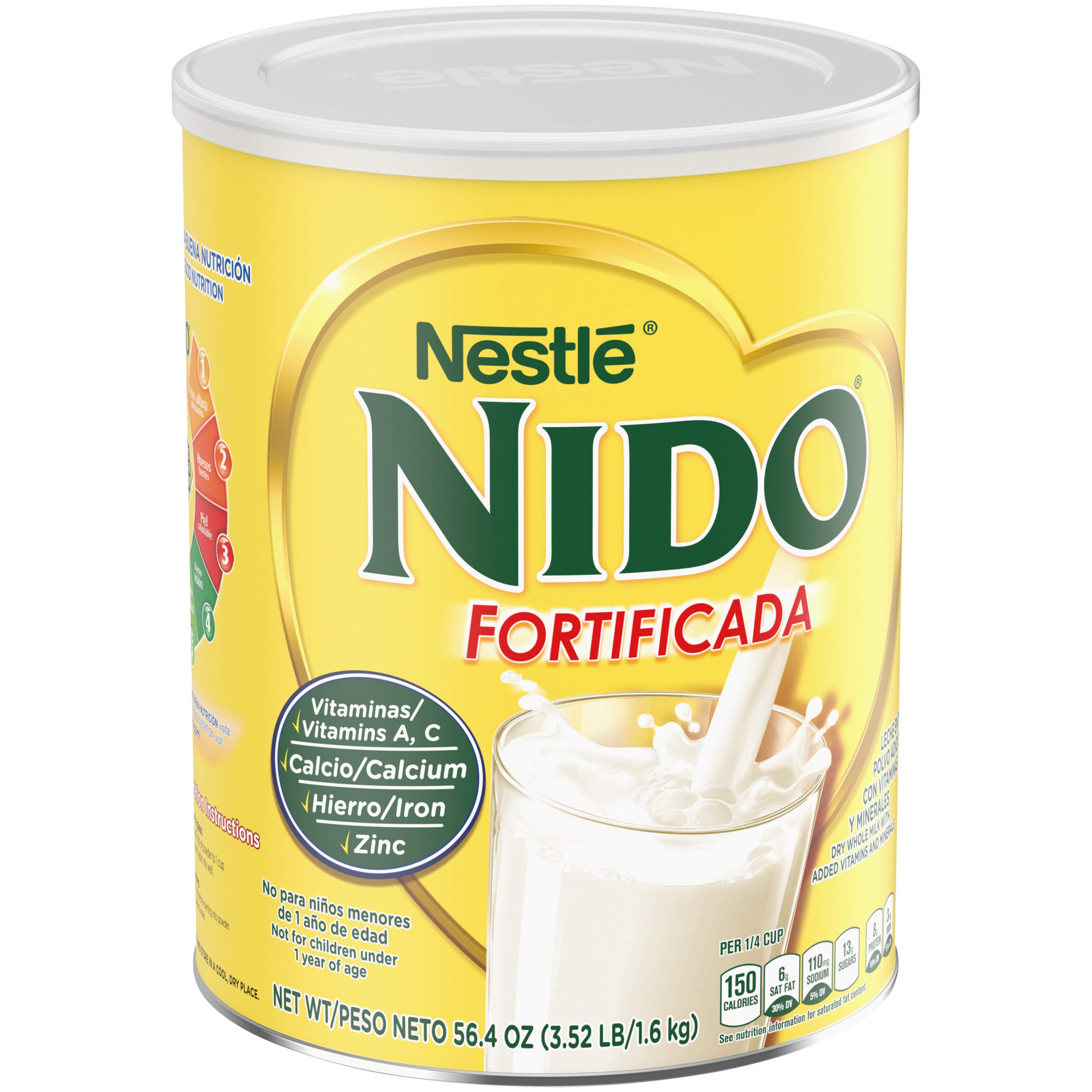
This product contains beneficial ingredients like whole milk and essential vitamins, which contribute positively to its nutritional profile. However, it is classified as ultra-processed due to the presence of additives and fortification, which limits its score. The high sugar content and processing level further impact its overall healthiness, despite the presence of some beneficial nutrients.
Key ingredients 7
Whole milkVery Good
Whole milk provides essential nutrients and natural proteins, making it a wholesome ingredient.
See more about Whole milk →Vitamin c (sodium ascorbate)Neutral
Vitamin C (sodium ascorbate) is added as a nutrient but is considered neutral in overall ingredient quality.
See more about Vitamin c (sodium ascorbate) →Iron (ferric pyrophosphate)Neutral
Iron (ferric pyrophosphate) is a common fortification ingredient, providing essential mineral nutrients without strong positive or negative connotations.
Zinc sulfateNeutral
Zinc sulfate is used for mineral fortification and is generally neutral in consumer perception.
See more about Zinc sulfate →Vitamin a acetateNeutral
Vitamin A acetate is a standard vitamin supplement, considered neutral in terms of ingredient quality.
See more about Vitamin a acetate →Vitamin d3 (cholecalciferol)Neutral
Vitamin D3 (cholecalciferol) is added for nutritional fortification and is viewed neutrally by consumers.
See more about Vitamin d3 (cholecalciferol) →Soy lecithinBad
Soy lecithin is an additive that some consumers prefer to avoid due to its processing and potential allergenic properties.
See more about Soy lecithin →Processing
Ultra-Processed Foods
Get the full breakdown in the Scout appTake Scout shopping
Scan any product to see lab results, healthy alternatives, and your personalized analysis.
Download on theApp Store GET IT ONGoogle Play