Ingredient
Whole Milk
What is Whole Milk?
Whole milk is a dairy product derived from cows, containing around 3.5% fat. It is typically pasteurized to kill harmful bacteria and increase shelf life.
Whole milk is commonly used in cooking and baking, as well as for direct consumption due to its creamy texture and rich taste. In terms of health, whole milk is a source of several essential nutrients, including calcium, vitamin D, and protein. Some studies suggest that whole milk may contribute to heart health due to its fatty acids, while others caution about its saturated fat content.
When seeing whole milk on a label, it's important to note that it is not suitable for people with lactose intolerance or a dairy allergy. Additionally, the fat content means it has more calories compared to lower-fat milk options.
Commonly found in: Milk beverages, Cream-based sauces, Baked goods, Dairy desserts, Breakfast cereals, Smoothies
What to watch
- Contains saturated fats which, when consumed in excess, may contribute to heart disease.
Benefits
- Provides a good source of calcium and protein essential for bone health.
- Contains vitamin D, which helps with the absorption of calcium.
Whole milk is considered safe and is regulated by the FDA, which sets standards for its pasteurization and fat content.
Research presents mixed findings: some evidence supports cardiovascular benefits, while concerns about saturated fat intake remain.
As an animal-derived product, whole milk is not considered vegan.
May benefit some by supporting probiotic bacteria in fermented forms but can cause issues for those with lactose intolerance.
Sources: Got Milk? Dairy Milk Advantages · Dietary Fats and Cardiovascular Disease
Scout's take
Whole milk provides essential nutrients like calcium and vitamin D, contributing to overall nutritional value without strong positive or negative effects.
The case against
Excessive consumption may contribute to increased calorie intake.
from the analysis of Good Culture LOW-FAT CLASSIC SIMPLY COTTAGE CHEESEThe case for
Rich in calcium, vitamin D, and healthy fats that support bone health and nutrient absorption.
from the analysis of Good Culture LOW-FAT CLASSIC SIMPLY COTTAGE CHEESEMore from Scout's analyses
Whole milk is a nutrient-rich source of high-quality protein and essential vitamins and minerals. Being grass-fed and organic, it is likely to contain higher levels of omega-3 fatty acids and antioxidants compared to conventional milk. The minimal processing involved in producing whole milk helps retain its natural nutritional profile.
from the analysis of Family Farmstead Organic Whole Milk plastic bottleWhole milk from grass-fed cows is a high-quality source of protein and healthy fats. Being organic and non-homogenized, it retains more natural nutrients and beneficial fatty acids. Grass-fed dairy is often richer in omega-3 fatty acids and conjugated linoleic acid (CLA) compared to conventional milk.
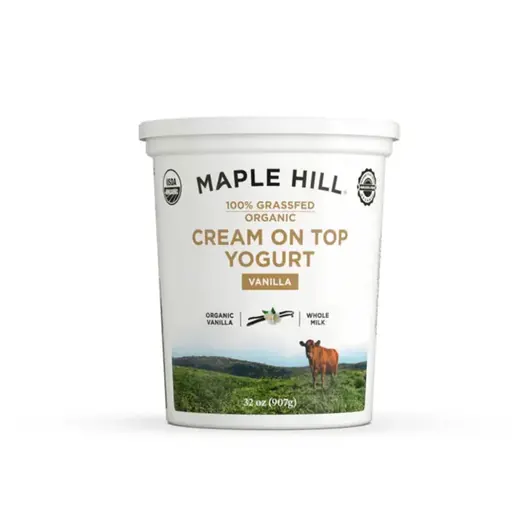
from the analysis of Maple Hill 100% Grassfed Organic Cream On Top Yogurt VanillaWhole milk is a nutrient-dense ingredient providing essential vitamins and minerals. It is a good source of high-quality protein and healthy fats, especially when organic and grass-fed. The organic certification ensures no synthetic pesticides or hormones are used.
from the analysis of Maple Hill Creamery Organic Yogurt VanillaFound in 9 products



Scan any product to see every ingredient explained — and healthier swaps.
Download on theApp Store GET IT ONGoogle Play