



At a glance
Summary
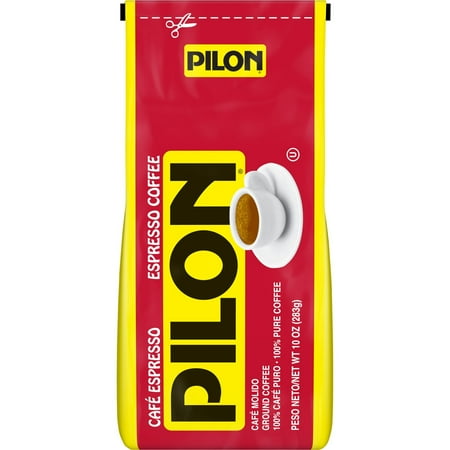
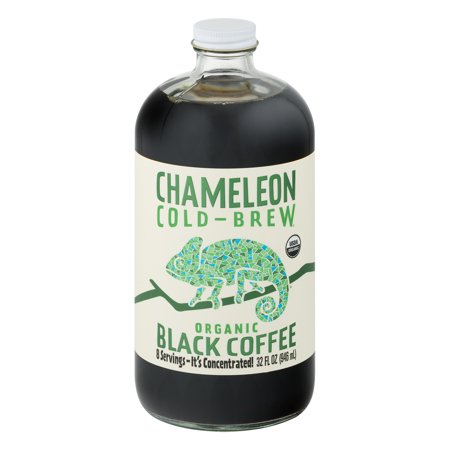
This espresso concentrate contains coffee, which is a natural source of antioxidants, but also includes added sugar and unspecified natural flavors. The presence of sugar can contribute to excessive calorie intake, and the lack of transparency in natural flavors raises concerns about the overall ingredient quality. The product is moderately processed, which limits its score despite the beneficial aspects of coffee.
Key ingredients 4
CoffeeGood
Coffee is a natural source of antioxidants and can provide a boost in energy and mental alertness. The quality of coffee depends on the sourcing and processing methods, which can affect its health benefits. It is generally considered beneficial when consumed in moderation.
Risks
Excessive consumption of coffee can lead to increased heart rate and anxiety.
Benefits
Rich in antioxidants and can improve focus and cognitive function.
Baking SodaNeutral
Baking soda is used as a leavening agent and can help neutralize acidity. It is generally safe in small amounts used in food preparation. Overconsumption can lead to health issues due to its high sodium content.
Risks
Excessive consumption can lead to high sodium intake, which may increase blood pressure.
SugarBad
Sugar is a common sweetener that can contribute to excessive calorie intake and potential weight gain. High consumption of added sugars is linked to various health issues, including obesity and metabolic syndrome. It is important to limit added sugar intake to maintain overall health.
Risks
High intake of sugar can lead to obesity, type 2 diabetes, and heart disease.
Benefits
Provides quick energy but lacks essential nutrients.
Natural FlavorBad
Natural flavors are often used to enhance taste but can be a catch-all term for various additives. The lack of transparency in what constitutes 'natural flavor' can be concerning for consumers seeking clean labels. It is advisable to be cautious with products containing unspecified natural flavors.
Risks
Potential for undisclosed additives and allergens.
Processing
Processed Foods
Get the full breakdown in the Scout appTake Scout shopping
Scan any product to see lab results, healthy alternatives, and your personalized analysis.
Download on theApp Store GET IT ONGoogle Play