
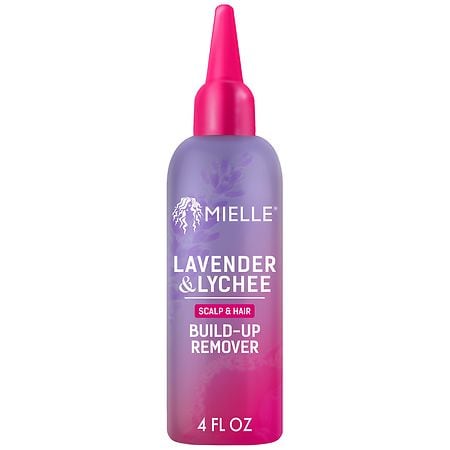

Mielle Organics Scalp Soothing Prewash - Lavender & Lychee - 4 fl oz: For Textured Hair, Liquid Hair Treatment, Soothing
Analysis updated August 2026 · How Scout scores
At a glance
Summary
This product contains beneficial ingredients like niacinamide, caffeine, and panthenol, which support scalp health and hydration. However, it also includes potentially irritating components such as phenoxyethanol, synthetic fragrance, and non-water-soluble dimethicone, which can lead to buildup and irritation. The presence of these synthetic additives and the level of processing prevent it from achieving a higher score.
Key ingredients 18
NiacinamideGood
Niacinamide is a form of Vitamin B3 that is known for its anti-inflammatory properties. It helps improve skin barrier function and reduces redness and irritation. It is beneficial for maintaining scalp health.
Risks
In rare cases, it may cause mild irritation or redness.
Benefits
Niacinamide improves skin barrier function and reduces inflammation.
GlycerinGood
Glycerin is a humectant that attracts moisture to the hair and scalp. It helps to keep hair hydrated and can improve the overall health of the scalp.
Risks
Generally safe, but excessive use can lead to a sticky feeling.
Benefits
Hydrates and moisturizes hair and scalp.
PanthenolGood
Panthenol is a form of Vitamin B5 that is used for its moisturizing properties. It helps to improve hair elasticity and adds shine.
Risks
Generally safe with minimal risk of irritation.
Benefits
Moisturizes and improves hair elasticity and shine.
Litchi Chinensis Fruit ExtractGood
Litchi Chinensis Fruit Extract is rich in antioxidants and vitamins. It helps to protect the hair and scalp from environmental damage.
Risks
Generally safe with minimal risk of irritation.
Benefits
Provides antioxidant protection and nourishes the hair.
Mentha Arvensis Leaf/Stem OilGood
Mentha Arvensis Leaf/Stem Oil is known for its cooling and soothing properties. It can help to relieve scalp irritation and improve circulation.
Risks
May cause irritation in sensitive individuals.
Benefits
Soothes the scalp and improves circulation.
Mentha Piperita (Peppermint) Flower/Leaf/Stem OilGood
Peppermint Oil is known for its invigorating and cooling properties. It helps to soothe the scalp and may promote hair growth by improving blood circulation.
Risks
May cause irritation or allergic reactions in sensitive individuals.
Benefits
Soothes the scalp and may promote hair growth.
Lavandula Angustifolia (Lavender) Flower ExtractGood
Lavender Extract is known for its calming and soothing properties. It can help to reduce scalp irritation and promote relaxation.
Risks
Generally safe, but may cause irritation in sensitive individuals.
Benefits
Calms and soothes the scalp, promoting relaxation.
WaterNeutral
Water is a common solvent used in cosmetic formulations. It helps dissolve other ingredients and provides a base for the product. It does not have any direct benefits or risks.
Risks
There are no known risks associated with water in cosmetic products.
Benefits
Water acts as a solvent and helps in the application of the product.
PEG-40 Hydrogenated Castor OilNeutral
PEG-40 Hydrogenated Castor Oil is used as an emulsifier and surfactant in cosmetic products. It helps to mix oil and water-based ingredients. It is generally considered safe for use in cosmetics.
Risks
There is a potential risk of contamination with ethylene oxide or 1,4-dioxane during manufacturing.
Benefits
It helps to stabilize formulations and improve texture.
CaffeineNeutral
Standard formulation ingredient — neither beneficial nor harmful at typical use.
Risks
There are minimal risks associated with topical application of caffeine.
Benefits
Improves circulation and may promote hair growth.
MentholNeutral
Menthol provides a cooling sensation and is often used for its soothing properties. It can help to relieve itching and irritation on the scalp.
Risks
May cause irritation in sensitive individuals.
Benefits
Provides a cooling and soothing effect on the scalp.
Tetrahydroxypropyl EthylenediamineNeutral
This ingredient is used as a pH adjuster in cosmetic formulations. It helps to maintain the stability and effectiveness of the product.
Risks
Generally considered safe, but may cause irritation in some individuals.
Benefits
Helps maintain product stability and effectiveness.
EthylhexylglycerinNeutral
Ethylhexylglycerin is used as a preservative and skin conditioning agent. It enhances the efficacy of other preservatives and provides a mild conditioning effect.
Risks
Generally safe, but may cause mild irritation in sensitive individuals.
Benefits
Enhances preservative efficacy and conditions the skin.
PhenoxyethanolBad
Phenoxyethanol is a preservative used to prevent microbial growth in cosmetics. It is effective but can cause skin irritation in some individuals. It is considered a potential allergen.
Risks
May cause skin irritation and allergic reactions in sensitive individuals.
Benefits
Prevents microbial growth, extending the shelf life of the product.
Bis PEG/PPG-16/16 PEG/PPG-16/16 DimethiconeBad
Dimethicone is a silicone-based polymer used for its smoothing properties. It can create a barrier on the hair, leading to buildup over time. It is not water-soluble, which can make it difficult to remove.
Risks
May cause buildup on hair, leading to brittleness and dullness.
Benefits
Provides a smooth, silky feel to hair.
Benzyl AlcoholBad
Benzyl Alcohol is used as a preservative and solvent in cosmetics. It can be drying and irritating to the skin, especially in high concentrations.
Risks
May cause skin irritation and dryness.
Benefits
Acts as a preservative and solvent in formulations.
Acrylates/C10-30 Alkyl Acrylate CrosspolymerBad
Processed additive flagged under Scout's ingredient doctrine.
Risks
Generally considered safe, but may cause irritation in some individuals.
Benefits
Improves texture and stability of the product.
FragranceVery Bad
Fragrance is used to impart a pleasant scent to cosmetic products. However, it can be a mixture of various chemicals, some of which may cause allergic reactions or irritation.
Risks
Potential allergen and irritant, especially for sensitive skin.
Benefits
Provides a pleasant scent to the product.
Processing
Processed Foods
Get the full breakdown in the Scout appTake Scout shopping
Scan any product to see lab results, healthy alternatives, and your personalized analysis.
Download on theApp Store GET IT ONGoogle Play