
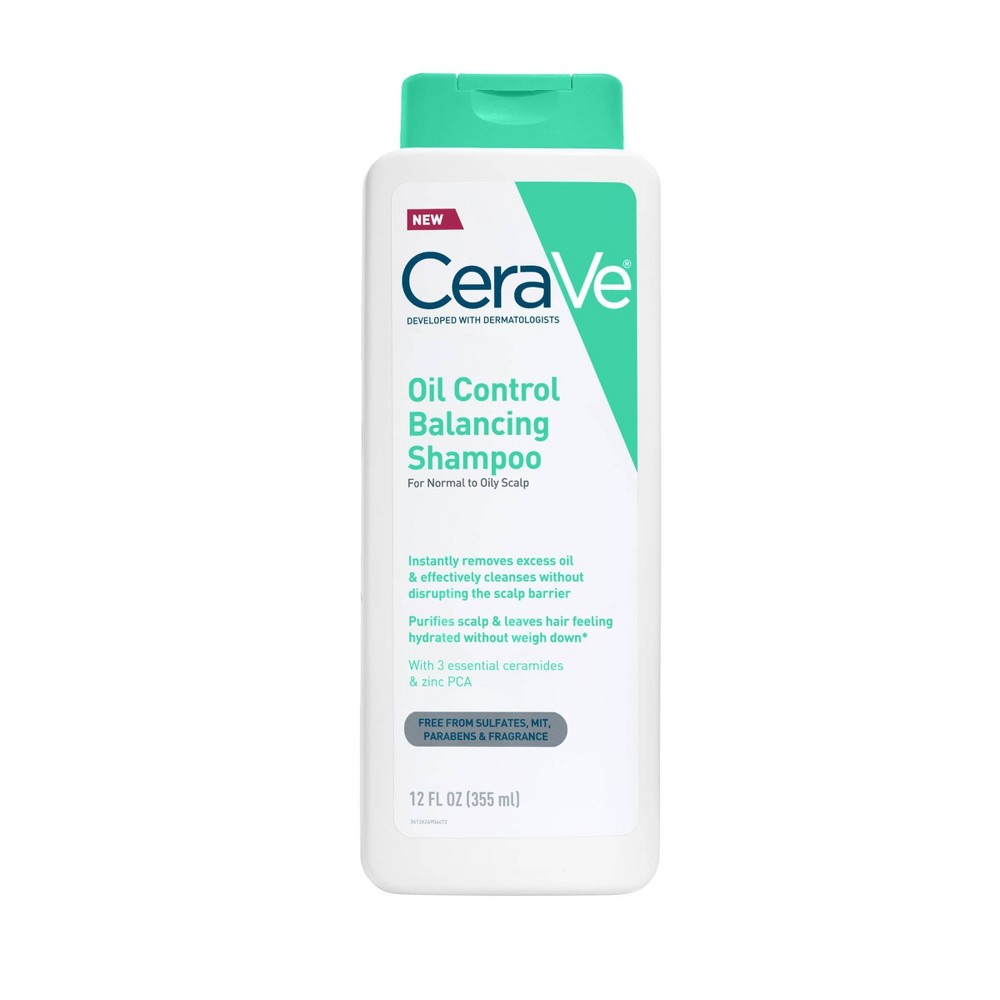

CeraVe Oil Control Gentle Scalp Care Shampoo - 12 fl oz: For Coily & All Hair Types, Daily Use, Sulfate-Free
Analysis updated September 2026 · How Scout scores
At a glance
Summary
This shampoo is sulfate-free, which is beneficial for maintaining scalp health, and contains several beneficial ingredients like ceramides and niacinamide that support hair strength and moisture retention. However, it includes sodium chloride, which can dry out the hair, and amodimethicone, a non-water-soluble silicone that may lead to buildup. The presence of phenoxyethanol, a preservative with potential irritation concerns, also affects the overall ingredient safety.
Key ingredients 36
Disodium CocoamphodiacetateGood
Disodium Cocoamphodiacetate is a mild surfactant derived from coconut oil. It is used to enhance the foaming and cleansing properties of shampoos. It is gentle on the skin and hair.
Risks
Rarely causes irritation or allergic reactions.
Benefits
Enhances foam and provides gentle cleansing.
Ceramide NPGood
Ceramide NP is a lipid that helps restore and maintain the natural barrier of the skin and hair. It is beneficial for improving moisture retention. It supports the health and strength of hair.
Benefits
Helps restore and maintain moisture in hair.
Ceramide APGood
Ceramide AP is a type of ceramide that helps strengthen the hair's natural barrier. It aids in moisture retention and improves hair resilience. It is beneficial for maintaining healthy hair.
Benefits
Strengthens hair and improves moisture retention.
Ceramide EOPGood
Ceramide EOP is a lipid that supports the hair's natural barrier function. It helps retain moisture and improve hair texture. It is beneficial for maintaining healthy, hydrated hair.
Benefits
Supports moisture retention and improves hair texture.
NiacinamideGood
Niacinamide is a form of Vitamin B3 that offers multiple benefits for skin and hair. It helps improve the appearance of hair by enhancing shine and strength. It is also known for its soothing properties.
Benefits
Enhances hair shine and strength, and soothes the scalp.
Salicylic AcidGood
Salicylic Acid is a beta hydroxy acid known for its exfoliating properties. It helps remove dead skin cells and reduce scalp buildup. It is beneficial for maintaining a healthy scalp.
Risks
May cause irritation in sensitive scalps if used excessively.
Benefits
Exfoliates the scalp and reduces buildup.
Sodium HyaluronateGood
Sodium Hyaluronate is a form of hyaluronic acid known for its hydrating properties. It helps retain moisture in the hair and scalp. It is beneficial for improving hair texture and hydration.
Benefits
Enhances hydration and improves hair texture.
CholesterolGood
Cholesterol is a lipid that helps strengthen and condition hair. It aids in moisture retention and improves hair elasticity. It is beneficial for maintaining healthy, resilient hair.
Benefits
Strengthens and conditions hair, improving elasticity.
Coco-BetaineGood
Coco-Betaine is a mild surfactant derived from coconut oil. It is used to enhance the foaming and cleansing properties of shampoos. It is gentle on the skin and hair, making it suitable for sensitive scalps.
Risks
Rarely causes irritation or allergic reactions.
Benefits
Enhances foam and provides gentle cleansing.
PhytosphingosineGood
Phytosphingosine is a lipid that helps maintain the natural barrier of the skin and hair. It is beneficial for improving moisture retention and reducing inflammation. It supports the health and strength of hair.
Benefits
Helps maintain moisture and reduce inflammation.
WaterNeutral
Water is a common solvent used in cosmetic formulations. It helps dissolve other ingredients and provides a base for the product. It does not have any direct benefits or risks.
Risks
There are no known risks associated with water in cosmetic products.
Benefits
Water acts as a solvent and carrier for other ingredients.
Disodium Laureth SulfosuccinateNeutral
Disodium Laureth Sulfosuccinate is a mild surfactant used for cleansing. It is considered less irritating than traditional sulfates. It provides a gentle lather without stripping oils.
Risks
Generally considered safe, but may cause mild irritation in sensitive individuals.
Benefits
Provides gentle cleansing suitable for sensitive skin.
Sodium ChlorideNeutral
Standard formulation ingredient — neither beneficial nor harmful at typical use.
Risks
May cause dryness and irritation, especially in sensitive scalps.
Benefits
Helps to thicken the shampoo formula.
Glycol DistearateNeutral
Glycol Distearate is used to give shampoos a pearlescent appearance and improve texture. It does not have significant benefits or risks. It is primarily an aesthetic ingredient.
Benefits
Improves the visual appeal and texture of the product.
Sodium Lauryl SulfoacetateNeutral
Sodium Lauryl Sulfoacetate is a mild surfactant used for its cleansing properties. It is less irritating than traditional sulfates. It provides a good lather without being overly harsh.
Risks
Generally safe, but may cause mild irritation in sensitive individuals.
Benefits
Provides effective cleansing with a gentle lather.
PPG-5-Ceteth-20Neutral
PPG-5-Ceteth-20 is an emulsifier and surfactant used to stabilize formulations. It helps blend oil and water-based ingredients. It does not have significant benefits or risks.
Benefits
Stabilizes the product formulation.
Potato Starch ModifiedNeutral
Potato Starch Modified is used as a thickening agent in cosmetic formulations. It helps improve the texture and consistency of the product. It does not have significant benefits or risks.
Benefits
Improves texture and consistency of the product.
Cocamide MipaNeutral
Cocamide Mipa is a surfactant and foam booster derived from coconut oil. It helps improve the lather and cleansing properties of shampoos. It is generally considered safe for use.
Risks
May cause mild irritation in sensitive individuals.
Benefits
Enhances foam and cleansing properties.
CarbomerNeutral
Carbomer is used as a thickening agent in cosmetic formulations. It helps stabilize and improve the texture of the product. It does not have significant benefits or risks.
Benefits
Stabilizes and thickens the product.
Trideceth-6Neutral
Trideceth-6 is an emulsifier used to blend oil and water-based ingredients. It helps stabilize formulations and improve texture. It does not have significant benefits or risks.
Benefits
Stabilizes and improves the texture of the product.
Triethyl CitrateNeutral
Triethyl Citrate is used as a fragrance ingredient and stabilizer in cosmetic formulations. It helps improve the scent and stability of the product. It does not have significant benefits or risks.
Benefits
Improves scent and stability of the product.
Sodium HydroxideNeutral
Sodium Hydroxide is used to adjust the pH of cosmetic formulations. It helps maintain the stability and effectiveness of the product. It does not have significant benefits or risks when used in small amounts.
Risks
Can be irritating in high concentrations, but generally safe in small amounts.
Benefits
Maintains pH balance and stability of the product.
Sodium Lauroyl LactylateNeutral
Standard formulation ingredient — neither beneficial nor harmful at typical use.
Benefits
Provides gentle cleansing and enhances hydration.
Sodium PolynaphthalenesulfonateNeutral
Sodium Polynaphthalenesulfonate is used as a dispersing agent in cosmetic formulations. It helps improve the distribution of ingredients in the product. It does not have significant benefits or risks.
Benefits
Improves distribution of ingredients in the product.
Citric AcidNeutral
Citric Acid is used to adjust the pH of cosmetic formulations. It helps maintain the stability and effectiveness of the product. It does not have significant benefits or risks when used in small amounts.
Risks
Can be irritating in high concentrations, but generally safe in small amounts.
Benefits
Maintains pH balance and stability of the product.
Caprylyl GlycolNeutral
Caprylyl Glycol is used as a skin conditioning agent and preservative booster. It helps improve the texture and stability of cosmetic formulations. It does not have significant benefits or risks.
Benefits
Improves texture and stability of the product.
Xanthan GumNeutral
Xanthan Gum is used as a thickening and stabilizing agent in cosmetic formulations. It helps improve the texture and consistency of the product. It does not have significant benefits or risks.
Benefits
Improves texture and consistency of the product.
Polyquaternium-10Neutral
Polyquaternium-10 is a conditioning agent used to improve hair texture and manageability. It helps reduce static and frizz in hair. It does not have significant benefits or risks.
Risks
May cause mild irritation in sensitive individuals.
Benefits
Improves hair texture and reduces static.
Benzoic AcidNeutral
Benzoic Acid is used as a preservative in cosmetic formulations. It helps prevent microbial growth and extend the shelf life of the product. It does not have significant benefits or risks.
Risks
May cause mild irritation in sensitive individuals.
Benefits
Prevents microbial growth and extends shelf life.
Sodium C14-16 Olefin SulfonateBad
Sodium C14-16 Olefin Sulfonate is a surfactant used for its cleansing properties. It can be harsh and strip natural oils from the hair and scalp. It is often considered a less gentle alternative to other surfactants.
Risks
May cause dryness and irritation to sensitive scalps.
Benefits
Effective at removing dirt and oil from hair.
AmodimethiconeBad
Amodimethicone is a silicone used to condition and smooth hair. It can build up on hair over time, leading to dullness and brittleness. It is not water-soluble, requiring stronger cleansers to remove.
Risks
Can cause buildup on hair, leading to dullness and potential breakage.
Benefits
Provides immediate smoothness and shine to hair.
Sodium BenzoateBad
Synthetic preservative that can form benzene in the presence of vitamin C.
Risks
May cause mild irritation in sensitive individuals.
Benefits
Prevents microbial growth and extends shelf life.
PhenoxyethanolBad
Phenoxyethanol is a preservative used to prevent microbial growth in cosmetic products. It can cause irritation and allergic reactions in some individuals. It is restricted in certain regions due to potential toxicity concerns.
Risks
May cause irritation and allergic reactions, especially in sensitive individuals.
Benefits
Prevents microbial growth and extends shelf life.
Propylene GlycolBad
Processed additive flagged under Scout's ingredient doctrine.
Risks
May cause mild irritation in sensitive individuals.
Benefits
Retains moisture and improves product texture.
Cetrimonium ChlorideBad
Processed additive flagged under Scout's ingredient doctrine.
Risks
May cause mild irritation in sensitive individuals.
Benefits
Improves hair texture and reduces static.
Acrylates CopolymerBad
Processed additive flagged under Scout's ingredient doctrine.
Benefits
Improves texture and hold of the product.
Get the full breakdown in the Scout appTake Scout shopping
Scan any product to see lab results, healthy alternatives, and your personalized analysis.
Download on theApp Store GET IT ONGoogle PlayAmazon pricing & content
Amazon price as of . Product prices and availability are accurate as of the date/time indicated and are subject to change. Any price and availability information displayed on Amazon.com at the time of purchase will apply to the purchase of this product.
CERTAIN CONTENT THAT APPEARS ON THIS SITE COMES FROM AMAZON. THIS CONTENT IS PROVIDED “AS IS” AND IS SUBJECT TO CHANGE OR REMOVAL AT ANY TIME.