


At a glance
Summary
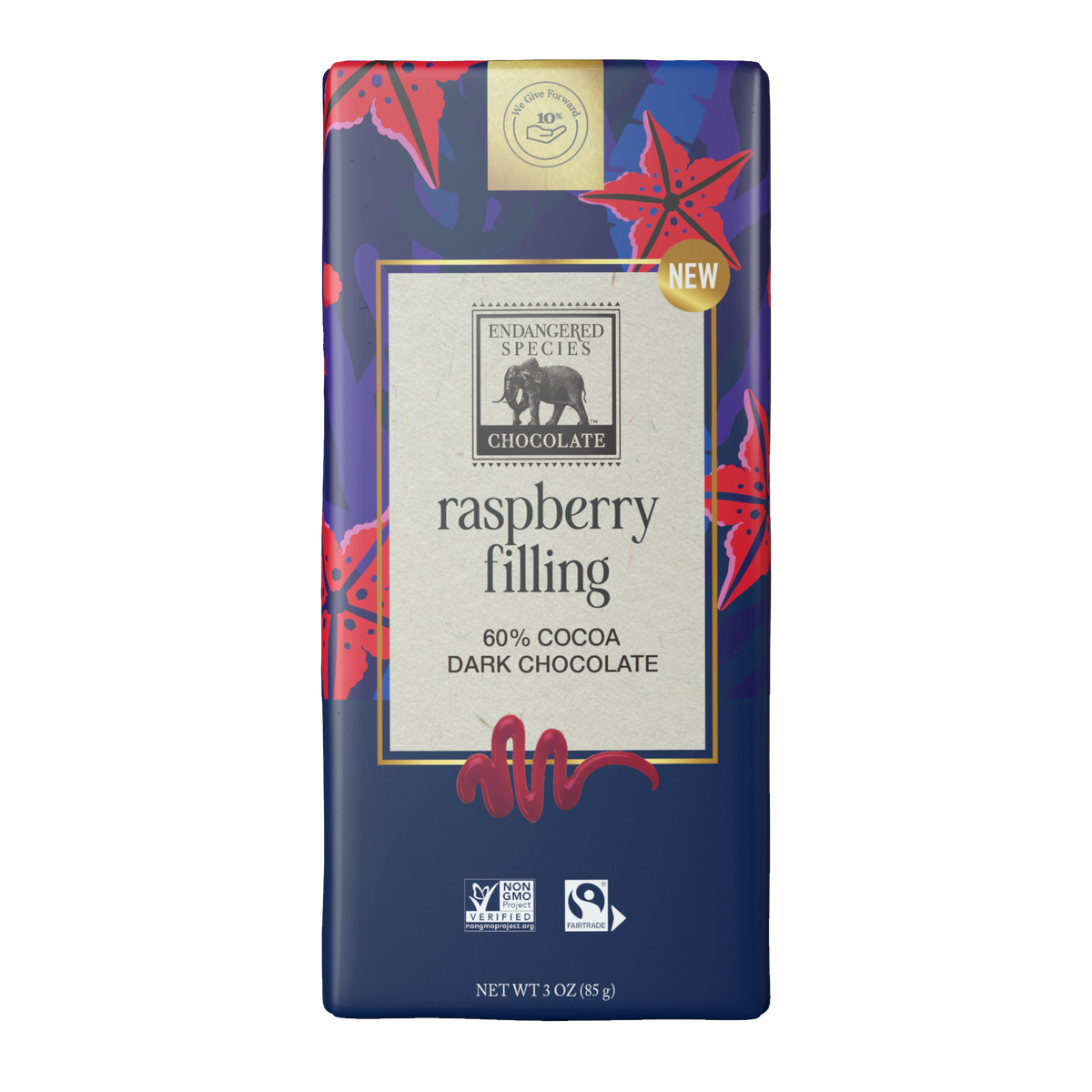
This milk chocolate hazelnut product contains beneficial ingredients like cocoa butter, nibbed hazelnuts, and unsweetened chocolate, which contribute to its nutritional profile. However, it is heavily processed with a high sugar content and includes additives like lecithins and natural flavors, which detract from its overall healthiness. The processing level and presence of refined sugar limit its score, despite the presence of some quality ingredients.
Key ingredients 8
Nibbed HazelnutsVery Good
Hazelnuts are nutrient-dense nuts rich in healthy fats, vitamins, and minerals. They provide a good source of vitamin E, magnesium, and fiber. Their natural form and minimal processing enhance their nutritional profile.
Risks
Potential allergen for individuals with nut allergies.
Benefits
Rich in monounsaturated fats and antioxidants that support heart health and reduce inflammation.
Cocoa ButterGood
Cocoa butter is a natural fat extracted from cocoa beans, rich in healthy saturated fats. It provides a smooth texture and is a source of antioxidants. Its natural origin and minimal processing make it a beneficial ingredient in moderation.
Risks
High in calories and should be consumed in moderation to avoid weight gain.
Benefits
Contains antioxidants that may support heart health and improve skin elasticity.
Unsweetened ChocolateGood
Unsweetened chocolate is made from pure cocoa solids and cocoa butter, without added sugar. It is rich in antioxidants and flavonoids, which can support cardiovascular health. Its minimal processing retains most of the beneficial compounds found in cocoa.
Risks
High in calories and should be consumed in moderation.
Benefits
Contains flavonoids that may improve heart health and cognitive function.
Nonfat Dry MilkNeutral
Nonfat dry milk is a dehydrated form of milk with most of the fat removed. It provides protein and calcium but lacks the beneficial fats found in whole milk. Its processing involves pasteurization and drying, which can reduce some nutrient content.
Risks
May contain lactose, which can be problematic for lactose-intolerant individuals.
Benefits
Provides a source of protein and calcium, essential for bone health.
ButterfatNeutral
Butterfat is the natural fat found in milk, providing a rich flavor and texture. It is a source of saturated fats, which should be consumed in moderation. Its natural origin makes it a traditional ingredient in many dairy products.
Risks
High in saturated fats, which can contribute to heart disease if consumed in excess.
Benefits
Provides a rich flavor and is a source of fat-soluble vitamins like A and D.
SugarBad
Refined sugar is a high-calorie ingredient with no essential nutrients. It can contribute to weight gain and increase the risk of chronic diseases when consumed in excess. Its high glycemic index can lead to rapid spikes in blood sugar levels.
Risks
Excessive consumption of sugar is linked to obesity, type 2 diabetes, and heart disease.
LecithinsBad
Lecithins are emulsifiers used to improve texture and extend shelf life. They are often derived from soy or sunflower and are highly processed. While generally recognized as safe, they add to the processed nature of the product.
Risks
May cause digestive issues in sensitive individuals and contribute to the ultra-processed nature of foods.
Natural FlavorBad
Natural flavors are additives used to enhance taste, often derived from plant or animal sources. They are highly processed and can contain multiple chemical compounds. The lack of transparency in their composition raises concerns about potential allergens and additives.
Risks
Potential allergen and may contain undisclosed additives.
Processing
Processed Foods
Get the full breakdown in the Scout appTake Scout shopping
Scan any product to see lab results, healthy alternatives, and your personalized analysis.
Download on theApp Store GET IT ONGoogle Play