


At a glance
Summary
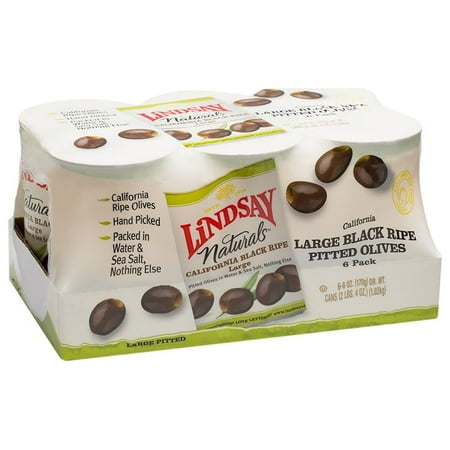
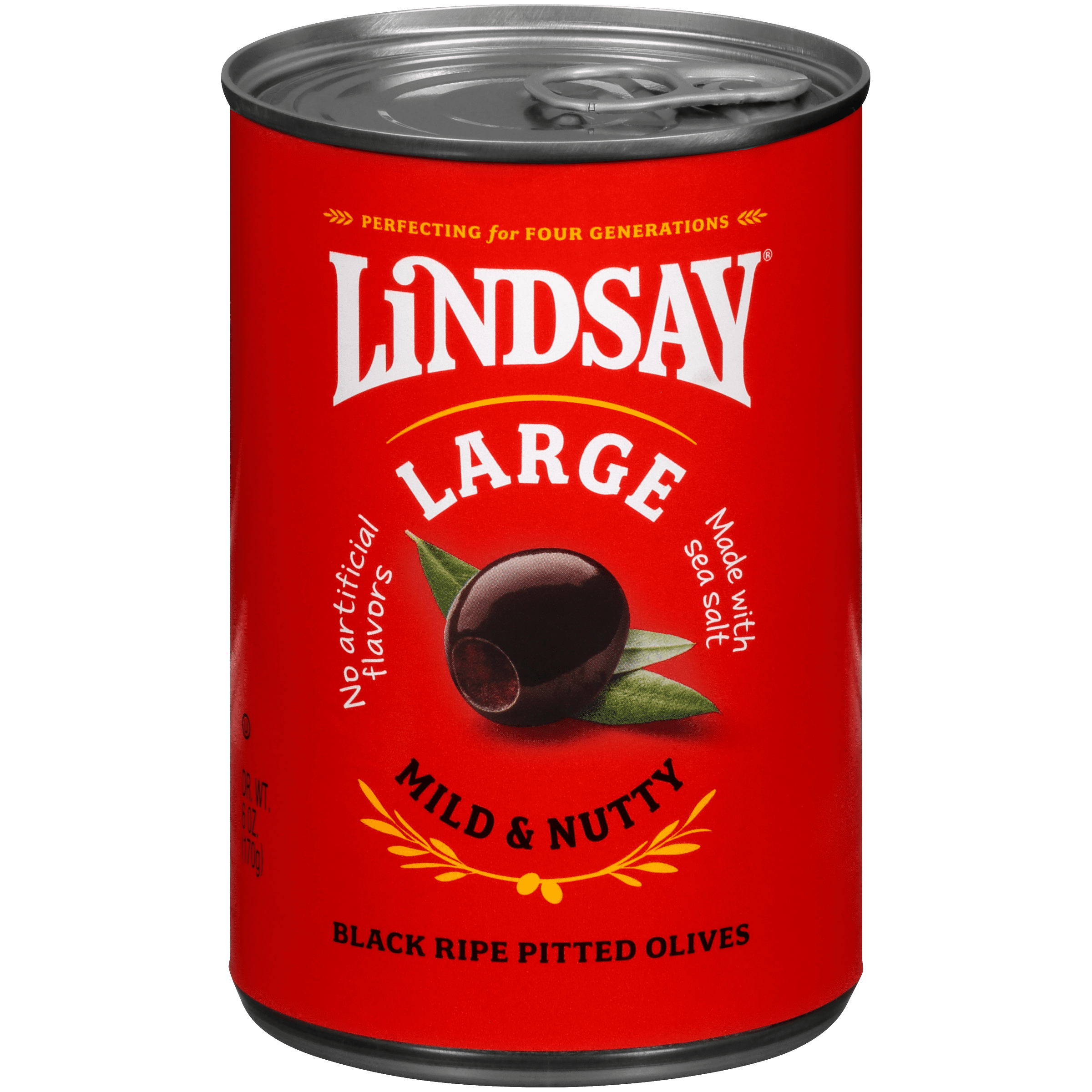
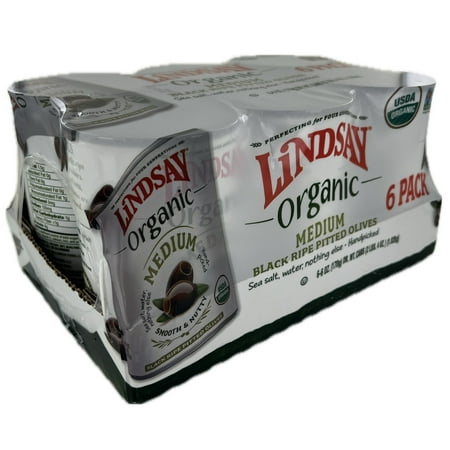
This product consists mainly of ripe olives, which are a good source of healthy monounsaturated fats and antioxidants. The ingredient list is short and clean, with only a minor additive used to stabilize color. Despite being processed, the absence of harmful ingredients like seed oils or artificial additives supports a relatively high score within its category.
Key ingredients 4
Ripe olivesGood
Ripe olives are a source of healthy monounsaturated fats, which are beneficial for heart health. They contain antioxidants such as vitamin E and polyphenols that may reduce oxidative stress. The natural processing of olives retains these beneficial compounds.
Risks
Olives can be high in sodium, which may be a concern for individuals monitoring their salt intake.
Benefits
Rich in monounsaturated fats that support heart health and provide anti-inflammatory properties. Contains antioxidants that may protect against cellular damage.
WaterNeutral
Water is used as a medium for preserving and processing olives. It does not contribute any nutritional value or health risks. Its presence is essential for maintaining the texture and moisture of the olives.
See more about Water →SaltNeutral
Salt is used as a preservative and flavor enhancer in olives. It is a common ingredient in processed foods to maintain shelf life and taste. While necessary for flavor, excessive consumption can lead to health issues such as hypertension.
Risks
High sodium intake can contribute to elevated blood pressure and cardiovascular issues.
Benefits
Provides essential sodium needed for various bodily functions, but should be consumed in moderation.
Ferrous gluconateNeutral
Ferrous gluconate is used to stabilize the color of olives, preventing them from turning brown. It is a form of iron supplement that is generally recognized as safe in food processing. While it helps maintain the visual appeal of the product, it does not significantly impact nutritional value.
Risks
Excessive iron intake can lead to toxicity, but the amounts used in food processing are typically safe.
Benefits
Provides a small amount of iron, which is essential for oxygen transport in the blood, though not in significant quantities in this context.
Processing
Processed Foods
Get the full breakdown in the Scout appTake Scout shopping
Scan any product to see lab results, healthy alternatives, and your personalized analysis.
Download on theApp Store GET IT ONGoogle Play