



At a glance
Summary
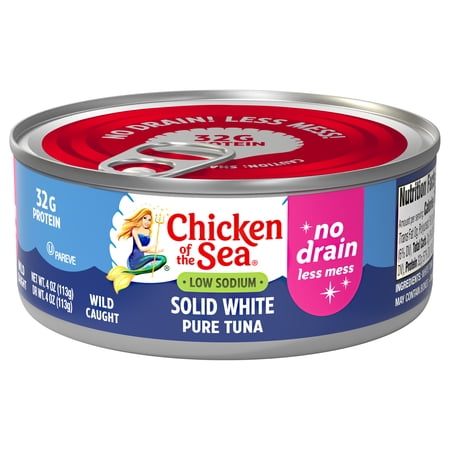
This product is minimally processed, consisting primarily of wild skipjack tuna, which is a high-quality source of protein and omega-3 fatty acids. The addition of vegetable broth and salt is minimal and does not detract from the overall nutritional value. The product's clean ingredient list and sustainable sourcing contribute positively to its health rating.
Key ingredients 4
TunaGood
Tuna is a high-quality source of protein and omega-3 fatty acids, which are beneficial for heart health. It is minimally processed and provides essential nutrients like vitamin D and selenium. Wild-caught tuna is generally considered a sustainable seafood choice.
Risks
Potential risks include mercury contamination, which can be a concern if consumed in large quantities.
Benefits
Rich in omega-3 fatty acids that support cardiovascular health and provide anti-inflammatory benefits. High protein content aids in muscle maintenance and repair.
WaterNeutral
Water is used as a medium for packing and does not contribute any nutritional value. It is a neutral ingredient that helps maintain the moisture of the product. There are no processing concerns associated with water in this context.
See more about Water →Vegetable brothNeutral
Vegetable broth, made from pea and carrot, adds flavor without significant nutritional impact. It is minimally processed and does not contain additives or preservatives. The broth is a natural way to enhance taste without artificial ingredients.
Benefits
Provides a subtle flavor enhancement without adding artificial flavors or preservatives.
SaltNeutral
Salt is used as a seasoning and preservative, contributing to flavor and shelf stability. It is a common culinary ingredient with no additional processing concerns. While necessary for flavor, excessive consumption can lead to health issues.
Risks
Excessive salt intake can contribute to high blood pressure and cardiovascular issues.
Benefits
Enhances flavor and acts as a preservative, extending the product's shelf life.
Processing
Unprocessed or Minimally Processed Foods
Get the full breakdown in the Scout appTake Scout shopping
Scan any product to see lab results, healthy alternatives, and your personalized analysis.
Download on theApp Store GET IT ONGoogle Play