


At a glance
Summary
This braised beef dish contains high-quality ingredients like beef, olive oil, and black beans, which provide essential nutrients and healthy fats. The inclusion of tomato puree and garlic adds antioxidants and potential health benefits. Despite being processed, the product avoids harmful additives and seed oils, maintaining a clean ingredient list that supports a higher score within its category.
Key ingredients 17
Olive oilVery Good
Olive oil is a high-quality monounsaturated fat with anti-inflammatory properties. It contains antioxidants that support heart health. Cold-pressed extraction preserves beneficial compounds.
Benefits
Rich in monounsaturated fats that support heart health and provide anti-inflammatory properties.
BeefGood
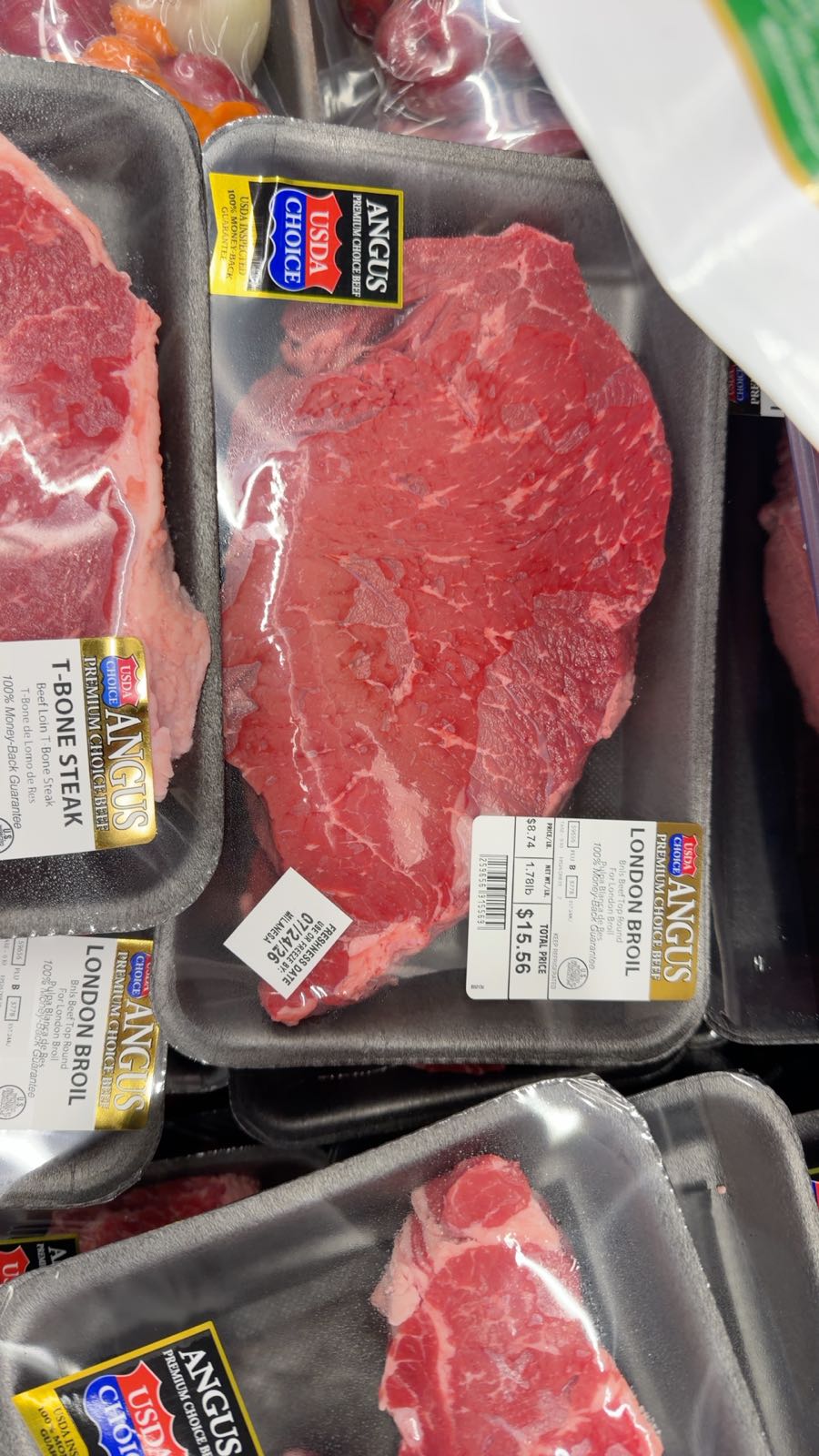
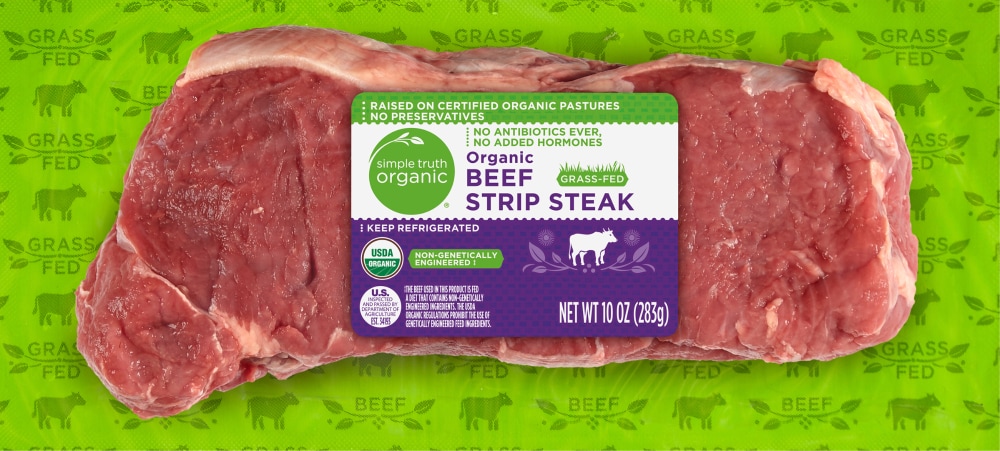
Beef is a rich source of high-quality protein and essential nutrients like iron and vitamin B12. It provides a complete amino acid profile beneficial for muscle growth and repair. Grass-fed beef is preferred for higher omega-3 content and better fat quality.
Risks
Excessive consumption of red meat may be linked to increased risk of certain diseases.
Benefits
Provides essential nutrients and high-quality protein necessary for various bodily functions.
Tomato pureeGood
Tomato puree is rich in lycopene, an antioxidant linked to reduced risk of chronic diseases. It is a concentrated source of vitamins A and C. Processing enhances lycopene bioavailability.
Benefits
Rich in antioxidants and vitamins that support immune function and reduce inflammation.
Beef stockGood
Beef stock is a flavorful base that provides minerals and collagen. It is often used to enhance the nutritional profile of dishes. Homemade or low-sodium versions are preferred for better health outcomes.
Risks
Commercial stocks may contain high sodium levels.
Benefits
Provides minerals and collagen that support joint health and digestion.
Black beansGood
Black beans are a good source of plant-based protein and fiber. They provide essential nutrients like folate and iron. Their fiber content supports digestive health and helps regulate blood sugar levels.
Risks
May cause digestive discomfort in some individuals due to oligosaccharides.
Benefits
Supports heart health and provides essential nutrients and fiber.
GarlicGood
Garlic is known for its potential health benefits, including antimicrobial and cardiovascular support. It contains sulfur compounds that may reduce inflammation. Fresh garlic is preferred for maximum health benefits.
Risks
May cause digestive discomfort in some individuals.
Benefits
Supports cardiovascular health and has antimicrobial properties.
Black pepperGood
Beneficial ingredient — whole-food or functional value in this product class.
Benefits
May enhance nutrient absorption and aid digestion.
SpicesGood
Whole-food seasonings, antioxidant-bearing.
Benefits
May provide antioxidants and support health depending on the type.
OnionNeutral
Onions are a common culinary ingredient that adds flavor and aroma. They contain antioxidants and compounds that may support heart health. The nutritional impact is minimal in small quantities.
Benefits
Contains antioxidants and compounds that may support heart health.
Red bell pepperNeutral
Red bell peppers are rich in vitamin C and antioxidants. They add color and flavor to dishes. The nutritional impact is minimal in small quantities.
Benefits
Provides vitamin C and antioxidants that support immune health.
Green bell pepperNeutral
Green bell peppers are a source of vitamin C and fiber. They add flavor and texture to dishes. The nutritional impact is minimal in small quantities.
Benefits
Provides vitamin C and fiber that support immune and digestive health.
Rice vinegarNeutral
Rice vinegar is used for its mild acidity and flavor enhancement. It is low in calories and adds a tangy taste to dishes. The nutritional impact is minimal in small quantities.
Benefits
Adds flavor with minimal calories.
SaltNeutral
Salt is used to enhance flavor and preserve food. It is essential for maintaining fluid balance and nerve function. Excessive intake can lead to health issues such as hypertension.
Risks
High sodium intake is linked to increased blood pressure and cardiovascular risk.
Benefits
Essential for fluid balance and nerve function.
WaterNeutral
Water is used as a solvent and to adjust consistency in food products. It is essential for hydration and various bodily functions. The nutritional impact is neutral.
Benefits
Essential for hydration and bodily functions.
White riceNeutral
White rice is a staple carbohydrate source that provides energy. It is low in fiber and nutrients compared to whole grains. Enriched versions may provide additional nutrients.
Risks
High glycemic index may affect blood sugar levels.
Benefits
Provides a source of energy.
CilantroNeutral
Cilantro is used for its flavor and potential antioxidant properties. It contains vitamins and minerals in small amounts. The nutritional impact is minimal in small quantities.
Benefits
May provide antioxidants and enhance flavor.
Lime juiceNeutral
Lime juice is used for its acidity and flavor. It provides vitamin C and antioxidants. The nutritional impact is minimal in small quantities.
Benefits
Provides vitamin C and enhances flavor.
Processing
Processed Foods
Get the full breakdown in the Scout appTake Scout shopping
Scan any product to see lab results, healthy alternatives, and your personalized analysis.
Download on theApp Store GET IT ONGoogle Play