
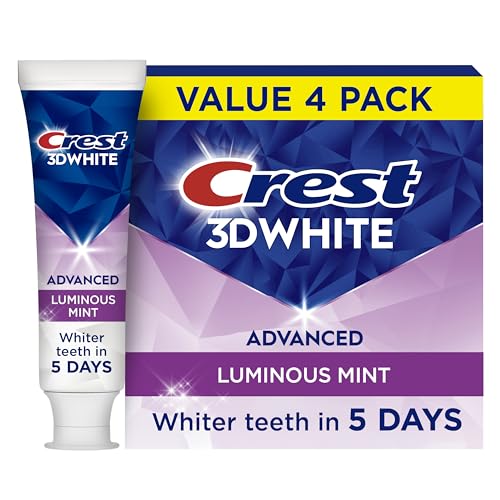
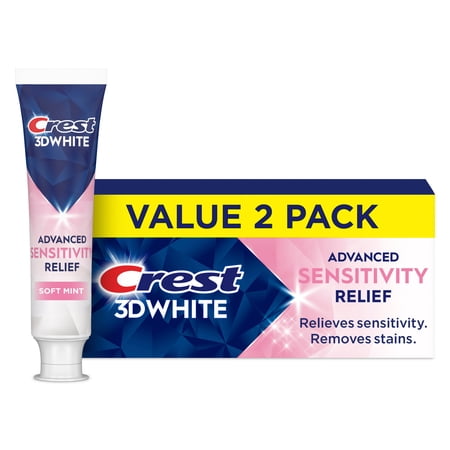

Crest 3D White Whitening Therapy Sensitivity Care Toothpaste, 4.1 oz
Analysis updated May 2026 · How Scout scores
At a glance
Summary
This toothpaste contains beneficial ingredients like hydrated silica and sodium fluoride, which are effective for cleaning and protecting teeth. However, it also includes trisodium phosphate and sodium lauryl sulfate, which are controversial due to potential health concerns and irritation. The product is moderately processed, which affects its overall rating.
Key ingredients 11
Sodium FluorideVery Good
Sodium fluoride is a key active ingredient in toothpaste for preventing tooth decay. It is a mineral that strengthens tooth enamel and reduces the risk of cavities. Its inclusion is critical for dental health, providing a protective effect against acid attacks from plaque bacteria and sugars.
Risks
Excessive ingestion can lead to dental fluorosis, especially in children.
Benefits
Strengthens tooth enamel and helps prevent cavities, contributing significantly to oral health.
GlycerinGood
Beneficial ingredient — whole-food or functional value in this product class.
See more about Glycerin →WaterNeutral
Water is a neutral base ingredient used to dissolve and mix other components. It is typically purified to remove contaminants, ensuring safety and effectiveness. In toothpaste, it helps maintain the desired consistency and aids in the delivery of active ingredients.
See more about Water →Hydrated SilicaNeutral
Standard formulation ingredient — neither beneficial nor harmful at typical use.
Benefits
Helps in removing surface stains and plaque, contributing to oral hygiene.
SorbitolNeutral
Sorbitol is a sugar alcohol used as a sweetener and humectant in toothpaste. It is synthetically produced and helps maintain moisture while providing a pleasant taste. Sorbitol is generally recognized as safe, but excessive ingestion can cause digestive issues.
Risks
Excessive ingestion may lead to digestive discomfort or laxative effects.
Benefits
Provides sweetness without contributing to tooth decay.
Cellulose GumNeutral
Cellulose gum is used as a thickener and stabilizer in toothpaste. It is derived from cellulose, a natural polymer found in plant cell walls, and is processed to ensure consistency and stability. It helps maintain the desired texture of the product.
Benefits
Contributes to the stability and texture of the toothpaste, ensuring a consistent product.
PolysorbateNeutral
Polysorbate is an emulsifier that helps blend ingredients that typically do not mix well, such as oil and water. It is synthetically produced and widely used in food and cosmetic products. Its role in toothpaste is primarily functional, aiding in the uniform distribution of ingredients.
Benefits
Ensures even distribution of ingredients, enhancing the consistency and effectiveness of the toothpaste.
Trisodium PhosphateBad
Trisodium phosphate is used as a cleaning agent and pH buffer in toothpaste. It is a synthetic compound that can be harsh if used in high concentrations. While effective in cleaning, its use is controversial due to potential health concerns.
Risks
May cause irritation or sensitivity in some individuals if used excessively.
Benefits
Helps in maintaining the pH balance and cleaning efficacy of the toothpaste.
FlavorBad
Processed additive flagged under Scout's ingredient doctrine.
Risks
Potential for allergic reactions in sensitive individuals to specific flavor components.
Benefits
Improves the taste and user experience, encouraging regular use.
AlcoholBad
Processed additive flagged under Scout's ingredient doctrine.
Benefits
Acts as a solvent and preservative, contributing to the product's stability and shelf life.
Sodium Lauryl SulfateVery Bad
Sodium lauryl sulfate is a surfactant used to create foam and enhance the cleaning action of toothpaste. It is derived from coconut or palm oil but is heavily processed, which can lead to skin and mucous membrane irritation. Its inclusion is often debated due to potential allergenic properties.
Risks
Can cause irritation to the skin and mucous membranes, and may trigger allergies in sensitive individuals.
Benefits
Enhances foaming and cleaning action, improving the overall effectiveness of the toothpaste.
Processing
Processed Foods
Get the full breakdown in the Scout appTake Scout shopping
Scan any product to see lab results, healthy alternatives, and your personalized analysis.
Download on theApp Store GET IT ONGoogle PlayAmazon pricing & content
Amazon price as of . Product prices and availability are accurate as of the date/time indicated and are subject to change. Any price and availability information displayed on Amazon.com at the time of purchase will apply to the purchase of this product.
CERTAIN CONTENT THAT APPEARS ON THIS SITE COMES FROM AMAZON. THIS CONTENT IS PROVIDED “AS IS” AND IS SUBJECT TO CHANGE OR REMOVAL AT ANY TIME.