
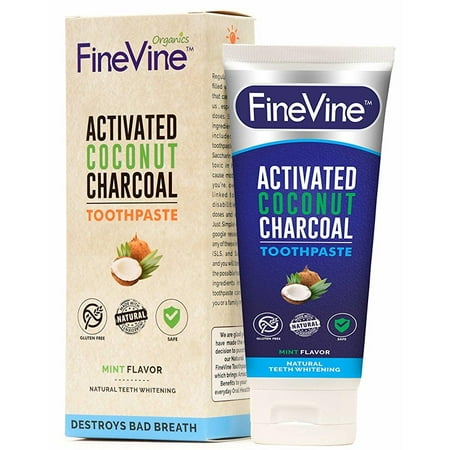
100% natural charcoal teeth whitening toothpaste charcoal toothpaste made in usa acti-vated charcoal toothpaste for healthy gums & pearly whites organic vegan coconut char-coal toothpaste whitening
Analysis updated July 2026 · How Scout scores
At a glance
Summary
This toothpaste contains beneficial ingredients like organic coconut oil, xylitol, and organic peppermint oil, which are known for their oral health benefits. However, the presence of activated charcoal, which can be abrasive, and sodium coco sulphate, a potential irritant, raises concerns. The product is processed, which limits its score despite the inclusion of several natural ingredients.
Key ingredients 13
XylitolVery Good
Xylitol is a natural sweetener that has been shown to reduce cavity-causing bacteria in the mouth. It helps to maintain a neutral pH level in the mouth, reducing the risk of tooth decay. Its inclusion in toothpaste is highly beneficial for oral health.
Risks
Xylitol is generally safe, but excessive consumption can cause digestive issues.
Benefits
Xylitol reduces the risk of cavities by inhibiting the growth of harmful bacteria.
Cocos Nucifera (Organic Coconut) OilGood
Coconut oil is known for its natural antibacterial properties, which can help reduce harmful bacteria in the mouth. It is often used in oil pulling practices to improve oral health. Its inclusion in toothpaste can contribute to healthier gums and fresher breath.
Risks
There are minimal risks associated with coconut oil, though some individuals may experience allergic reactions.
Benefits
Coconut oil can help reduce plaque buildup and improve gum health due to its antibacterial properties.
GlycerinGood
Beneficial ingredient — whole-food or functional value in this product class.
Risks
There are no significant risks associated with glycerin in toothpaste.
Benefits
Glycerin helps maintain the moisture and consistency of the toothpaste.
Mentha Piperita (Organic Peppermint Oil) ExtractGood
Peppermint oil is a natural antimicrobial agent that helps to freshen breath and reduce oral bacteria. It is commonly used in toothpaste for its flavor and oral health benefits. Its inclusion supports overall oral hygiene.
Risks
Peppermint oil can cause irritation in sensitive individuals.
Benefits
It provides a refreshing taste and helps reduce oral bacteria.
Gaultheria Procumbens (Organic Wintergreen) Leaf OilGood
Wintergreen oil is used for its flavor and potential antimicrobial properties. It helps to freshen breath and may contribute to reducing oral bacteria. Its inclusion in toothpaste is beneficial for oral hygiene.
Risks
Wintergreen oil can be irritating to some individuals if used in high concentrations.
Benefits
It provides a pleasant flavor and may help reduce oral bacteria.
AquaNeutral
Aqua, or water, is a common solvent used in toothpaste to dissolve other ingredients and provide the desired consistency. It does not have any direct benefits or risks associated with oral health. It serves as a neutral base for the formulation.
Risks
There are no known risks associated with water in toothpaste.
Benefits
Water helps to dissolve and evenly distribute other ingredients in the toothpaste.
Hydrated SilicaNeutral
Hydrated silica is used as an abrasive agent in toothpaste to help remove plaque and surface stains from teeth. It is generally considered safe in small amounts. However, excessive use can potentially lead to enamel wear.
Risks
Overuse of products containing hydrated silica may lead to enamel erosion.
Benefits
Hydrated silica helps in polishing teeth and removing surface stains.
Chondrus Crispus (Irish Moss) ExtractNeutral
Irish Moss extract is used as a thickening agent in toothpaste. It is derived from seaweed and is generally considered safe. It does not have direct oral health benefits.
Risks
There are no significant risks associated with Irish Moss extract in toothpaste.
Benefits
Irish Moss extract helps to stabilize and thicken the toothpaste formulation.
Sodium Coco SulphateNeutral
Sodium coco sulphate is a surfactant used to create foam in toothpaste, aiding in the cleaning process. It is considered milder than sodium lauryl sulfate. It does not have direct oral health benefits.
Risks
Some individuals may experience mild irritation from sodium coco sulphate.
Benefits
It helps in dispersing the toothpaste and cleaning the teeth effectively.
Stevia Rebaudiana ExtractNeutral
Standard formulation ingredient — neither beneficial nor harmful at typical use.
Risks
Stevia is generally safe, but some individuals may experience digestive discomfort.
Benefits
Stevia sweetens toothpaste without increasing the risk of cavities.
Activated Carbon (from Coconuts)Bad
Activated charcoal is used for its whitening properties, but it is highly abrasive and can damage tooth enamel over time. Its use in toothpaste is controversial due to potential enamel erosion. It should be used with caution.
Risks
Activated charcoal can lead to enamel erosion and increased tooth sensitivity.
Benefits
It may help in removing surface stains temporarily, giving a whitening effect.
Natural FlavorsBad
Umbrella term that can hide dozens of undisclosed synthetic constituents.
Risks
There are minimal risks associated with natural flavors, though sensitivities can occur.
Benefits
Natural flavors improve the taste of toothpaste, encouraging regular use.
Titanium DioxideVery Bad
Heavily flagged ingredient class under Scout's doctrine.
Risks
There are concerns about its safety in nanoparticle form, but it is generally safe in toothpaste.
Benefits
Titanium dioxide provides a visually appealing white color to the toothpaste.
Get the full breakdown in the Scout appTake Scout shopping
Scan any product to see lab results, healthy alternatives, and your personalized analysis.
Download on theApp Store GET IT ONGoogle Play