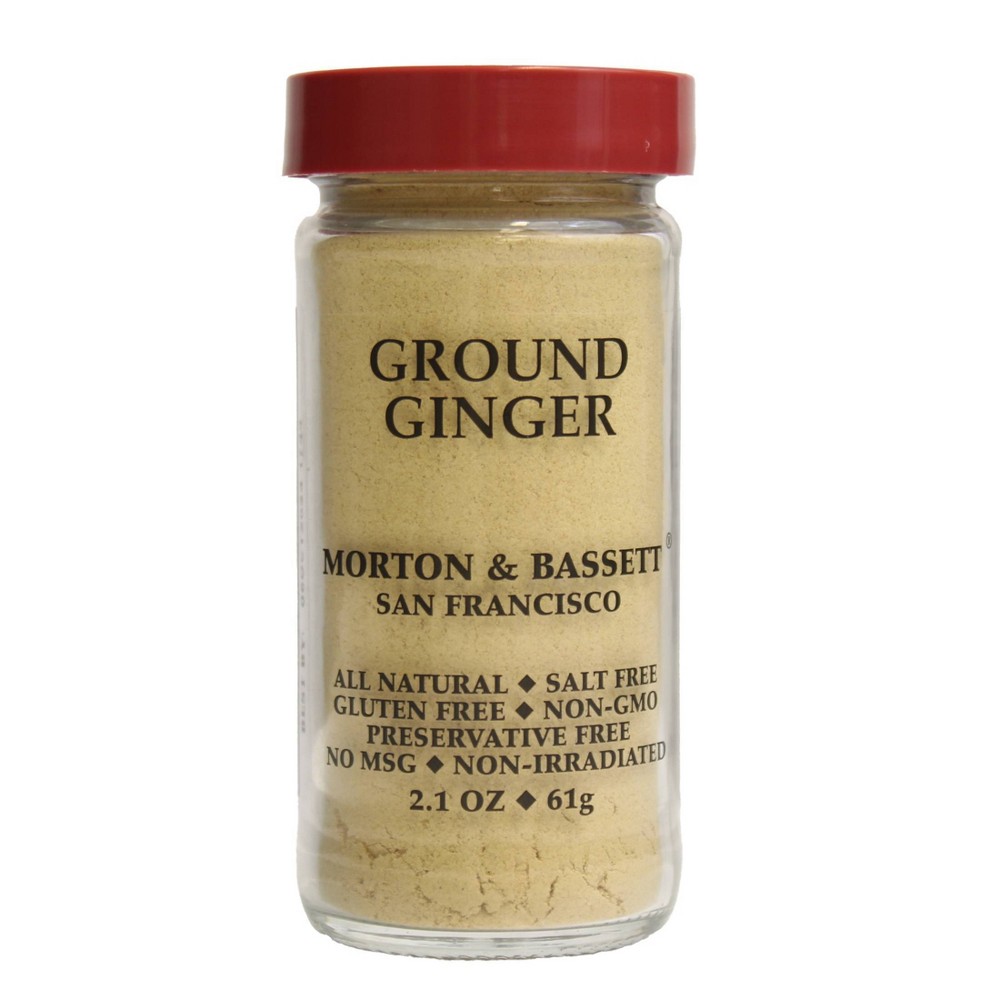
Ginger

At a glance
Summary
Ginger is a minimally processed whole food known for its anti-inflammatory and antioxidant properties. It is used in its natural form, retaining all beneficial compounds, and is recognized for aiding digestion and reducing nausea. The lack of additives and processing makes it an excellent choice for health-conscious consumers. Its plastic packaging can shed microplastics into the food and lowers its score.
Key ingredients 1
GingerVery Good
Ginger is a natural root known for its anti-inflammatory and antioxidant properties. It is minimally processed and often used in its whole form, retaining its beneficial compounds. Ginger is widely recognized for its ability to aid digestion and reduce nausea.
Benefits
Ginger is rich in bioactive compounds that can help reduce inflammation and oxidative stress. It is also known to support digestive health and alleviate nausea.
Processing
Unprocessed or Minimally Processed Foods
Get the full breakdown in the Scout appTake Scout shopping
Scan any product to see lab results, healthy alternatives, and your personalized analysis.