
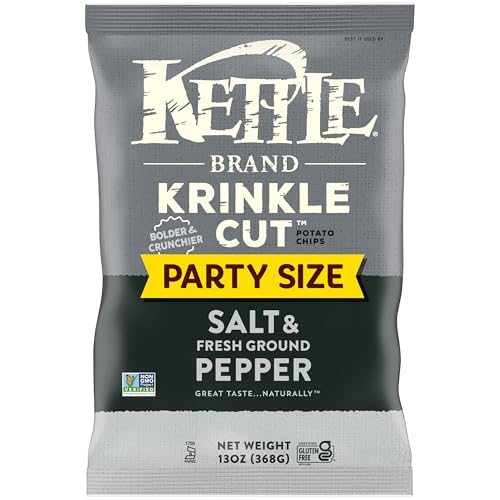

Krinkle Cut Potato Chips
Summary
The product contains potatoes, a whole food ingredient, which is beneficial. However, the use of vegetable oil, which is high in omega-6 fatty acids and often processed with heat and chemicals, is a significant concern. The product is moderately processed, which limits its healthiness despite having a relatively short ingredient list.
At a glance
Key ingredients 9
PotatoesGood
Potatoes are a whole food providing carbohydrates and fiber. They are minimally processed when used in chips, retaining some nutritional value. Potatoes also contain vitamins and minerals such as vitamin C and potassium.
Risks
Frying potatoes can increase acrylamide content, a potential carcinogen.
Benefits
Potatoes are a source of energy and provide essential nutrients like vitamin C and potassium.
Vegetable oilVery Bad
Vegetable oils often contain high levels of omega-6 fatty acids, which can promote inflammation. These oils are typically extracted using high heat and chemicals, which can degrade their quality. The use of vegetable oil in frying can lead to the formation of trans fats.
Risks
High omega-6 content may promote inflammation when consumed in excess.
Rice flourNeutral
Rice flour is a gluten-free alternative to wheat flour, often used in processed foods. It is a refined carbohydrate with limited nutritional value. While it provides energy, it lacks fiber and essential nutrients found in whole grains.
Benefits
Provides a gluten-free option for those with celiac disease or gluten sensitivity.
SaltNeutral
Salt is used to enhance flavor and preserve food. While essential in small amounts, excessive consumption can lead to hypertension and cardiovascular issues. It is a common additive in processed foods.
Risks
Excessive salt intake can lead to high blood pressure and increased risk of heart disease.
Benefits
Essential for maintaining fluid balance and nerve function in the body.
Black and white pepperNeutral
Black and white pepper are spices used to enhance flavor. They contain piperine, which may have anti-inflammatory properties. These spices are minimally processed and add depth to the flavor profile.
Benefits
May have anti-inflammatory properties due to the presence of piperine.
Yeast extractNeutral
Yeast extract is used as a flavor enhancer, providing umami taste. It is a source of B vitamins and amino acids. However, it can be high in sodium and may contain glutamates, which some individuals are sensitive to.
Risks
May contain glutamates, which can cause sensitivity in some individuals.
Benefits
Provides B vitamins and amino acids, enhancing the nutritional profile.
Garlic powderNeutral
Garlic powder is a dehydrated form of garlic used for flavoring. It retains some of the beneficial compounds found in fresh garlic, such as allicin. However, the processing may reduce its overall nutritional value.
Benefits
Contains allicin, which may have antimicrobial and cardiovascular benefits.
Onion powderNeutral
Onion powder is made from dehydrated onions and is used to add flavor. It retains some of the beneficial compounds found in fresh onions, such as quercetin. The drying process may reduce its nutritional content.
Benefits
Contains quercetin, which may have antioxidant properties.
Citric acidNeutral
Citric acid is a natural preservative and flavor enhancer. It is commonly used in processed foods to add acidity and extend shelf life. While generally recognized as safe, excessive consumption can lead to dental erosion.
Risks
Excessive consumption may lead to dental erosion.
Benefits
Acts as a preservative and enhances flavor by adding acidity.
Processing
Processed Foods
Get the full breakdown in the Scout app
Scan any product to see lab results, healthy alternatives, and your personalized analysis.
Download on theApp Store