


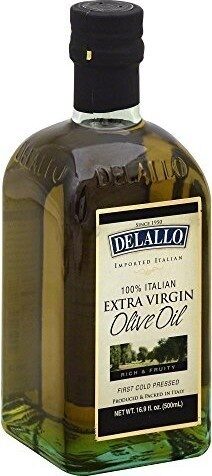
Bowl And Basket Olive oil
Analysis updated August 2026 · How Scout scores
At a glance
Summary
This olive oil is a high-quality product with minimal processing, containing beneficial monounsaturated and polyunsaturated fatty acids like oleic and linoleic acid. These components are known for their positive effects on heart health and inflammation reduction. The product's clean label and lack of harmful additives contribute to its excellent rating.
Key ingredients 3
Oleic AcidNeutral
Oleic acid is a monounsaturated fat that is naturally abundant in olive oil, contributing to its stability and healthful profile.
See more about Oleic Acid →Linoleic AcidNeutral
Linoleic acid is an essential polyunsaturated fat found in olive oil, important for maintaining cell health and function.
See more about Linoleic Acid →Palmitic AcidNeutral
Palmitic acid is a common saturated fat present in olive oil, which is typical in many plant-based oils and contributes to its structure.
See more about Palmitic Acid →Processing
Processed Culinary Ingredients
Get the full breakdown in the Scout appTake Scout shopping
Scan any product to see lab results, healthy alternatives, and your personalized analysis.
Download on theApp Store GET IT ONGoogle PlayAmazon pricing & content
Amazon price as of . Product prices and availability are accurate as of the date/time indicated and are subject to change. Any price and availability information displayed on Amazon.com at the time of purchase will apply to the purchase of this product.
CERTAIN CONTENT THAT APPEARS ON THIS SITE COMES FROM AMAZON. THIS CONTENT IS PROVIDED “AS IS” AND IS SUBJECT TO CHANGE OR REMOVAL AT ANY TIME.