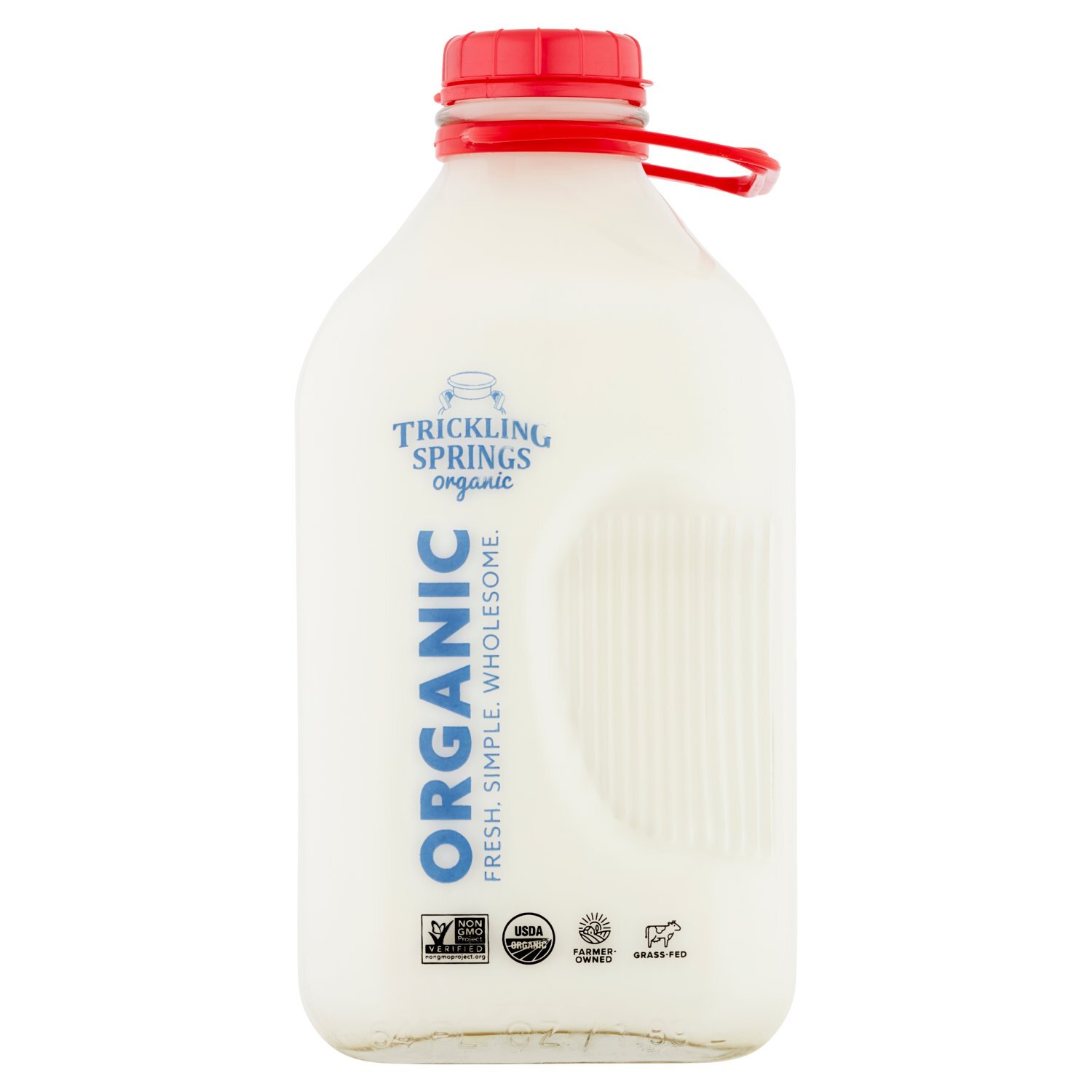
Whole milk

At a glance
Summary
Whole milk is a minimally processed product that retains its natural nutritional profile, providing essential nutrients such as calcium, protein, and vitamin D. It is free from harmful additives and artificial ingredients, making it a healthy choice within its category. The processing level is low, which helps preserve the milk's beneficial properties. Its plastic packaging can shed microplastics into the food and lowers its score.
Key ingredients 2
MilkGood
Milk is a natural source of essential nutrients including calcium, protein, and vitamins. It is minimally processed, retaining its nutritional profile. Compared to plant-based alternatives, it provides a complete amino acid profile and is rich in bioavailable nutrients.
Risks
Some individuals may be lactose intolerant or allergic to milk proteins, which can cause digestive discomfort or allergic reactions.
Benefits
Rich in calcium and vitamin D, which are crucial for bone health. Provides high-quality protein and essential fatty acids.
Vitamin DNeutral
Vitamin D is added to milk to enhance its nutritional value, supporting bone health and immune function. It is typically added in small, safe amounts. While beneficial, it is not naturally occurring in milk and is added to meet dietary needs.
Benefits
Supports calcium absorption and bone health. May enhance immune function and reduce inflammation.
Processing
Unprocessed or Minimally Processed Foods
Get the full breakdown in the Scout appTake Scout shopping
Scan any product to see lab results, healthy alternatives, and your personalized analysis.
Are you Bowl & Basket? Fix an error Get the badge Get tested