


At a glance
Summary
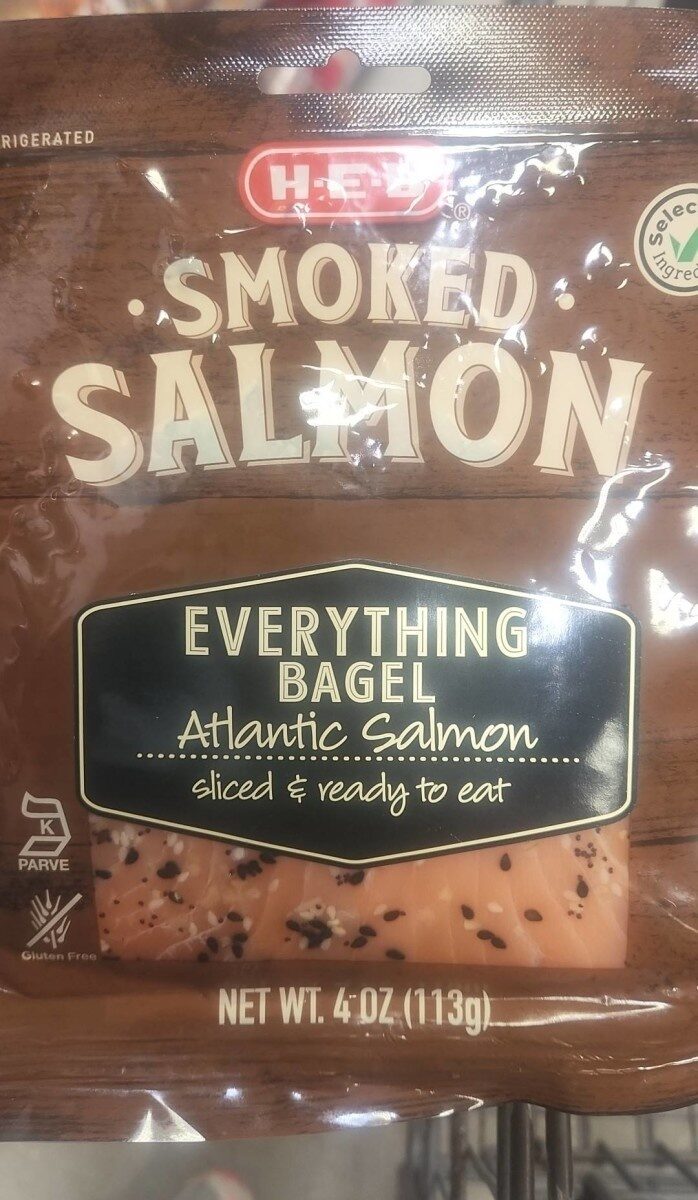
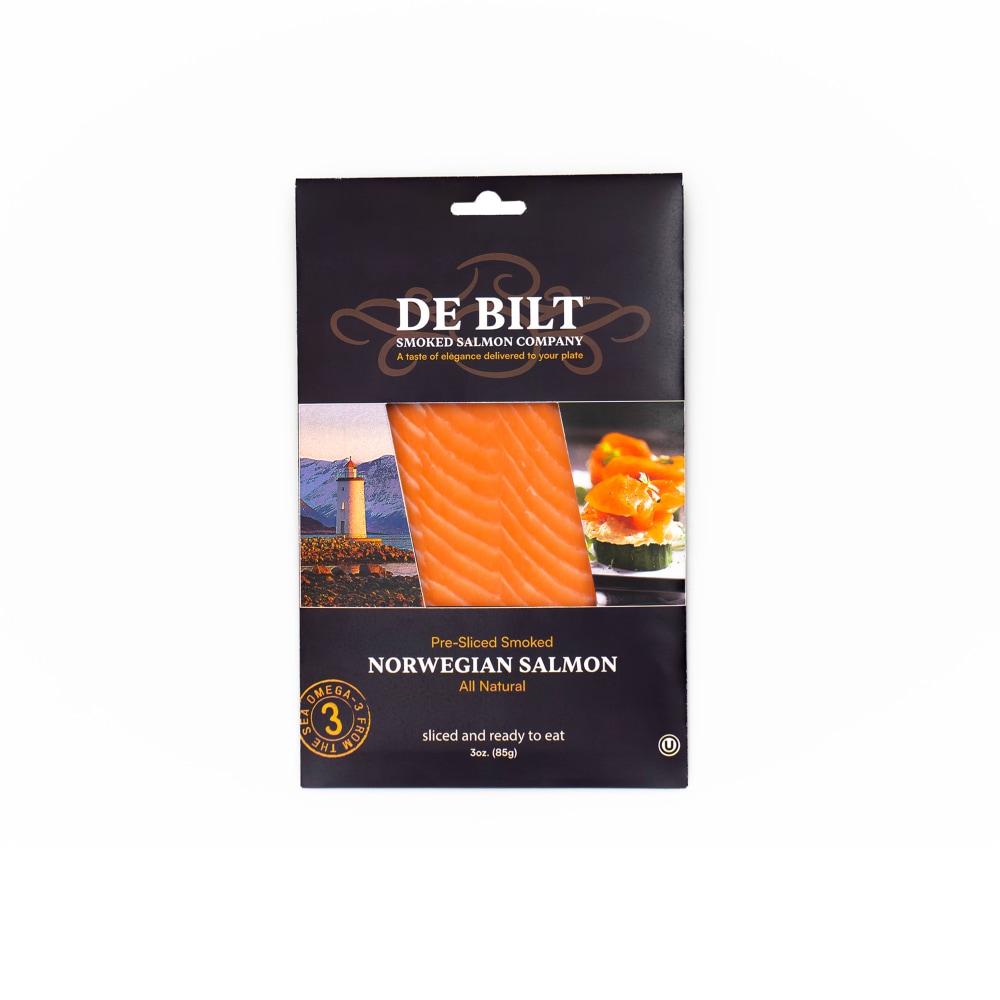
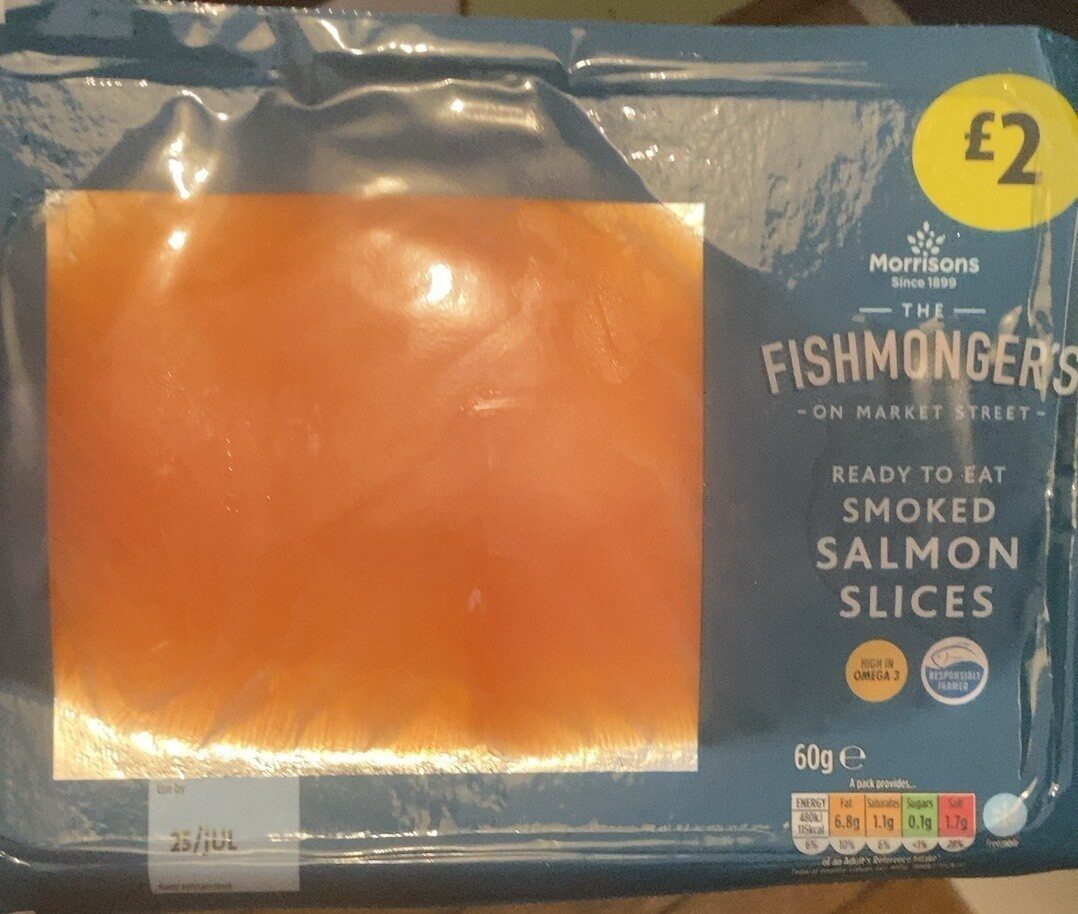
This smoked salmon product contains high-quality Atlantic salmon, which is a good source of protein and omega-3 fatty acids. However, it is processed with added color and salt, which slightly detracts from its nutritional profile. The use of natural hardwood smoke is a traditional method, but the overall processing level limits its score.
Key ingredients 4
Atlantic SalmonGood
Atlantic Salmon is a high-quality source of protein and omega-3 fatty acids, which are beneficial for heart health. The addition of color is a common practice to enhance visual appeal but does not significantly alter nutritional value. Salmon is generally considered a nutritious choice, providing essential nutrients like vitamin D and selenium.
Risks
Potential risks include the presence of contaminants like PCBs and dioxins, though these are typically within safe limits for consumption.
Benefits
Rich in omega-3 fatty acids that support cardiovascular health and reduce inflammation. Provides high-quality protein and essential nutrients such as vitamin D and selenium.
SaltNeutral
Salt is used as a preservative and flavor enhancer in smoked salmon. It is a common ingredient in processed foods and contributes to the overall sodium content. While necessary for flavor, excessive consumption can lead to health issues such as hypertension.
Risks
High sodium intake is associated with increased risk of hypertension and cardiovascular diseases.
Celery PowderNeutral
Celery powder is often used as a natural preservative due to its nitrate content. It is considered a cleaner alternative to synthetic preservatives. While it contributes to the preservation process, it does not significantly impact the nutritional profile.
Risks
Contains naturally occurring nitrates, which can form nitrosamines, compounds with potential health risks when consumed in large amounts.
Benefits
Acts as a natural preservative, reducing the need for synthetic additives.
Natural Hardwood SmokeNeutral
Natural hardwood smoke is used to impart flavor and aid in preservation. It is a traditional method of processing fish, enhancing taste without the need for artificial additives. While it adds flavor, it does not contribute significant nutritional value.
Risks
Potential formation of polycyclic aromatic hydrocarbons (PAHs) during smoking, which are considered carcinogenic in high amounts.
Benefits
Enhances flavor naturally without artificial additives.
Processing
Processed Foods
Get the full breakdown in the Scout appTake Scout shopping
Scan any product to see lab results, healthy alternatives, and your personalized analysis.
Download on theApp Store GET IT ONGoogle Play