



At a glance
Summary
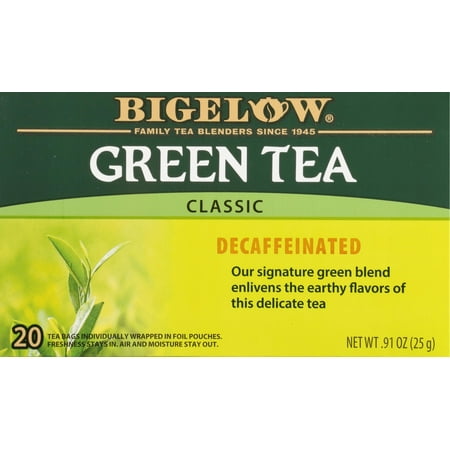
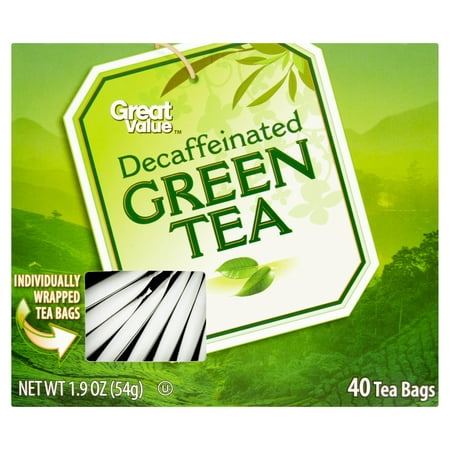
This decaffeinated green tea contains beneficial ingredients like hibiscus, cranberry, and blueberry, which are minimally processed and rich in antioxidants. However, the presence of 'natural flavor' introduces a moderate concern due to its highly processed nature and lack of transparency. Despite this, the overall ingredient quality and low processing level contribute to a favorable score.
Key ingredients 7
Decaffeinated Green TeaVery Good
Decaffeinated green tea retains many of the beneficial antioxidants found in regular green tea, such as catechins and EGCG, which support heart health and provide anti-inflammatory effects. The decaffeination process removes most of the caffeine, making it suitable for those sensitive to caffeine. It is a natural ingredient with minimal processing, contributing positively to overall health.
Benefits
Rich in antioxidants that support cardiovascular health and may aid in weight management.
HibiscusGood
Hibiscus is known for its high antioxidant content, particularly anthocyanins, which may help lower blood pressure and improve heart health. It is a natural ingredient with minimal processing. The vibrant color and tart flavor enhance the sensory experience of the tea.
Risks
Excessive consumption may lead to a drop in blood pressure, which could be a concern for individuals with hypotension.
Benefits
Contains antioxidants that may support cardiovascular health and provide anti-inflammatory benefits.
CranberryGood
Cranberries are rich in vitamin C and antioxidants, which can support immune function and reduce oxidative stress. They are minimally processed when used in teas, retaining most of their beneficial properties. The natural tartness of cranberries can enhance the flavor profile of the tea.
Benefits
Provides antioxidants and vitamin C, supporting immune health and reducing oxidative stress.
BlueberryGood
Blueberries are high in antioxidants, particularly anthocyanins, which may improve brain health and reduce inflammation. They are a natural ingredient with minimal processing in teas. The sweet and tangy flavor of blueberries can enhance the taste of the beverage.
Benefits
Rich in antioxidants that support brain health and provide anti-inflammatory effects.
SafflowerNeutral
Safflower is often used for its color and mild flavor in teas, but it does not provide significant nutritional benefits. It is a natural ingredient with minimal processing. While it adds aesthetic value, its health impact is relatively neutral.
CornflowerNeutral
Cornflower is primarily used for its visual appeal and mild flavor in teas, with no significant nutritional benefits. It is a natural ingredient with minimal processing. Its contribution is mainly aesthetic, enhancing the visual presentation of the tea.
Natural FlavorBad
Natural flavors are often used to enhance taste but can be highly processed and lack transparency regarding their specific components. They may contain a variety of chemical compounds derived from natural sources. The lack of clarity about their composition can be a concern for those with allergies or sensitivities.
Risks
Potential allergenicity and lack of transparency in ingredient composition.
Processing
Processed Culinary Ingredients
Get the full breakdown in the Scout appTake Scout shopping
Scan any product to see lab results, healthy alternatives, and your personalized analysis.
Download on theApp Store GET IT ONGoogle Play