
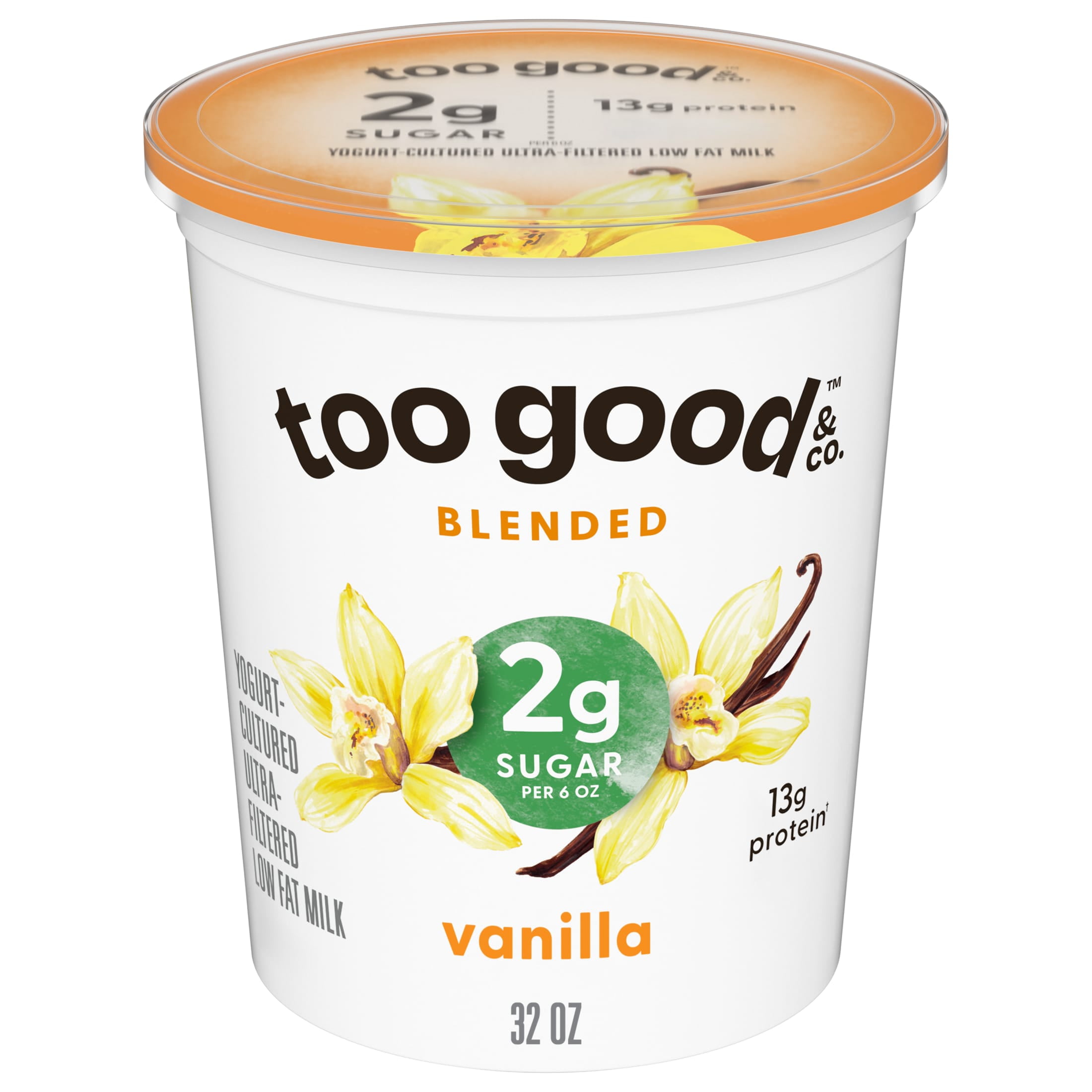

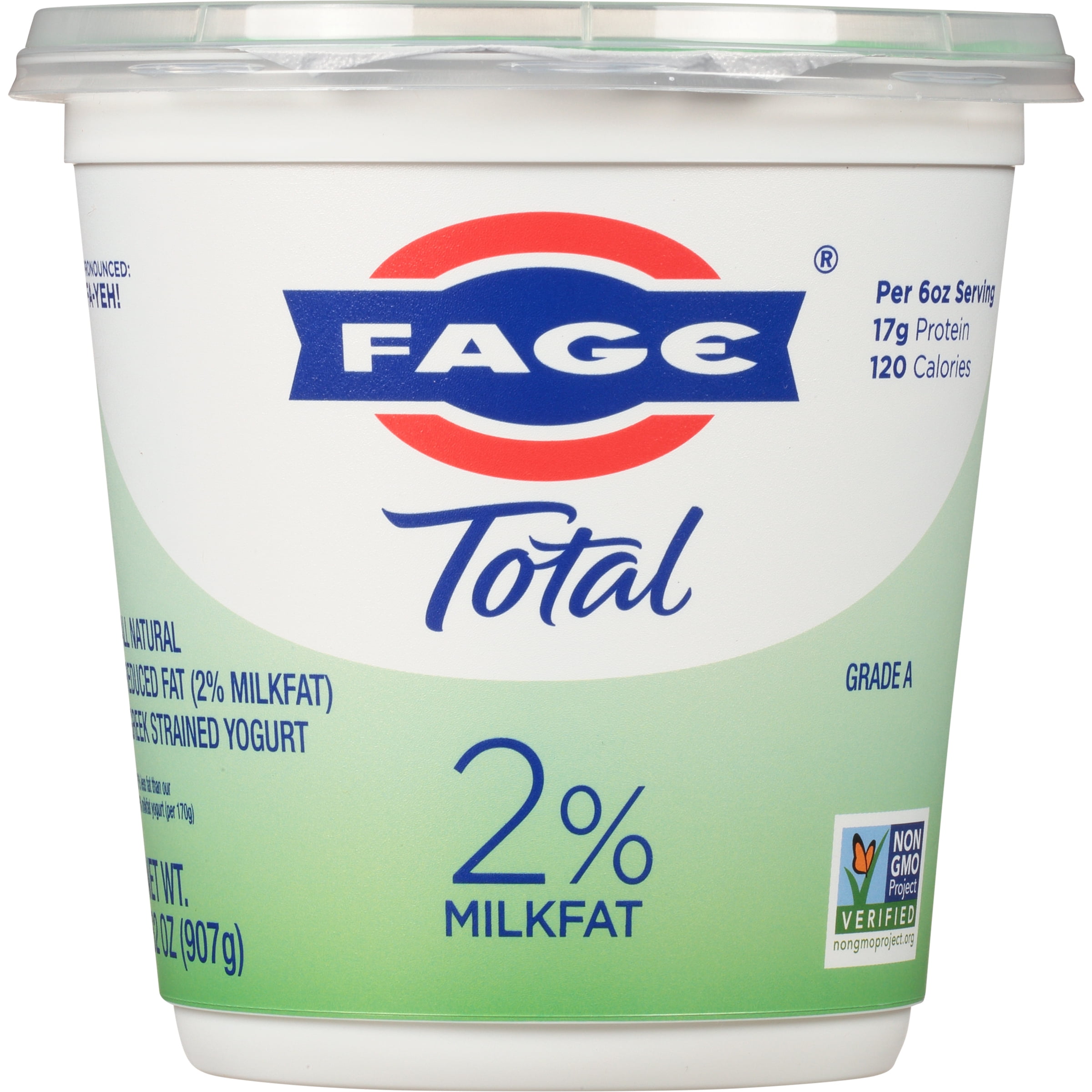


LOWFAT YOGURT
Summary
This low-fat yogurt is heavily processed, containing several additives such as carrageenan and potassium sorbate, which are used for texture and preservation but may cause digestive issues in some individuals. The presence of added sugar and natural flavors further detracts from its healthiness, as these ingredients contribute to increased calorie content without nutritional benefits. Despite being a yogurt product, its ultra-processed nature and inclusion of controversial additives limit its overall health score.
At a glance
Key ingredients 14
Cultured Pasteurized Grade A Low Fat MilkNeutral
This ingredient is a primary component of yogurt, providing a source of protein and calcium. It is pasteurized to ensure safety by eliminating harmful bacteria. However, as a low-fat option, it may lack some of the beneficial fats found in whole milk.
Benefits
Provides protein and calcium, essential for bone health and muscle function.
MilkNeutral
Milk is a fundamental ingredient in yogurt, offering essential nutrients like calcium and vitamin D. It is a natural source of lactose, which can be a concern for lactose-intolerant individuals. The quality of milk can vary based on the source and treatment.
Risks
May cause digestive issues for lactose-intolerant individuals.
Benefits
Rich in calcium and vitamin D, supporting bone health.
SugarBad
Sugar is added to enhance the sweetness of the yogurt, but it contributes to increased calorie content without nutritional benefits. Excessive sugar intake is linked to various health issues, including obesity and metabolic disorders. It is a refined carbohydrate with no essential nutrients.
Risks
Excessive consumption can lead to obesity, diabetes, and other metabolic disorders.
WaterNeutral
Water is used to adjust the consistency and texture of the yogurt. It is a neutral ingredient with no direct nutritional impact. The quality of water used can affect the overall safety and purity of the product.
See more about Water →Modified Food StarchNeutral
Modified food starch is used as a thickening agent to improve the texture of the yogurt. It is derived from starches that have been chemically altered to enhance their properties. While generally safe, it provides no nutritional benefits.
See more about Modified Food Starch →Calcium PhosphateNeutral
Calcium phosphate is added to fortify the yogurt with calcium, supporting bone health. It is a common food additive used to enhance nutritional content. While beneficial for bone health, excessive intake can lead to imbalances.
Risks
Excessive intake may lead to calcium imbalances.
Benefits
Supports bone health by providing additional calcium.
Natural FlavorBad
Natural flavors are used to enhance the taste of the yogurt but can be a catch-all term for various compounds. The lack of transparency about the specific sources and processing methods is a concern. They may contain allergens or other substances not disclosed on the label.
Risks
Potential allergens and undisclosed compounds may pose health risks.
PectinNeutral
Pectin is a natural thickening agent derived from fruits, used to improve the texture of the yogurt. It is generally recognized as safe and can aid in digestion. However, it provides no significant nutritional benefits.
Benefits
May aid in digestion due to its fiber content.
CarrageenanBad
Carrageenan is used as a thickener and stabilizer in the yogurt. It is derived from red seaweed but has been linked to digestive issues and inflammation in some studies. Its safety is debated, and it may cause gastrointestinal discomfort in sensitive individuals.
Risks
Linked to digestive issues and inflammation in some studies.
Citric AcidNeutral
Citric acid is used as a preservative and to add tartness to the yogurt. It is naturally found in citrus fruits and is generally recognized as safe. However, excessive consumption can lead to dental erosion.
Risks
Excessive consumption may lead to dental erosion.
Benefits
Acts as a preservative and enhances flavor.
Potassium SorbateNeutral
Potassium sorbate is a preservative used to maintain freshness by inhibiting mold and yeast growth. It is widely used in the food industry and is considered safe in small amounts. However, some individuals may experience allergic reactions.
Risks
May cause allergic reactions in sensitive individuals.
Benefits
Helps maintain product freshness by preventing spoilage.
Turmeric And Annatto ExtractNeutral
These extracts are used for coloring and may provide some antioxidant properties. Turmeric is known for its anti-inflammatory effects, while annatto is a natural colorant. However, the amounts used are typically too small to offer significant health benefits.
Benefits
May provide minor antioxidant benefits.
Vitamin A PalmitateNeutral
Vitamin A palmitate is added to fortify the yogurt with vitamin A, supporting vision and immune function. It is a synthetic form of vitamin A and is generally considered safe. However, excessive intake can lead to toxicity.
Risks
Excessive intake may lead to vitamin A toxicity.
Benefits
Supports vision and immune function by providing vitamin A.
Vitamin DNeutral
Vitamin D is added to enhance the nutritional profile of the yogurt, supporting bone health and immune function. It is essential for calcium absorption and is generally safe in recommended amounts. However, excessive intake can lead to toxicity.
Risks
Excessive intake may lead to vitamin D toxicity.
Benefits
Supports bone health and immune function by aiding calcium absorption.
Processing
Ultra-Processed Foods
Get the full breakdown in the Scout app
Scan any product to see lab results, healthy alternatives, and your personalized analysis.
Download on theApp Store