
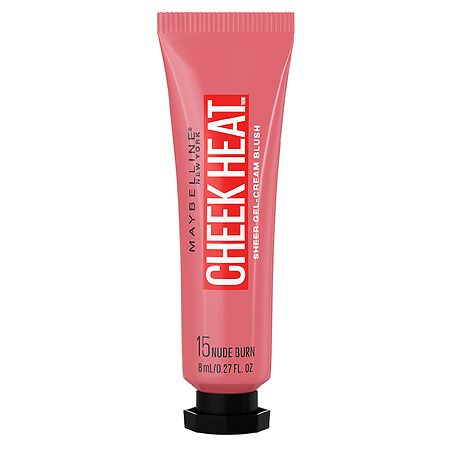



Maybelline Cheek Heat Blush Nude Burn - 0.27 fl oz
Analysis updated August 2026 · How Scout scores
At a glance
Summary
This blush contains beneficial ingredients like Caprylic/Capric Glycerides, Dipotassium Glycyrrhizate, and Trehalose, which provide emollient, soothing, and moisturizing properties. However, the presence of synthetic ingredients such as PEG compounds and dimethicone, along with the processed nature of the product, lowers its overall safety score. The inclusion of these synthetic components suggests a moderate level of processing, which impacts the rating.
Key ingredients 12
Caprylic/Capric GlyceridesGood
Caprylic/Capric Glycerides are derived from coconut oil and glycerin. They are used as emollients and skin-conditioning agents. They are well-tolerated and provide a lightweight, non-greasy feel.
Risks
There are minimal risks associated with this ingredient, though it may cause mild irritation in very sensitive skin.
Benefits
They help to moisturize and soften the skin, improving the overall feel of the product.
Dipotassium GlycyrrhizateGood
Dipotassium Glycyrrhizate is derived from licorice root and is known for its soothing and anti-inflammatory properties. It is used to calm irritated skin and reduce redness. It is considered beneficial for sensitive skin.
Risks
There are minimal risks, though overuse may lead to skin sensitivity.
Benefits
It helps to soothe and calm the skin, making it ideal for sensitive or irritated skin types.
MicaGood
Beneficial ingredient — whole-food or functional value in this product class.
Risks
Inhalation of mica particles can be a concern in loose powder forms.
Benefits
It provides a natural shimmer and enhances the visual appeal of makeup products.
TrehaloseGood
Trehalose is a sugar used as a moisturizer and antioxidant in cosmetics. It helps to protect the skin from dehydration and oxidative stress. It is considered beneficial for maintaining skin hydration.
Risks
There are minimal risks associated with its use in cosmetics.
Benefits
It helps to hydrate the skin and protect it from environmental stressors.
AquaNeutral
Aqua, or water, is a common solvent used in cosmetics. It helps to dissolve other ingredients and provides a base for the formulation. It is generally considered safe and non-irritating.
Risks
There are no significant risks associated with water in cosmetics.
Benefits
Water helps to hydrate the skin and is essential for the formulation of many cosmetic products.
Butylene GlycolNeutral
Butylene Glycol is a common humectant used in cosmetics to retain moisture. It also helps to improve the texture and spreadability of products. It is generally considered safe for use in cosmetics.
Risks
In rare cases, it may cause irritation or allergic reactions in sensitive individuals.
Benefits
It helps to keep the skin hydrated and enhances the texture of cosmetic formulations.
Caprylyl GlycolNeutral
Caprylyl Glycol is a skin-conditioning agent that also acts as a preservative booster. It helps to improve the shelf life of products by enhancing the efficacy of preservatives. It is generally considered safe for use in cosmetics.
Risks
It may cause mild irritation in sensitive skin types.
Benefits
It helps to condition the skin and supports the preservation of cosmetic formulations.
Ethylhexyl PalmitateNeutral
Ethylhexyl Palmitate is an ester of 2-ethylhexyl alcohol and palmitic acid. It is used as an emollient and thickening agent in cosmetics. It provides a smooth application and is generally considered safe.
Risks
It may cause mild irritation or breakouts in sensitive or acne-prone skin.
Benefits
It helps to improve the texture and spreadability of cosmetic products.
PEG-240/HDI Copolymer Bis-Decyltetradeceth-20 EtherNeutral
This ingredient is a synthetic polymer used as a film-forming agent and emulsifier. It helps to stabilize formulations and improve texture. It is generally considered safe for use in cosmetics.
Risks
There is a potential for skin irritation, especially in sensitive individuals.
Benefits
It helps to stabilize and improve the texture of cosmetic formulations.
CI 77491Neutral
CI 77491 is a red iron oxide pigment used to provide color in cosmetics. It is a stable and non-toxic colorant. It is considered safe for use in cosmetics.
Risks
There are minimal risks associated with its use in cosmetics.
Benefits
It provides a natural red hue to cosmetic products.
CI 77492Neutral
CI 77492 is a yellow iron oxide pigment used for coloring cosmetics. It is stable and non-toxic, making it a popular choice for color cosmetics. It is considered safe for use in cosmetics.
Risks
There are minimal risks associated with its use in cosmetics.
Benefits
It provides a natural yellow hue to cosmetic products.
DimethiconeBad
Occlusive silicone film-former — flagged under clean-beauty doctrine.
Risks
It may cause breakouts in acne-prone skin due to its occlusive nature.
Benefits
It provides a smooth, silky texture and helps to retain moisture in the skin.
Processing
Processed Foods
Get the full breakdown in the Scout appTake Scout shopping
Scan any product to see lab results, healthy alternatives, and your personalized analysis.
Download on theApp Store GET IT ONGoogle PlayAmazon pricing & content
Amazon price as of . Product prices and availability are accurate as of the date/time indicated and are subject to change. Any price and availability information displayed on Amazon.com at the time of purchase will apply to the purchase of this product.
CERTAIN CONTENT THAT APPEARS ON THIS SITE COMES FROM AMAZON. THIS CONTENT IS PROVIDED “AS IS” AND IS SUBJECT TO CHANGE OR REMOVAL AT ANY TIME.