


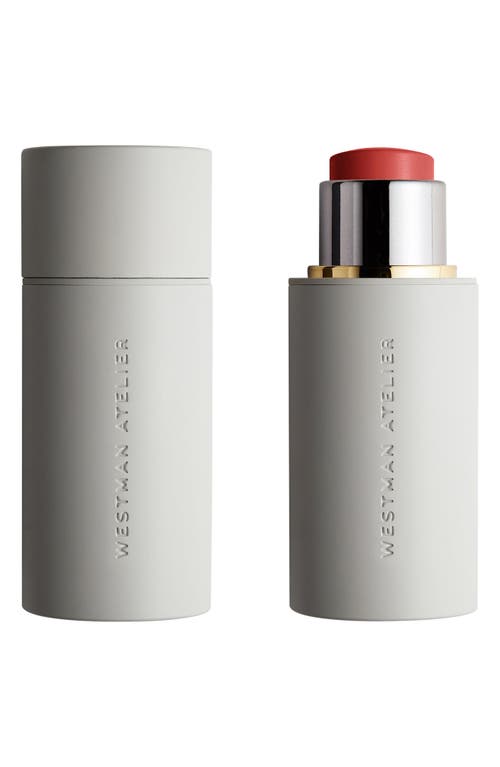

Too Faced Cloud Crush Blurring Blush - Watermelon Rain - 0.17oz - Ulta Beauty: Buildable Cheek Makeup, Pressed Powder
Analysis updated July 2026 · How Scout scores
At a glance
Summary
This blush contains a mix of natural and synthetic ingredients. While it includes beneficial components like Iris Florentina Root Extract and Retinyl Palmitate, it also contains synthetic fragrance, which can be a skin irritant, and artificial colorants such as Blue 1 Lake and Red 28 Lake. The presence of these synthetic additives and the fragrance results in a moderate processing level, impacting the overall safety and cleanliness of the product.
Key ingredients 25
Caprylic/Capric TriglycerideVery Good
Caprylic/Capric Triglyceride is derived from coconut oil and glycerin. It is used as an emollient and helps to moisturize the skin. It is well-tolerated and non-irritating.
Risks
Rarely causes skin irritation.
Benefits
Provides excellent skin conditioning and moisturizing properties.
MicaGood
Beneficial ingredient — whole-food or functional value in this product class.
Risks
Potential contamination with heavy metals if not properly sourced.
Benefits
Provides a natural shimmer and glow to cosmetic products.
GlycerinGood
Glycerin is a well-known humectant that attracts moisture to the skin. It is widely used in cosmetics for its moisturizing properties. It is safe and effective for all skin types.
Risks
Generally considered safe with minimal risks.
Benefits
Provides excellent hydration and improves skin barrier function.
Leuconostoc/Radish Root Ferment FiltrateGood
This ingredient is used as a natural preservative with antimicrobial properties. It is derived from fermented radish root. It is considered safe and effective in cosmetics.
Risks
Minimal risks associated with its use.
Benefits
Provides natural preservation and antimicrobial benefits.
Retinyl PalmitateGood
Retinyl Palmitate is a form of Vitamin A used for its anti-aging benefits. It helps to improve skin texture and reduce the appearance of fine lines. It is generally considered safe for use in cosmetics.
Risks
May cause irritation in sensitive skin types.
Benefits
Improves skin texture and provides anti-aging benefits.
KaolinGood
Beneficial ingredient — whole-food or functional value in this product class.
Risks
Minimal risks associated with its use.
Benefits
Absorbs excess oil and provides a matte finish.
AluminaNeutral
Alumina is used as an abrasive and thickening agent in cosmetics. It is generally considered safe for topical use. However, inhalation of alumina dust can be harmful.
Risks
Inhalation of alumina dust can cause respiratory issues.
Benefits
Acts as a thickening agent and provides a smooth texture.
Zinc StearateNeutral
Zinc stearate is used as a lubricant and thickening agent in cosmetics. It is generally considered safe for use in makeup products. There are minimal risks associated with its use.
Risks
Minimal risks when used in cosmetics.
Benefits
Improves texture and spreadability of products.
Octyldodecyl Stearoyl StearateNeutral
This ingredient is used as an emollient and thickening agent in cosmetics. It is generally considered safe for use in topical products. It helps to improve the texture and feel of the product.
Risks
Minimal risks associated with topical use.
Benefits
Enhances the texture and spreadability of cosmetic products.
MethylpropanediolNeutral
Methylpropanediol is used as a solvent and skin conditioning agent. It is generally considered safe for use in cosmetics. It helps to improve the penetration of other ingredients.
Risks
May cause mild irritation in sensitive individuals.
Benefits
Improves skin hydration and enhances ingredient penetration.
Caprylyl GlycolNeutral
Standard formulation ingredient — neither beneficial nor harmful at typical use.
Risks
Rarely causes skin irritation.
Benefits
Enhances skin hydration and provides antimicrobial benefits.
Iris Florentina Root ExtractNeutral
This botanical extract is used for its fragrance and potential skin benefits. It is generally considered safe for use in cosmetics. However, its efficacy in skincare is not well-documented.
Risks
Potential for allergic reactions in sensitive individuals.
Benefits
May provide antioxidant benefits and improve skin texture.
PhenylpropanolNeutral
Phenylpropanol is used as a fragrance ingredient and preservative. It is generally considered safe for use in cosmetics. However, it may cause irritation in sensitive individuals.
Risks
Potential for skin irritation in sensitive individuals.
Benefits
Provides fragrance and preservation benefits.
Zinc SulfateNeutral
Zinc Sulfate is used for its astringent and antimicrobial properties. It is generally considered safe for use in cosmetics. It helps to control oil and reduce acne.
Risks
May cause irritation if used in high concentrations.
Benefits
Provides antimicrobial benefits and helps control oil production.
CoumarinNeutral
Coumarin is used as a fragrance ingredient in cosmetics. It is generally considered safe in low concentrations. However, it can cause allergic reactions in sensitive individuals.
Risks
Potential for allergic reactions in sensitive individuals.
Benefits
Provides a pleasant scent to cosmetic products.
Sodium DehydroacetateNeutral
Sodium Dehydroacetate is used as a preservative in cosmetics. It is effective in preventing microbial growth. It is generally considered safe for use in cosmetics.
Risks
Minimal risks associated with its use.
Benefits
Provides effective preservation and extends product shelf life.
Titanium Dioxide (CI 77891)Neutral
Titanium Dioxide is used as a pigment and UV filter in cosmetics. It is generally considered safe for use in topical products. However, inhalation of its powder form can be harmful.
Risks
Inhalation of powder form can cause respiratory issues.
Benefits
Provides pigmentation and UV protection in cosmetics.
Iron Oxides (CI 77491, CI 77492, CI 77499)Neutral
Iron Oxides are used as pigments in cosmetics. They are generally considered safe for use in topical products. They provide natural color to cosmetic formulations.
Risks
Minimal risks associated with their use.
Benefits
Provide natural pigmentation to cosmetic products.
Blue 1 Lake (CI 42090)Neutral
Blue 1 Lake is a synthetic dye used for coloring cosmetics. It is generally considered safe for use in cosmetics. However, it may cause allergic reactions in sensitive individuals.
Risks
Potential for allergic reactions in sensitive individuals.
Benefits
Provides vibrant color to cosmetic products.
Red 28 Lake (CI 45410)Neutral
Red 28 Lake is a synthetic dye used for coloring cosmetics. It is generally considered safe for use in cosmetics. However, it may cause allergic reactions in sensitive individuals.
Risks
Potential for allergic reactions in sensitive individuals.
Benefits
Provides vibrant color to cosmetic products.
Red 7 (CI 15850)Neutral
Red 7 is a synthetic dye used for coloring cosmetics. It is generally considered safe for use in cosmetics. However, it may cause allergic reactions in sensitive individuals.
Risks
Potential for allergic reactions in sensitive individuals.
Benefits
Provides vibrant color to cosmetic products.
Red 7 Lake (CI 15850)Neutral
Red 7 Lake is a synthetic dye used for coloring cosmetics. It is generally considered safe for use in cosmetics. However, it may cause allergic reactions in sensitive individuals.
Risks
Potential for allergic reactions in sensitive individuals.
Benefits
Provides vibrant color to cosmetic products.
Ultramarines (CI 77007)Neutral
Ultramarines are used as pigments in cosmetics. They are generally considered safe for use in topical products. They provide a range of blue hues to cosmetic formulations.
Risks
Minimal risks associated with their use.
Benefits
Provide natural blue pigmentation to cosmetic products.
Yellow 5 Lake (CI 19140)Neutral
Yellow 5 Lake is a synthetic dye used for coloring cosmetics. It is generally considered safe for use in cosmetics. However, it may cause allergic reactions in sensitive individuals.
Risks
Potential for allergic reactions in sensitive individuals.
Benefits
Provides vibrant color to cosmetic products.
Fragrance (Parfum)Very Bad
Fragrance is used to impart scent to cosmetic products. It is a common cause of allergic reactions and skin irritation. The specific components of fragrance are often undisclosed, leading to potential safety concerns.
Risks
High potential for allergic reactions and skin irritation.
Benefits
Provides a pleasant scent to cosmetic products.
Get the full breakdown in the Scout appTake Scout shopping
Scan any product to see lab results, healthy alternatives, and your personalized analysis.
Download on theApp Store GET IT ONGoogle Play