
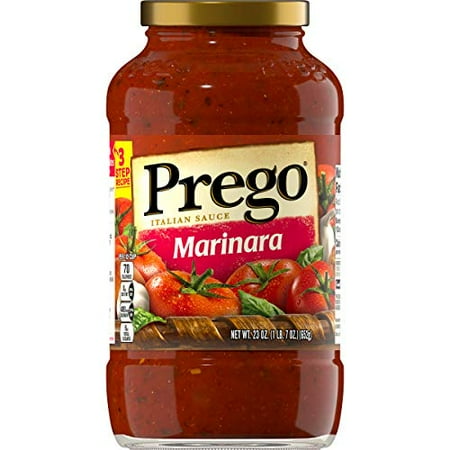


Prego Marinara Italian Sauce, 23 Ounce (Pack of 12)
Analysis updated August 2026 · How Scout scores
At a glance
Summary
This marinara sauce contains beneficial ingredients like tomato puree and diced tomatoes, which provide vitamins and antioxidants. However, the inclusion of canola oil, a highly processed seed oil, is a concern due to its high omega-6 fatty acid content, which can promote inflammation. The product's processing level and the presence of canola oil limit its healthiness despite the positive aspects of the tomatoes.
Key ingredients 9
Tomato PureeGood
Tomato puree is a concentrated source of tomatoes, providing a rich supply of vitamins and antioxidants. It is minimally processed, retaining much of the nutritional value of fresh tomatoes. The presence of lycopene, a powerful antioxidant, is beneficial for heart health.
Benefits
Rich in vitamins A and C, and lycopene, which may reduce the risk of chronic diseases.
Diced TomatoesGood
Diced tomatoes are a source of essential nutrients and antioxidants, similar to fresh tomatoes. They are processed with minimal additives, preserving their natural benefits. The inclusion of tomato juice enhances the flavor and nutritional profile.
Benefits
Provides vitamins C and K, potassium, and lycopene, supporting overall health.
SpicesGood
Whole-food seasonings, antioxidant-bearing.
Benefits
May provide antioxidants and other health-promoting compounds.
SaltNeutral
Salt is used as a seasoning and preservative in foods. It is a refined product that provides sodium, an essential mineral for bodily functions. However, excessive intake can lead to health issues such as hypertension.
Risks
Excessive sodium intake can lead to high blood pressure and cardiovascular issues.
Benefits
Provides essential sodium for nerve and muscle function.
Dried OnionsNeutral
Dried onions are a dehydrated form of onions, retaining some of their flavor and nutritional properties. They are convenient for use in cooking but may lose some nutrients during the drying process. They add flavor without significant health risks.
Benefits
Adds flavor and some nutrients like vitamin C and antioxidants.
Dried GarlicNeutral
Dried garlic is a concentrated form of garlic, providing flavor and some health benefits. It retains some of the beneficial compounds found in fresh garlic, though some potency may be lost during drying. It is used for its flavor-enhancing properties.
Benefits
Contains allicin, which may have antimicrobial and cardiovascular benefits.
Citric AcidNeutral
Citric acid is a natural preservative and flavor enhancer commonly used in food products. It is generally recognized as safe and helps maintain the product's acidity and freshness. It is naturally found in citrus fruits.
Benefits
Helps preserve freshness and enhances flavor.
BasilNeutral
Basil is an herb used for its aromatic properties and potential health benefits. It contains essential oils and antioxidants that may support health. However, in dried form, some potency may be reduced.
Benefits
Provides flavor and contains antioxidants that may support health.
Canola OilVery Bad
Canola oil is a seed oil high in omega-6 fatty acids, which can promote inflammation if consumed excessively. It is often highly processed, involving chemical extraction and refining. The high omega-6 content is a concern for maintaining a balanced omega-3 to omega-6 ratio.
Risks
High omega-6 content may promote inflammation when consumed in excess.
Processing
Processed Foods
Get the full breakdown in the Scout appTake Scout shopping
Scan any product to see lab results, healthy alternatives, and your personalized analysis.
Download on theApp Store GET IT ONGoogle PlayAmazon pricing & content
Amazon price as of . Product prices and availability are accurate as of the date/time indicated and are subject to change. Any price and availability information displayed on Amazon.com at the time of purchase will apply to the purchase of this product.
CERTAIN CONTENT THAT APPEARS ON THIS SITE COMES FROM AMAZON. THIS CONTENT IS PROVIDED “AS IS” AND IS SUBJECT TO CHANGE OR REMOVAL AT ANY TIME.