
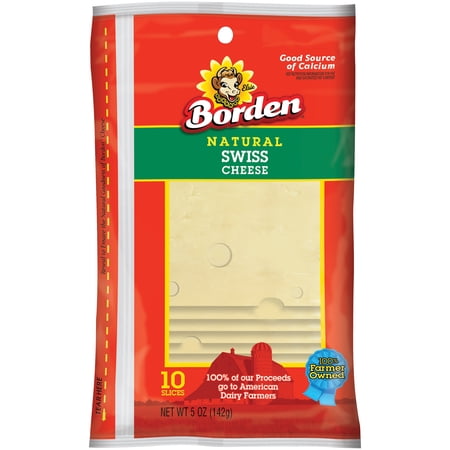
Borden SWISS SLICED CHEESE
At a glance
Summary
This cheese product is made from pasteurized part-skim milk, cheese culture, salt, and enzymes, which are traditional ingredients for cheese. The absence of artificial additives, seed oils, or excessive processing agents contributes positively to its rating. However, as a processed food, it is subject to a processing score cap, preventing it from reaching the highest possible scores reserved for minimally processed or raw cheeses. Its plastic packaging can shed microplastics into the food and lowers its score.
Key ingredients 4
Pasteurized part-skim milkGood
Pasteurized part-skim milk is a primary ingredient in cheese, providing essential nutrients like calcium and protein. The pasteurization process ensures safety by eliminating harmful bacteria. Part-skim milk reduces fat content while maintaining nutritional value.
Benefits
Rich in calcium and protein, supporting bone health and muscle maintenance. The reduced fat content makes it a healthier option for those monitoring fat intake.
Cheese cultureNeutral
Cheese culture is used to ferment milk, aiding in the development of flavor and texture in cheese. It consists of beneficial bacteria that are essential for the cheesemaking process. The cultures are generally safe and contribute to the characteristic taste of cheese.
Benefits
Contributes to the development of flavor and texture in cheese, enhancing its sensory qualities.
SaltNeutral
Salt is used in cheese for flavor enhancement and as a preservative. It helps control the growth of unwanted bacteria during the aging process. While necessary in cheesemaking, excessive salt intake can be a health concern.
Risks
Excessive consumption of salt can lead to increased blood pressure and related health issues.
Benefits
Enhances flavor and acts as a preservative, contributing to the safety and longevity of the cheese.
EnzymesNeutral
Enzymes are used in cheese production to coagulate milk, forming curds and whey. They are essential for the cheesemaking process and are typically derived from animal or microbial sources. Enzymes do not pose significant health risks when used in cheese.
Benefits
Facilitates the cheesemaking process by aiding in milk coagulation, essential for cheese formation.
Processing
Processed Foods
Get the full breakdown in the Scout appTake Scout shopping
Scan any product to see lab results, healthy alternatives, and your personalized analysis.
Are you Borden? Fix an error Get the badge Get tested


