
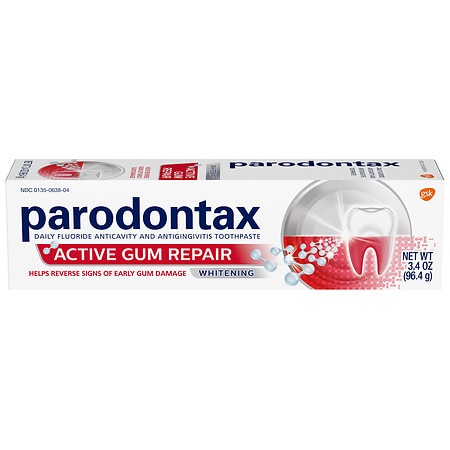

Parodontax Active Gum Repair Whitening Toothpaste - Mint Flavor 3.4 Oz
Summary
This toothpaste contains beneficial ingredients like stannous fluoride, which helps prevent cavities and gum disease, and sodium bicarbonate, which aids in stain removal. However, the presence of synthetic compounds such as PEG-8, pentasodium triphosphate, and sodium lauryl sulfate raises concerns due to potential irritation and contamination risks. The processing level and inclusion of these controversial ingredients limit the overall healthiness of the product.
At a glance
Key ingredients 15
AquaNeutral
Aqua, or water, is used as a solvent in toothpaste formulations. It helps dissolve other ingredients and provides the necessary consistency for application. No significant health risks or benefits are associated with its use in this context.
See more about Aqua →GlycerinGood
Glycerin is a humectant that helps retain moisture in the toothpaste, preventing it from drying out. It is generally derived from plant oils and is considered safe for use in oral care products. Its moisturizing properties can help soothe the gums.
Benefits
Helps maintain moisture and can soothe gums, enhancing the user experience.
PEG-8Bad
PEG-8 is a polyethylene glycol used as a solvent and thickener in toothpaste. It is a synthetic compound that may contain impurities from the manufacturing process. Concerns exist about potential contamination with ethylene oxide and 1,4-dioxane, which are carcinogenic.
Risks
Potential contamination with carcinogenic substances like ethylene oxide and 1,4-dioxane.
Hydrated SilicaNeutral
Hydrated silica is used as an abrasive agent to help remove plaque and stains from teeth. It is a naturally occurring mineral that is processed for use in oral care products. While effective for cleaning, it does not provide any direct health benefits.
Benefits
Effective in removing plaque and stains, contributing to oral hygiene.
Pentasodium TriphosphateBad
Pentasodium triphosphate is used as a cleaning agent and water softener in toothpaste. It is a synthetic compound that can cause irritation in some individuals. Overuse may lead to an imbalance in oral pH levels.
Risks
May cause irritation and disrupt oral pH balance if overused.
FlavorNeutral
Flavor is added to improve the taste of the toothpaste, making it more palatable for users. The specific composition of the flavor is not disclosed, which can be a concern for those with allergies. It does not contribute to the efficacy of the toothpaste.
Risks
Potential allergen risk due to undisclosed composition.
Benefits
Improves taste, enhancing user compliance with oral hygiene routines.
Sodium Lauryl SulfateBad
Sodium lauryl sulfate is a surfactant used to create foam and enhance cleaning. It is known to cause irritation in some individuals, particularly those with sensitive oral tissues. Its use is controversial due to potential irritation and allergic reactions.
Risks
Can cause irritation and allergic reactions in sensitive individuals.
Titanium DioxideNeutral
Titanium dioxide is used as a whitening agent to improve the appearance of the toothpaste. It is a naturally occurring mineral that is processed for use in various products. While it enhances the visual appeal, it does not provide any health benefits.
Benefits
Enhances the visual appeal of the toothpaste.
Polyacrylic AcidNeutral
Polyacrylic acid is used as a thickening agent to stabilize the toothpaste formulation. It is a synthetic polymer that helps maintain the consistency of the product. It does not contribute to the health benefits of the toothpaste.
Stannous FluorideVery Good
Stannous fluoride is an active ingredient that helps prevent cavities and reduce gum disease. It is a well-researched compound known for its efficacy in strengthening enamel and reducing plaque. Its inclusion is crucial for the therapeutic benefits of the toothpaste.
Risks
Excessive ingestion can lead to dental fluorosis, especially in children.
Benefits
Strengthens enamel and reduces plaque, providing significant oral health benefits.
Sodium BicarbonateGood
Sodium bicarbonate acts as a mild abrasive and neutralizing agent in toothpaste. It helps in removing surface stains and maintaining a balanced pH in the mouth. Its natural origin and gentle action make it a beneficial ingredient.
Benefits
Helps remove stains and maintain oral pH balance, supporting oral hygiene.
Sodium SaccharinNeutral
Sodium saccharin is an artificial sweetener used to enhance the taste of toothpaste. It is non-nutritive and does not contribute to tooth decay. While it improves palatability, it does not offer health benefits.
Benefits
Improves taste without contributing to tooth decay.
Xanthan GumNeutral
Xanthan gum is used as a stabilizer and thickener in toothpaste formulations. It is derived from natural fermentation processes and helps maintain the product's consistency. It does not provide direct health benefits.
Benefits
Helps stabilize and thicken the toothpaste, ensuring consistent application.
Cocamidopropyl BetaineNeutral
Cocamidopropyl betaine is a surfactant that helps create foam and improve the cleaning action of toothpaste. It is derived from coconut oil and is generally considered safe for use. It enhances the sensory experience without providing direct health benefits.
Risks
May cause irritation in some individuals with sensitive skin or allergies.
Benefits
Enhances foaming and cleaning action, improving user experience.
LimoneneNeutral
Limonene is a naturally occurring compound used for its pleasant citrus scent in toothpaste. It is derived from citrus fruit peels and is generally recognized as safe. While it improves the sensory appeal, it does not offer direct health benefits.
Risks
May cause allergic reactions in sensitive individuals.
Benefits
Provides a pleasant scent, enhancing the sensory experience.
Processing
Processed Foods
Get the full breakdown in the Scout app
Scan any product to see lab results, healthy alternatives, and your personalized analysis.
Download on theApp Store