
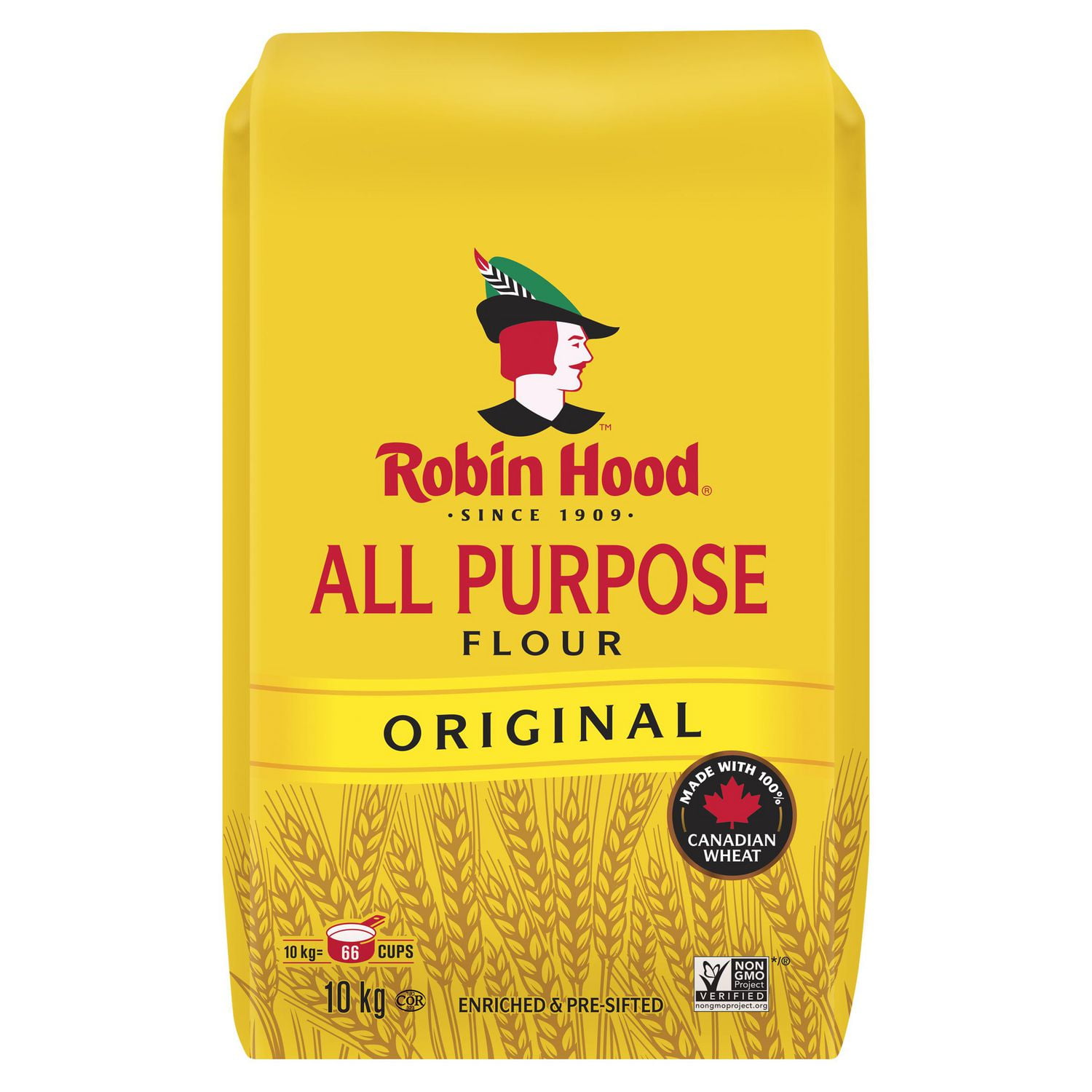

Robin Hood All Purpose Flour
Analysis updated June 2026 · How Scout scores
At a glance
Summary
This all-purpose flour is enriched with beneficial vitamins and minerals such as niacin, iron, and folic acid, which enhance its nutritional profile. However, the presence of benzoyl peroxide as a bleaching agent raises concerns due to its lack of nutritional value and potential health implications. Despite being minimally processed, the use of this chemical additive impacts the overall healthiness of the product.
Key ingredients 8
ascorbic acidGood
Vitamin C — beneficial even when serving as a preservative.
See more about ascorbic acid →niacinGood
Beneficial ingredient — whole-food or functional value in this product class.
See more about niacin →riboflavinGood
Essential B vitamin — beneficial micronutrient.
See more about riboflavin →amylaseNeutral
Amylase is an enzyme that helps improve dough quality and bread texture, making it a beneficial processing aid.
See more about amylase →reduced ironNeutral
Reduced iron is a common fortification ingredient that helps prevent iron deficiency and supports healthy blood function.
See more about reduced iron →thiamine mononitrateNeutral
Thiamine mononitrate is a vitamin B1 supplement that aids in energy metabolism and overall health.
See more about thiamine mononitrate →Wheat flourBad
Refined grain flour stripped of bran and germ.
See more about Wheat flour →benzoyl peroxideBad
Benzoyl peroxide is used as a bleaching agent in flour, which some consumers prefer to avoid due to concerns about chemical additives.
See more about benzoyl peroxide →Processing
Unprocessed or Minimally Processed Foods
Get the full breakdown in the Scout appTake Scout shopping
Scan any product to see lab results, healthy alternatives, and your personalized analysis.
Download on theApp Store GET IT ONGoogle PlayAmazon pricing & content
Amazon price as of . Product prices and availability are accurate as of the date/time indicated and are subject to change. Any price and availability information displayed on Amazon.com at the time of purchase will apply to the purchase of this product.
CERTAIN CONTENT THAT APPEARS ON THIS SITE COMES FROM AMAZON. THIS CONTENT IS PROVIDED “AS IS” AND IS SUBJECT TO CHANGE OR REMOVAL AT ANY TIME.