
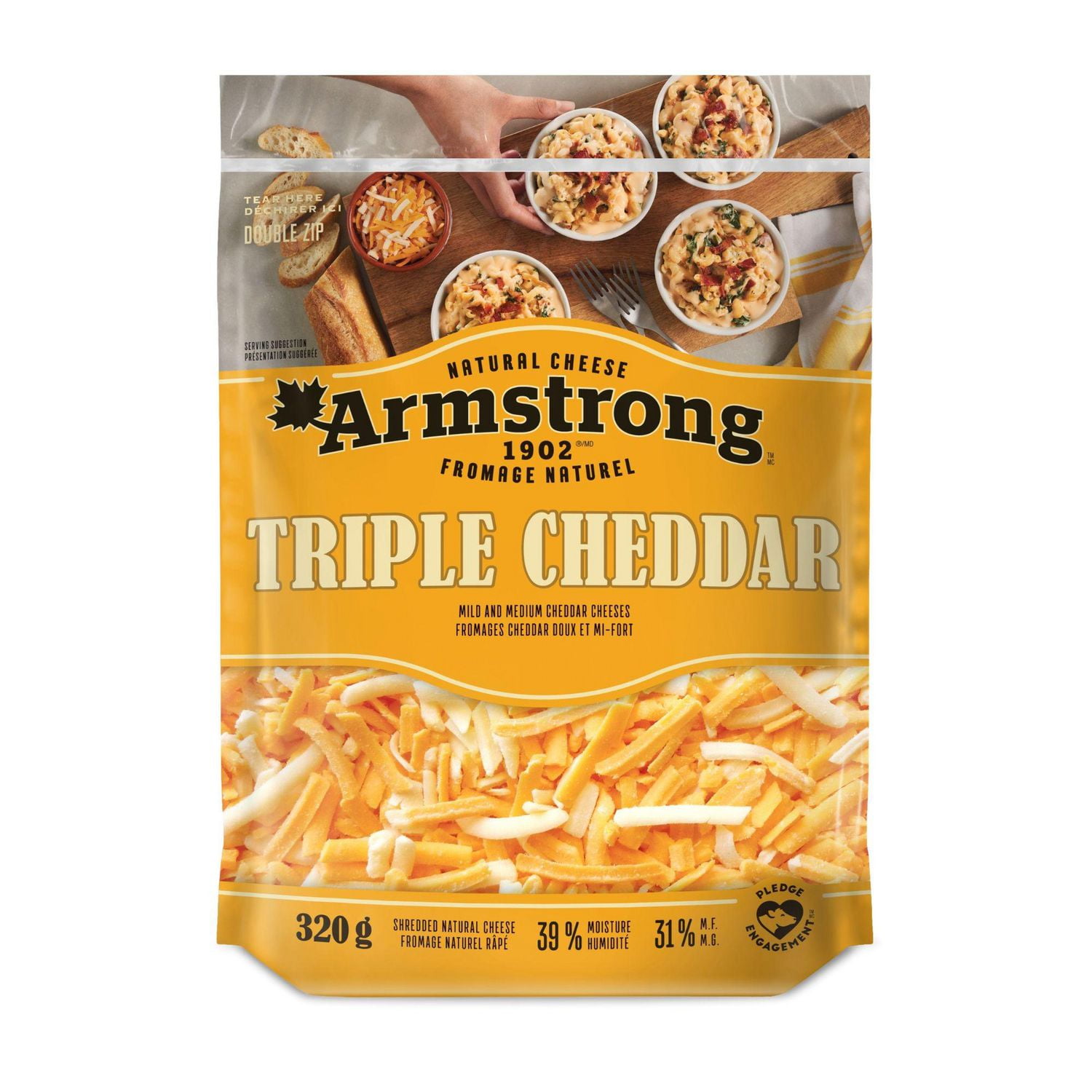


Armstrong Triple Cheddar Shredded Cheese
Analysis updated May 2026 · How Scout scores
At a glance
Summary
This cheese product contains beneficial ingredients like pasteurized milk and bacterial cultures, which contribute to its nutritional value. However, it also includes additives such as cellulose and natamycin, which are used for anti-caking and preservation but do not provide nutritional benefits. The product is moderately processed, which limits its score despite the presence of some high-quality ingredients.
Key ingredients 9
Pasteurized MilkGood
Pasteurized milk is a primary source of protein and calcium, essential for bone health. The pasteurization process ensures safety by eliminating harmful bacteria. It provides a rich source of nutrients necessary for overall health.
Benefits
Rich in calcium and protein, supporting bone health and muscle function.
Bacterial CultureGood
Bacterial cultures are essential for cheese fermentation, contributing to flavor and texture. They help in breaking down lactose and developing the cheese's unique characteristics. These cultures can also support gut health by promoting beneficial bacteria.
Benefits
Supports gut health and contributes to the development of cheese flavor and texture.
Modified Milk IngredientsNeutral
Modified milk ingredients are used to enhance texture and consistency in dairy products. They are derived from milk but undergo processing to alter their properties. While they maintain nutritional value, they are more processed than whole milk.
Benefits
Provides similar nutritional benefits to milk, such as calcium and protein.
SaltNeutral
Salt is used as a preservative and flavor enhancer in cheese. It helps in the cheese aging process and prevents spoilage. However, excessive consumption can lead to health issues such as hypertension.
Risks
High sodium intake can contribute to hypertension and cardiovascular diseases.
Benefits
Essential for flavor and preservation in cheese production.
Calcium ChlorideNeutral
Calcium chloride is used in cheese making to improve curd formation and firmness. It is a common additive in cheese production to ensure consistent texture. While it is generally safe, it is an additive rather than a natural ingredient.
Benefits
Improves cheese texture and curd formation.
Microbial EnzymeNeutral
Microbial enzymes are used as a vegetarian alternative to animal rennet in cheese making. They help in coagulating milk to form cheese. These enzymes are derived from microbial sources and are widely accepted in cheese production.
Benefits
Provides a vegetarian-friendly option for cheese coagulation.
AnnattoNeutral
Annatto is a natural coloring agent derived from the seeds of the achiote tree. It is used to give cheese a distinctive orange hue. As a natural colorant, it is generally considered safe and free from significant health concerns.
Benefits
Provides natural color without artificial additives.
CelluloseNeutral
Standard formulation ingredient — neither beneficial nor harmful at typical use.
Risks
Excessive consumption may lead to digestive issues due to its fiber content.
Benefits
Helps maintain the texture of shredded cheese by preventing clumping.
NatamycinBad
Natamycin is a natural antifungal agent used to prevent mold growth on cheese. It is effective in extending shelf life but is an additive rather than a natural component of cheese. While generally recognized as safe, it is still an additive.
Risks
Potential for allergic reactions in sensitive individuals.
Benefits
Prevents mold growth, extending the shelf life of cheese.
Processing
Processed Foods
Get the full breakdown in the Scout appTake Scout shopping
Scan any product to see lab results, healthy alternatives, and your personalized analysis.
Download on theApp Store GET IT ONGoogle Play