
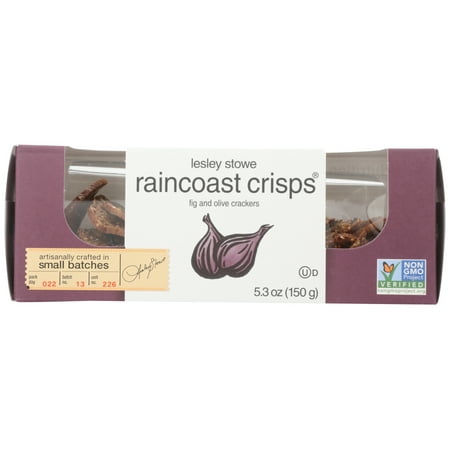


FIG AND OLIVE CRACKERS
Analysis updated May 2026 · How Scout scores
At a glance
Summary
The Fig and Olive Crackers contain a mix of beneficial ingredients such as dried figs, pumpkin seeds, and flax seeds, which provide fiber, healthy fats, and antioxidants. However, the product is processed and includes additives like citric acid and baking soda, which slightly detract from its overall healthiness. The presence of enriched flour as a primary ingredient and moderate sugar content also influence the score, despite the absence of harmful seed oils or artificial additives.
Key ingredients 13
Pumpkin SeedsVery Good
Pumpkin seeds are a nutrient-dense source of protein, healthy fats, and minerals such as magnesium and zinc. They are minimally processed and retain their natural nutritional profile. These seeds support heart health and immune function.
Benefits
High in magnesium and zinc, promoting heart health and immune support.
Flax SeedsVery Good
Flax seeds are rich in omega-3 fatty acids and lignans, which have anti-inflammatory and antioxidant properties. They are consumed whole or ground to enhance nutrient absorption. Flax seeds support cardiovascular health and hormone balance.
Benefits
Rich in omega-3 fatty acids and lignans, supporting heart health and reducing inflammation.
Dried FigsGood
Dried figs are a natural source of fiber and essential minerals like potassium and calcium. They are coated with rice flour to prevent sticking, which is a minimal processing step. Figs provide natural sweetness and antioxidants.
Risks
High natural sugar content may affect blood sugar levels if consumed in excess.
Benefits
Rich in dietary fiber and antioxidants, supporting digestive health and reducing oxidative stress.
Kalamata OlivesGood
Kalamata olives are a source of healthy monounsaturated fats and antioxidants. They are preserved with sea salt, acetic acid, and olive oil, which are natural preservatives. Olives contribute to heart health and provide anti-inflammatory benefits.
Risks
High sodium content may be a concern for individuals with hypertension.
Benefits
Rich in monounsaturated fats and antioxidants, supporting heart health and reducing inflammation.
Sesame SeedsGood
Sesame seeds are a good source of healthy fats, protein, and minerals like calcium and magnesium. They are minimally processed and retain their nutritional value. Sesame seeds support bone health and provide antioxidant benefits.
Risks
Allergic reactions may occur in individuals with sesame allergies.
Benefits
High in calcium and magnesium, supporting bone health and providing antioxidant properties.
Organic Skim MilkGood
Organic skim milk provides protein and essential nutrients like calcium and vitamin D. The organic certification indicates higher quality and fewer synthetic additives. Skim milk supports bone health and muscle function.
Risks
Lactose intolerance may cause digestive issues in sensitive individuals.
Benefits
Rich in calcium and vitamin D, supporting bone health and muscle function.
Sea SaltGood
Unrefined sea salt — a minimally processed, natural source of sodium and essential trace minerals, and a legitimate whole-food seasoning. Treated as a positive ingredient.
Risks
High sodium intake can lead to hypertension and cardiovascular issues.
Benefits
Contains trace minerals and enhances flavor in foods.
HoneyGood
Honey is a natural sweetener with antioxidant and antimicrobial properties. It is less processed than refined sugars and provides trace nutrients. Honey can support immune health and provide natural energy.
Risks
High sugar content may affect blood sugar levels if consumed in excess.
Benefits
Contains antioxidants and provides natural sweetness with trace nutrients.
Leavening (Baking Soda)Neutral
Baking soda is a leavening agent that helps dough rise by releasing carbon dioxide. It is a common and safe ingredient in baking. Baking soda is generally recognized as safe when used in appropriate amounts.
Risks
Excessive consumption may lead to alkalosis or digestive discomfort.
Benefits
Facilitates dough rising, contributing to texture and volume in baked goods.
Refinery SyrupNeutral
Refinery syrup is a byproduct of sugar refining, used as a sweetener. It is a processed ingredient with limited nutritional value. Excessive consumption can contribute to health issues like obesity and diabetes.
Risks
High sugar content may contribute to weight gain and metabolic disorders.
Benefits
Provides sweetness, but offers minimal nutritional benefits.
Citric AcidNeutral
Citric acid is a natural preservative and flavor enhancer found in citrus fruits. It is widely used in food processing for its acidic properties. Generally recognized as safe, it can enhance flavor and preserve freshness.
Risks
Excessive consumption may cause dental erosion or digestive discomfort.
Benefits
Enhances flavor and preserves freshness in foods.
Unbleached Enriched FlourBad
Processed additive flagged under Scout's ingredient doctrine.
Risks
Refined carbohydrates can contribute to blood sugar spikes and may lack fiber.
Benefits
Fortification adds essential nutrients such as iron and B vitamins, which are important for energy metabolism.
Brown SugarBad
Processed additive flagged under Scout's ingredient doctrine.
Risks
High sugar intake can lead to weight gain and increased risk of metabolic disorders.
Benefits
Provides sweetness and flavor, but offers minimal nutritional benefits.
Processing
Processed Foods
Get the full breakdown in the Scout appTake Scout shopping
Scan any product to see lab results, healthy alternatives, and your personalized analysis.
Download on theApp Store GET IT ONGoogle PlayAmazon pricing & content
Amazon price as of . Product prices and availability are accurate as of the date/time indicated and are subject to change. Any price and availability information displayed on Amazon.com at the time of purchase will apply to the purchase of this product.
CERTAIN CONTENT THAT APPEARS ON THIS SITE COMES FROM AMAZON. THIS CONTENT IS PROVIDED “AS IS” AND IS SUBJECT TO CHANGE OR REMOVAL AT ANY TIME.