


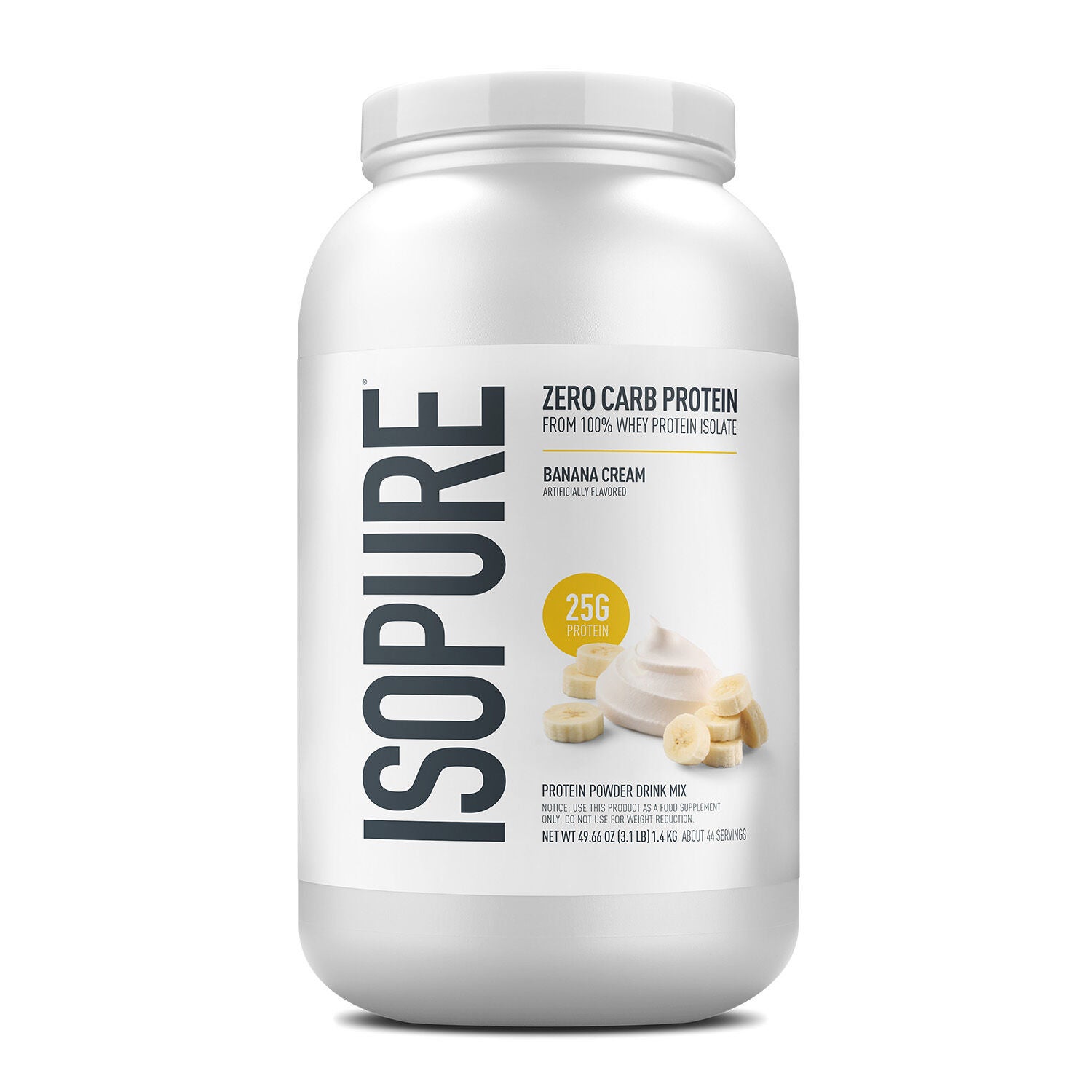
Barre pure protein
Summary
This protein bar contains a blend of high-quality protein sources like milk protein isolate and whey protein isolate, which are beneficial for muscle repair and growth. However, the presence of fractionated palm oil, a processed oil high in saturated fats, and soy, a common allergen, slightly detracts from its overall healthiness. The product also includes a yogurt-flavored coating with maltitol, which is a sugar alcohol that can cause digestive issues in some individuals.
At a glance
Key ingredients 13
Milk Protein IsolateVery Good
Milk protein isolate is a high-quality protein source that provides a complete amino acid profile. It is minimally processed, retaining most of the beneficial nutrients found in milk. This ingredient supports muscle repair and growth effectively.
Benefits
Rich in essential amino acids, it supports muscle recovery and growth.
Whey Protein IsolateVery Good
Whey protein isolate is a highly refined protein with low lactose content, making it suitable for those with lactose intolerance. It is rapidly absorbed, providing quick amino acid delivery to muscles. This ingredient is ideal for post-workout recovery.
Benefits
Supports muscle protein synthesis and recovery due to its high bioavailability.
Whey Protein ConcentrateGood
Whey protein concentrate is a less processed form of whey protein that retains more of the beneficial nutrients found in milk. It provides a good balance of protein and other nutrients. This ingredient is effective for general protein supplementation.
Risks
May contain more lactose than isolates, which could affect those with lactose intolerance.
Benefits
Offers a complete protein source with additional nutrients like immunoglobulins.
MaltitolNeutral
Maltitol is a sugar alcohol used as a sugar substitute, providing sweetness with fewer calories. It is often used in sugar-free products to reduce caloric content. However, it can cause digestive discomfort in some individuals.
Risks
Excessive consumption may lead to gastrointestinal issues such as bloating and diarrhea.
Benefits
Provides sweetness with lower caloric content compared to sugar.
Fractionated Palm OilBad
Fractionated palm oil is a processed oil that is used to improve texture and shelf life. It is high in saturated fats, which can contribute to heart disease if consumed in excess. The processing method may also involve environmental concerns.
Risks
High saturated fat content may increase the risk of cardiovascular diseases.
Benefits
Improves texture and stability of food products.
PeanutsGood
Peanuts are a nutrient-dense legume providing healthy fats, protein, and various vitamins and minerals. They are a good source of monounsaturated fats, which support heart health. Peanuts also contain antioxidants like resveratrol.
Risks
Potential allergen for some individuals, which can cause severe allergic reactions.
Benefits
Rich in healthy fats and protein, supporting heart health and satiety.
AlmondGood
Almonds are a nutritious nut rich in healthy fats, fiber, protein, and essential nutrients like vitamin E and magnesium. They support heart health and provide antioxidant benefits. Almonds are also linked to improved blood sugar control.
Risks
Potential allergen for some individuals, which can cause severe allergic reactions.
Benefits
Supports heart health and provides antioxidant benefits.
MilkNeutral
Milk is a natural source of calcium, protein, and other essential nutrients. It supports bone health and muscle function. However, it may not be suitable for those with lactose intolerance.
Risks
May cause digestive issues in lactose-intolerant individuals.
Benefits
Provides essential nutrients like calcium and protein.
SoyBad
Soy is a common allergen and may contain phytoestrogens, which can affect hormone balance. It is often genetically modified, raising concerns about pesticide use. However, it is a source of plant-based protein.
Risks
Potential allergen and may affect hormone levels due to phytoestrogens.
Benefits
Provides plant-based protein and isoflavones.
WheatNeutral
Wheat is a staple grain providing carbohydrates and some protein. It is a source of dietary fiber and essential nutrients. However, it contains gluten, which can be problematic for those with celiac disease or gluten sensitivity.
Risks
Contains gluten, which can cause issues for those with celiac disease or gluten sensitivity.
Benefits
Provides carbohydrates and dietary fiber.
EggGood
Eggs are a high-quality protein source containing all essential amino acids. They are rich in nutrients like choline and vitamin D. Eggs support muscle building and overall health.
Risks
Potential allergen for some individuals.
Benefits
Rich in high-quality protein and essential nutrients.
SesameGood
Sesame seeds are a good source of healthy fats, protein, and minerals like calcium and magnesium. They provide antioxidant benefits and support heart health. Sesame seeds also contain lignans, which have potential health benefits.
Risks
Potential allergen for some individuals.
Benefits
Supports heart health and provides essential minerals.
Tree NutsGood
Tree nuts are nutrient-dense foods rich in healthy fats, protein, and various vitamins and minerals. They support heart health and provide antioxidant benefits. Regular consumption of tree nuts is associated with reduced risk of chronic diseases.
Risks
Potential allergen for some individuals.
Benefits
Supports heart health and provides essential nutrients.
Processing
Processed Foods
Get the full breakdown in the Scout app
Scan any product to see lab results, healthy alternatives, and your personalized analysis.
Download on theApp Store