
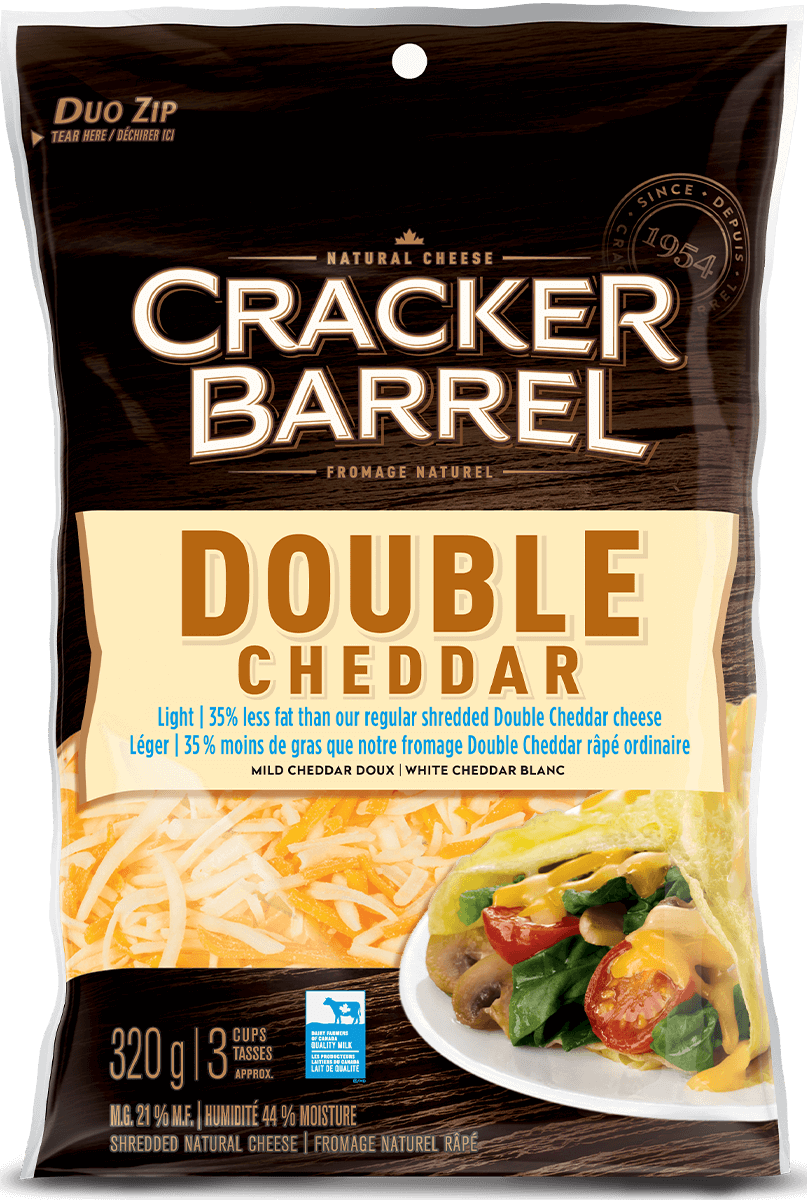


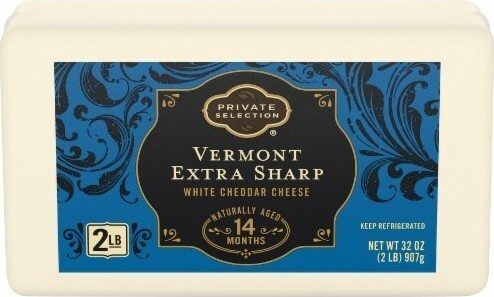

Cracker Barrel Light Cheddar Cheese
Analysis updated August 2026 · How Scout scores
At a glance
Summary
This light cheddar cheese is made from pasteurized part-skim milk, cheese culture, salt, microbial enzyme, and vitamin A palmitate, which are relatively clean ingredients for a processed cheese. The product is processed, which limits its score, but it avoids harmful additives and seed oils, maintaining a focus on traditional cheese-making components. The presence of beneficial cheese cultures supports its nutritional profile, contributing positively to the overall rating.
Key ingredients 5
Cheese CultureGood
Cheese culture is essential for the fermentation process, contributing to the flavor and texture of cheese. It consists of beneficial bacteria that aid in the development of cheese characteristics. These cultures can also support gut health by promoting beneficial bacteria.
Benefits
Supports the fermentation process and can contribute to gut health by promoting beneficial bacteria.
Pasteurized Part-skim MilkNeutral
Pasteurized part-skim milk is a common base for cheese, providing essential proteins and calcium. The pasteurization process ensures safety by eliminating harmful bacteria, but it may reduce some beneficial bacteria. Skimming reduces fat content, making it a lighter option compared to whole milk.
Benefits
Provides a good source of protein and calcium, essential for bone health and muscle function.
SaltNeutral
Salt is used in cheese making to enhance flavor and act as a preservative. It helps control the growth of unwanted bacteria during fermentation. While necessary in cheese production, excessive salt intake can contribute to high blood pressure.
Risks
Excessive consumption of salt can lead to high blood pressure and other cardiovascular issues.
Benefits
Enhances flavor and acts as a preservative in cheese production.
Microbial EnzymeNeutral
Microbial enzymes are used as a vegetarian alternative to animal rennet in cheese making. They help coagulate milk, forming curds and whey. This ingredient is suitable for vegetarians and does not carry significant health concerns.
Benefits
Provides a vegetarian-friendly option for cheese coagulation without compromising the cheese-making process.
Vitamin A PalmitateNeutral
Vitamin A Palmitate is added to fortify cheese with vitamin A, an essential nutrient for vision and immune function. It is a synthetic form of vitamin A, commonly used in food fortification. While beneficial, excessive intake of vitamin A can lead to toxicity.
Risks
Excessive intake of vitamin A can lead to toxicity, but this is unlikely from cheese consumption alone.
Benefits
Fortifies cheese with vitamin A, supporting vision and immune function.
Processing
Processed Foods
Get the full breakdown in the Scout appTake Scout shopping
Scan any product to see lab results, healthy alternatives, and your personalized analysis.
Download on theApp Store GET IT ONGoogle PlayAmazon pricing & content
Amazon price as of . Product prices and availability are accurate as of the date/time indicated and are subject to change. Any price and availability information displayed on Amazon.com at the time of purchase will apply to the purchase of this product.
CERTAIN CONTENT THAT APPEARS ON THIS SITE COMES FROM AMAZON. THIS CONTENT IS PROVIDED “AS IS” AND IS SUBJECT TO CHANGE OR REMOVAL AT ANY TIME.