


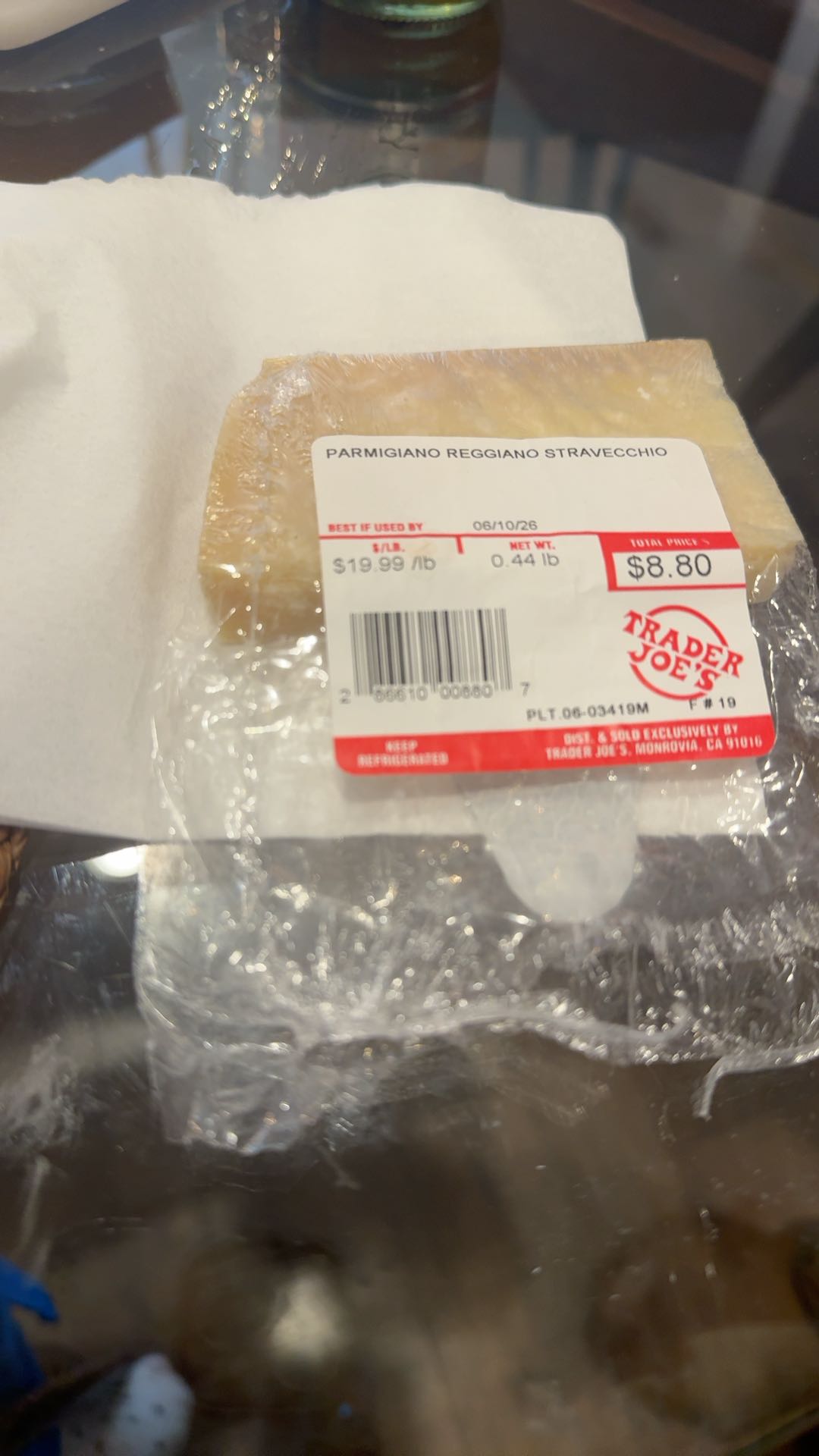
the deli counter sliced medium chedder cheese
Analysis updated September 2026 · How Scout scores
At a glance
Summary
This cheese is made from pasteurized milk, cheese culture, salt, enzymes, and added color, which are typical ingredients for a processed cheese. While it is not as minimally processed as raw, organic, grass-fed options, it does not contain harmful additives or seed oils. The processing level limits its score, but the clean ingredient list supports a relatively high rating within its category.
Key ingredients 5
Cheese cultureGood
Beneficial ingredient — whole-food or functional value in this product class.
Benefits
Essential for developing the characteristic flavor and texture of cheese through fermentation.
Pasteurized milkNeutral
Pasteurized milk is a common base for cheese, providing essential nutrients like calcium and protein. The pasteurization process eliminates harmful bacteria but may reduce some beneficial enzymes. It is a standard ingredient in cheese production, offering a balance of safety and nutrition.
Benefits
Provides essential nutrients such as calcium and protein, which are important for bone health and muscle function.
SaltNeutral
Salt is used in cheese for flavor enhancement and as a preservative. It helps control the growth of unwanted bacteria during cheese aging. While necessary for cheese production, excessive salt intake can be a health concern.
Risks
Excessive consumption of salt can lead to high blood pressure and other cardiovascular issues.
Benefits
Acts as a preservative and enhances the flavor profile of cheese.
EnzymesNeutral
Enzymes are used in cheese making to coagulate milk, forming curds and whey. They are essential for the cheese-making process but do not contribute significant nutritional value. Enzymes are typically derived from animal or microbial sources.
Benefits
Crucial for the coagulation process in cheese production, enabling the formation of curds.
Color addedNeutral
Color added is used to give cheese a consistent appearance, often using natural or artificial colorants. It does not affect the nutritional profile of the cheese. The specific type of colorant used can vary, but it is generally considered safe in regulated amounts.
Risks
Potential risks depend on the type of colorant used; some artificial colorants may cause allergic reactions in sensitive individuals.
Benefits
Provides a consistent and appealing appearance to the cheese product.
Processing
Processed Foods
Get the full breakdown in the Scout appTake Scout shopping
Scan any product to see lab results, healthy alternatives, and your personalized analysis.
Download on theApp Store GET IT ONGoogle Play