
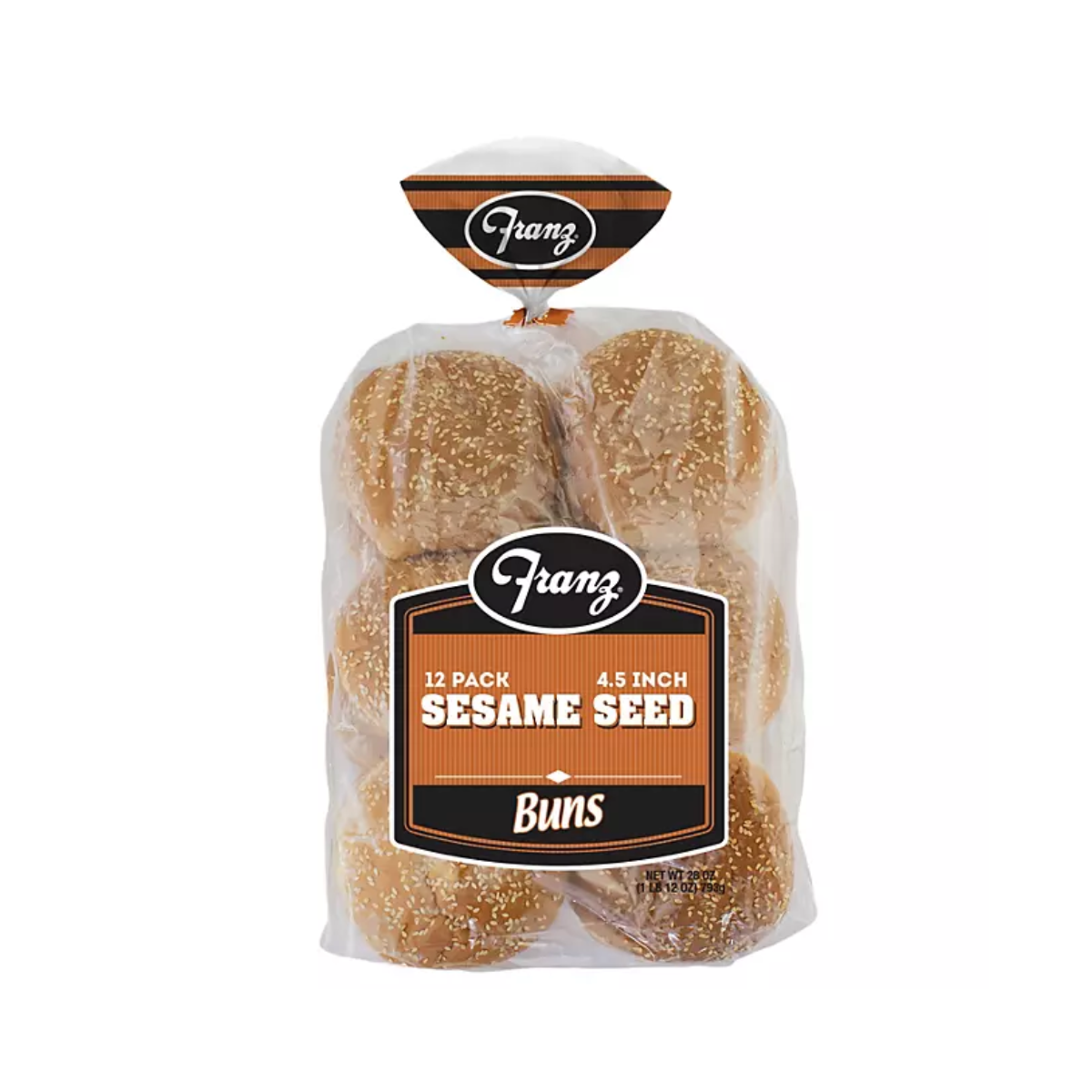


Franz Hamburger Buns
Analysis updated September 2026 · How Scout scores
At a glance
Summary
This product contains some beneficial ingredients like brown rice flour and dried whole eggs, which contribute fiber and protein. However, it also includes high oleic safflower oil and several starches, which are indicative of moderate processing. The presence of xanthan gum as an additive further reflects its processed nature, limiting its overall health score.
Key ingredients 13
Brown Rice FlourGood
Brown rice flour is a whole grain flour that provides fiber and essential nutrients. It is less processed than white rice flour, retaining more of its natural nutrients. It is a gluten-free alternative to wheat flour.
Risks
May cause digestive issues for individuals sensitive to high fiber content.
Benefits
Rich in fiber and essential nutrients, supporting digestive health and providing a gluten-free option.
Dried Whole EggsGood
Dried whole eggs provide high-quality protein and essential nutrients. They are a convenient, shelf-stable form of eggs used in baking. They contribute to the nutritional profile of the product by adding protein and vitamins.
Risks
May cause allergic reactions in individuals with egg allergies.
Benefits
Rich in protein and essential nutrients, supporting muscle health and providing a source of vitamins.
WaterNeutral
Water is a neutral ingredient used as a solvent and to provide moisture. It does not contribute any nutritional value or health risks. It is essential for the dough formation process.
See more about Water →Tapioca StarchNeutral
Tapioca starch is a refined carbohydrate used as a thickener and to improve texture. It is highly processed and lacks significant nutritional value. It is commonly used in gluten-free baking.
Benefits
Provides a gluten-free thickening option for improved texture in baked goods.
Corn StarchNeutral
Corn starch is a refined carbohydrate used as a thickening agent. It is highly processed and does not provide significant nutritional benefits. It is commonly used to improve texture in food products.
Benefits
Provides a gluten-free thickening option for improved texture in food products.
Xanthan GumNeutral
Xanthan gum is a polysaccharide used as a stabilizer and thickener in food products. It is produced through fermentation and is considered safe in small amounts. It helps improve texture and shelf life in gluten-free products.
Risks
May cause digestive issues in sensitive individuals when consumed in large amounts.
Benefits
Improves texture and stability in gluten-free baked goods.
Potato StarchNeutral
Potato starch is a refined carbohydrate used as a thickener and to improve texture. It is highly processed and lacks significant nutritional value. It is commonly used in gluten-free baking.
Benefits
Provides a gluten-free thickening option for improved texture in baked goods.
SaltNeutral
Salt is used to enhance flavor and act as a preservative. It is a common ingredient in baked goods but does not provide significant nutritional benefits. Excessive consumption can lead to health issues.
Risks
High sodium intake may contribute to hypertension and cardiovascular issues.
Benefits
Enhances flavor and acts as a preservative in food products.
VinegarNeutral
Vinegar is used as a flavor enhancer and preservative. It is a natural product with minimal processing. It can add acidity and improve the shelf life of baked goods.
Benefits
Acts as a natural preservative and flavor enhancer.
YeastNeutral
Yeast is a microorganism used to leaven bread, contributing to texture and flavor. It is a natural ingredient that undergoes fermentation. It is essential for the bread-making process.
Benefits
Contributes to the leavening and flavor of bread products.
EnzymesNeutral
Enzymes are used to improve dough handling and extend shelf life. They are naturally occurring proteins that catalyze biochemical reactions. They enhance the texture and freshness of baked goods.
Benefits
Improve dough handling and extend the freshness of baked goods.
Tapioca SyrupBad
Processed additive flagged under Scout's ingredient doctrine.
Risks
Excessive consumption may contribute to increased blood sugar levels.
Benefits
Offers a gluten-free sweetening option with a lower glycemic index than some other sweeteners.
High Oleic Safflower OilVery Bad
Heavily flagged ingredient class under Scout's doctrine.
Benefits
Contains monounsaturated fats that may support heart health.
Processing
Processed Foods
Get the full breakdown in the Scout appTake Scout shopping
Scan any product to see lab results, healthy alternatives, and your personalized analysis.
Download on theApp Store GET IT ONGoogle PlayAmazon pricing & content
Amazon price as of . Product prices and availability are accurate as of the date/time indicated and are subject to change. Any price and availability information displayed on Amazon.com at the time of purchase will apply to the purchase of this product.
CERTAIN CONTENT THAT APPEARS ON THIS SITE COMES FROM AMAZON. THIS CONTENT IS PROVIDED “AS IS” AND IS SUBJECT TO CHANGE OR REMOVAL AT ANY TIME.