


At a glance
Summary
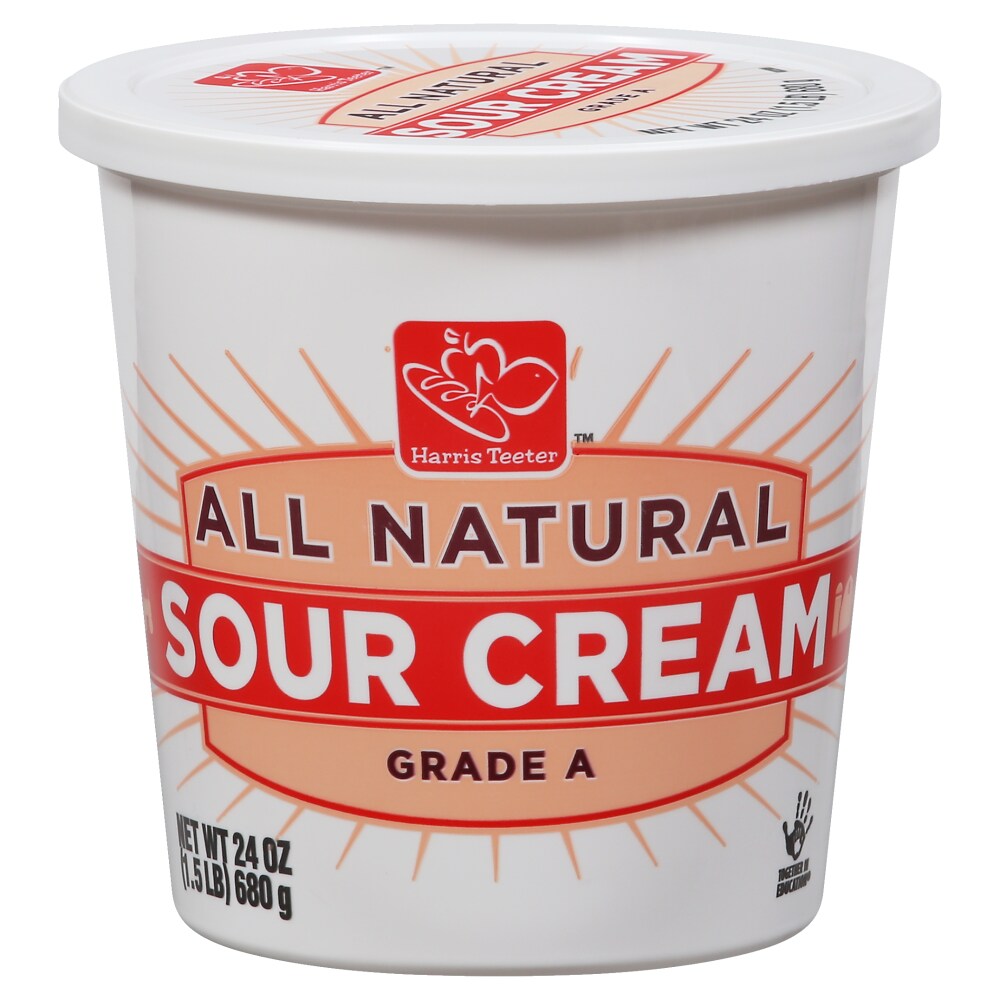
This sour cream is made from cultured pasteurized nonfat milk, cream, and enzymes, which are simple and recognizable ingredients. The culturing process enhances its probiotic content, supporting gut health, while pasteurization ensures safety. Despite being processed, the absence of harmful additives or seed oils contributes to a favorable rating within its category.
Key ingredients 3
Cultured Pasteurized Nonfat MilkGood
Cultured pasteurized nonfat milk is a primary ingredient in sour cream, providing a source of protein and calcium. The culturing process enhances the digestibility and probiotic content, which can support gut health. Pasteurization ensures safety by eliminating harmful bacteria.
Benefits
Provides protein and calcium, essential for bone health. The culturing process adds beneficial probiotics that may aid digestion.
CreamGood
Traditional whole-fat dairy ingredient.
Risks
High in saturated fats, which may contribute to heart disease if consumed in excess.
Benefits
Contains fat-soluble vitamins such as A, D, E, and K, which are important for various bodily functions.
EnzymeNeutral
Enzymes are used in dairy processing to aid in the fermentation and thickening of sour cream. They are typically derived from natural sources and are essential for the development of texture and flavor. The use of enzymes is standard in dairy production and poses no health risks.
Benefits
Facilitates the fermentation process, enhancing the texture and flavor of the product.
Processing
Processed Foods
Get the full breakdown in the Scout appTake Scout shopping
Scan any product to see lab results, healthy alternatives, and your personalized analysis.
Download on theApp Store GET IT ONGoogle Play