



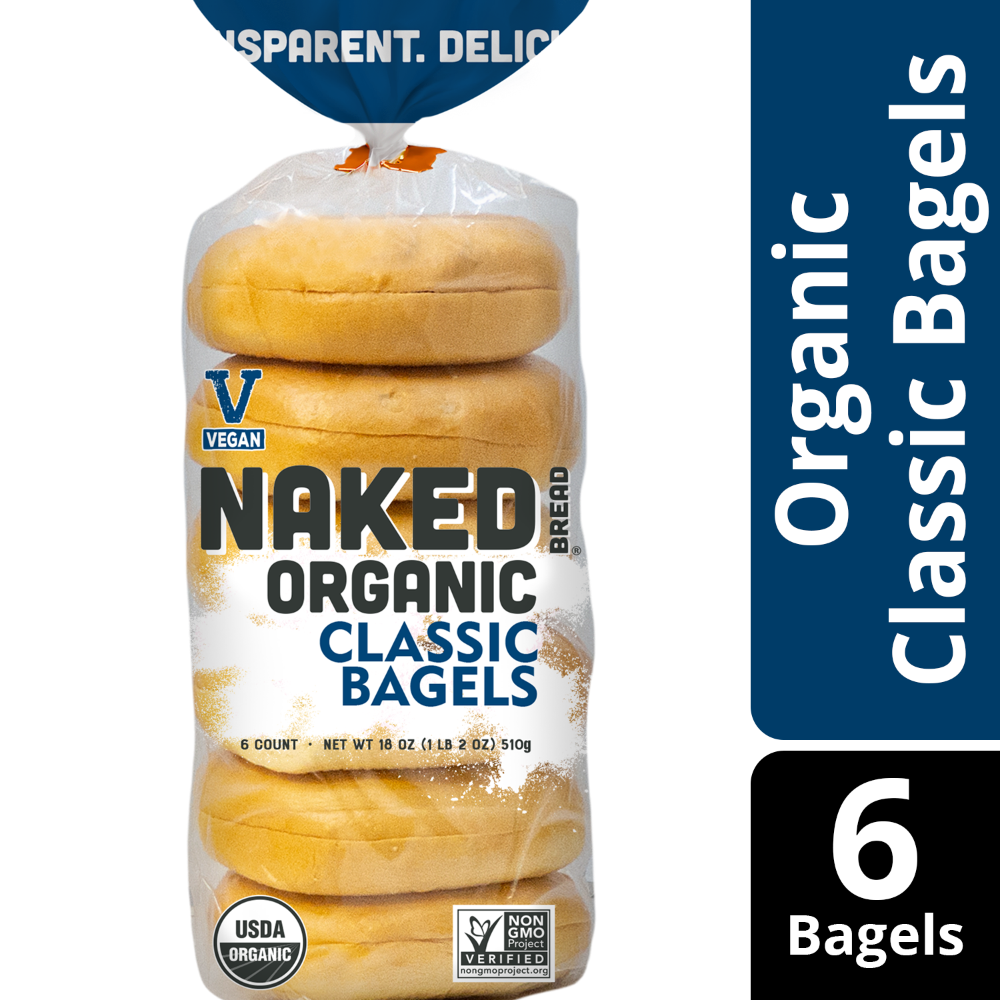
PREMIUM BAGELS
Summary
This product is categorized as processed, which limits its potential score. While it includes malted barley flour, a beneficial ingredient that enhances flavor and texture, the overall processing level and lack of additional high-quality ingredients prevent it from achieving a higher rating. The absence of harmful additives is positive, but the product does not reach the standards of the best in its category.
At a glance
Key ingredients 10
Enriched Unbleached Wheat FlourNeutral
Enriched unbleached wheat flour is a common ingredient in baked goods, providing structure and texture. It is enriched with vitamins and minerals like niacin, iron, and folic acid to replace nutrients lost during processing. However, it lacks the fiber and nutrients found in whole grain flours.
Risks
May contribute to blood sugar spikes due to its refined nature and lack of fiber.
Benefits
Provides essential vitamins and minerals through enrichment, supporting overall nutritional intake.
Wheat FlourNeutral
Wheat flour is a staple ingredient in many baked products, offering a source of carbohydrates and protein. It is typically refined, which removes the bran and germ, reducing fiber content. This processing makes it less nutritious compared to whole wheat flour.
Risks
Refined wheat flour can lead to rapid increases in blood sugar levels.
Benefits
Provides energy through carbohydrates and some protein content.
Malted Barley FlourGood
Malted barley flour is used to enhance flavor and improve the texture of baked goods. It contains enzymes that help break down starches into sugars, aiding in fermentation. This ingredient can improve the nutritional profile by adding some fiber and micronutrients.
Benefits
Enhances flavor and texture while providing additional nutrients and aiding in fermentation.
NiacinNeutral
Niacin, also known as vitamin B3, is added to enriched flours to compensate for nutrient loss during processing. It plays a crucial role in energy metabolism and maintaining healthy skin and nerves. While beneficial, it is typically consumed in adequate amounts through a balanced diet.
Risks
Excessive intake can lead to skin flushing and liver damage, though this is rare from food sources.
Benefits
Supports energy metabolism and overall health as part of the B-vitamin complex.
Reduced IronNeutral
Reduced iron is added to enriched flours to prevent iron deficiency anemia. It is a form of elemental iron that is absorbed by the body to support oxygen transport and energy production. While beneficial, it is less bioavailable compared to heme iron from animal sources.
Risks
Excessive iron intake can lead to toxicity, but this is uncommon from dietary sources.
Benefits
Helps prevent iron deficiency anemia and supports overall energy levels.
Thiamin MononitrateNeutral
Thiamin mononitrate is a form of vitamin B1 added to enriched flours to replace nutrients lost during processing. It is essential for carbohydrate metabolism and nerve function. While beneficial, it is typically consumed in adequate amounts through a varied diet.
Benefits
Supports energy metabolism and nerve function as part of the B-vitamin complex.
RiboflavinNeutral
Riboflavin, or vitamin B2, is added to enriched flours to ensure adequate intake. It plays a key role in energy production and the metabolism of fats, drugs, and steroids. While beneficial, it is usually consumed in sufficient amounts through a balanced diet.
Benefits
Supports energy production and overall metabolic health.
Folic AcidNeutral
Folic acid is a synthetic form of folate added to enriched flours to prevent neural tube defects in developing fetuses. It is crucial for DNA synthesis and repair. While beneficial, excessive intake can mask vitamin B12 deficiency.
Risks
High intake can mask vitamin B12 deficiency symptoms.
Benefits
Essential for DNA synthesis and preventing neural tube defects during pregnancy.
WaterNeutral
Water is a fundamental ingredient in baking, providing moisture and aiding in the mixing and leavening processes. It is essential for the hydration of flour and activation of yeast. Water itself does not contribute any calories or nutrients.
Benefits
Essential for hydration and the proper mixing and leavening of dough.
YeastNeutral
Yeast is a microorganism used in baking to ferment sugars, producing carbon dioxide and causing dough to rise. It contributes to the texture and flavor of baked goods. While beneficial for baking, it does not provide significant nutritional value.
Benefits
Essential for leavening and flavor development in baked goods.
Processing
Processed Foods
Get the full breakdown in the Scout app
Scan any product to see lab results, healthy alternatives, and your personalized analysis.
Download on theApp Store