

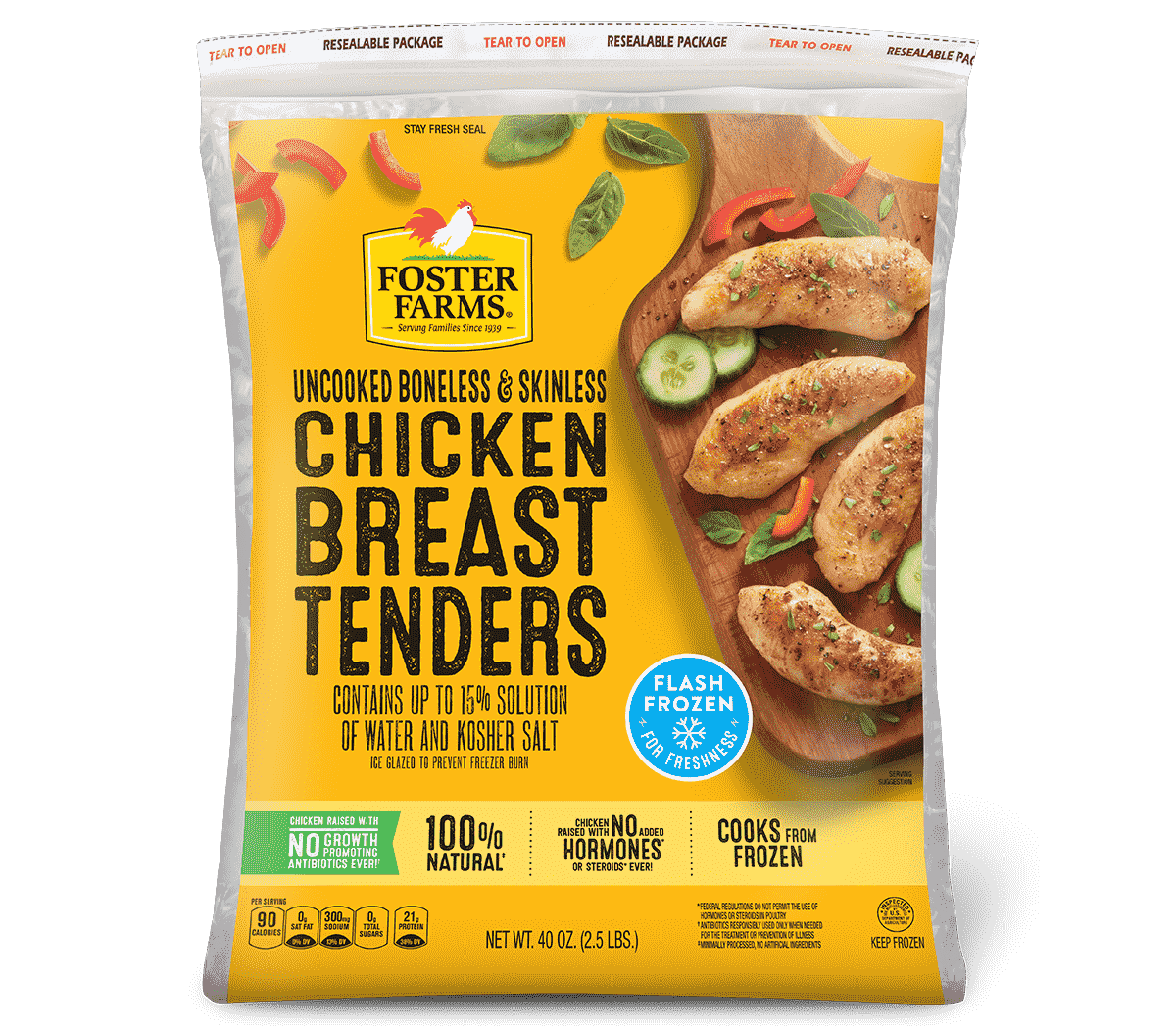

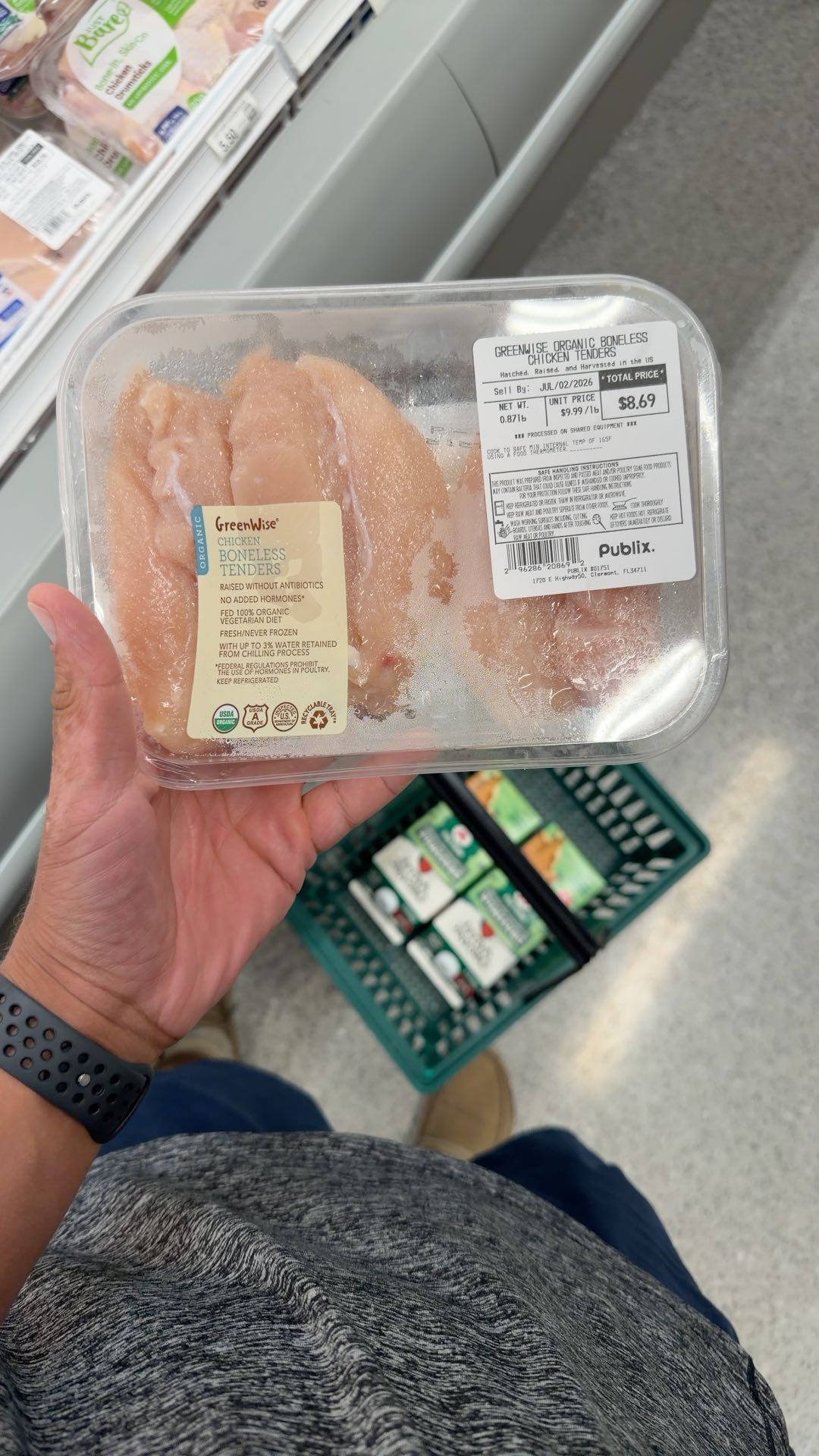

Chicken Breast Tenders
Summary
The Chicken Breast Tenders are made with boneless chicken breast, a high-quality protein source, and include natural flavorings like onion and garlic powder. However, the product is processed and contains brown sugar, which adds unnecessary refined sugars. The presence of multiple ingredients and the processing level limit the score, despite the inclusion of some beneficial components.
At a glance
Key ingredients 16
Boneless Chicken Breast with Rib MeatGood
A high-quality source of animal protein providing essential amino acids. Chicken breast is low in fat and rich in nutrients like B vitamins and selenium. It is minimally processed, retaining its nutritional integrity.
Benefits
Rich in protein which supports muscle growth and repair. Contains essential nutrients that contribute to overall health.
WaterNeutral
Used as a processing aid and to maintain moisture in the product. Water is a neutral ingredient with no nutritional value. It helps in maintaining the texture and juiciness of the chicken tenders.
See more about Water →Rice FlourNeutral
A gluten-free flour used as a coating or thickening agent. Rice flour is a simple carbohydrate source with minimal nutritional benefits. It is often used in gluten-free products to provide texture.
Benefits
Provides a gluten-free alternative for those with gluten sensitivities.
Yellow Corn FlourNeutral
A common flour used for coating and texture in processed foods. Yellow corn flour is a source of carbohydrates and provides a mild flavor. It is minimally processed compared to refined flours.
Benefits
Offers a source of carbohydrates and can contribute to the texture of the product.
Yellow Corn MealNeutral
Used in small quantities for texture and flavor enhancement. Yellow corn meal is a coarse flour that adds a crunchy texture to coatings. It is a whole grain product with minimal processing.
Benefits
Provides a whole grain option that can enhance texture.
SaltNeutral
Commonly used for flavor enhancement and preservation. Salt is essential for various bodily functions but should be consumed in moderation. Excessive intake can lead to health issues like hypertension.
Risks
High sodium intake can contribute to hypertension and cardiovascular issues.
Benefits
Enhances flavor and acts as a preservative.
Corn StarchNeutral
Used as a thickening agent in many processed foods. Corn starch is a refined carbohydrate with no significant nutritional value. It helps in achieving the desired texture and consistency.
Benefits
Provides texture and consistency to the product.
Brown SugarBad
A refined sugar used for sweetness and flavor. Brown sugar is a source of empty calories and can contribute to weight gain and metabolic issues. It is minimally processed compared to white sugar but still lacks significant nutritional benefits.
Risks
Excessive consumption can lead to weight gain, insulin resistance, and dental issues.
Benefits
Provides sweetness and flavor enhancement.
Raisin Juice ConcentrateNeutral
Used as a natural sweetener and flavor enhancer. Raisin juice concentrate is derived from whole raisins and retains some of their nutrients. It is less processed than refined sugars but still contributes to overall sugar content.
Risks
May contribute to overall sugar intake if consumed in large quantities.
Benefits
Provides natural sweetness and some antioxidants from raisins.
HoneyGood
A natural sweetener with antioxidant properties. Honey contains trace amounts of vitamins and minerals and is less processed than refined sugars. It can provide a unique flavor profile and potential health benefits.
Risks
Should be consumed in moderation due to its sugar content.
Benefits
Contains antioxidants and has antibacterial properties.
Yeast ExtractNeutral
Used for flavor enhancement, particularly umami taste. Yeast extract is a source of B vitamins and amino acids. It is a natural ingredient but can be high in sodium.
Risks
May contribute to sodium intake if consumed in large amounts.
Benefits
Enhances flavor and provides B vitamins.
Onion PowderGood
A dehydrated form of onion used for flavoring. Onion powder retains some of the nutrients and antioxidants found in fresh onions. It is a natural ingredient with minimal processing.
Benefits
Provides flavor and contains antioxidants.
Garlic PowderGood
A dehydrated form of garlic used for flavoring. Garlic powder retains some of the beneficial compounds found in fresh garlic, such as allicin. It is a natural ingredient with potential health benefits.
Benefits
Contains compounds that may support heart health and immune function.
White PeppersNeutral
Used for seasoning and flavor enhancement. White pepper is derived from the same plant as black pepper but is processed differently. It provides a milder flavor and is a natural ingredient.
Benefits
Adds flavor and may aid digestion.
SpicesNeutral
A blend of various spices used for flavoring. Spices are natural ingredients that can provide antioxidants and enhance flavor. The specific spices used are not detailed, which limits precise analysis.
Benefits
Enhances flavor and may provide antioxidants.
Celery ExtractNeutral
Used as a natural preservative and flavor enhancer. Celery extract contains natural nitrates and is often used in place of synthetic preservatives. It is a natural ingredient with minimal processing.
Risks
May contribute to nitrate intake, which is a concern for some individuals.
Benefits
Acts as a natural preservative and provides flavor.
Processing
Processed Foods
Get the full breakdown in the Scout app
Scan any product to see lab results, healthy alternatives, and your personalized analysis.
Download on theApp Store