


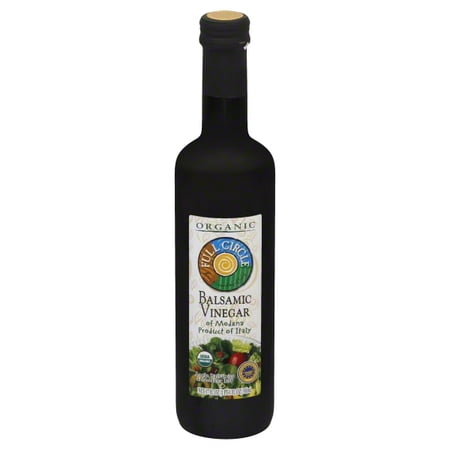


BALSAMIC VINEGAR OF MODENA, BALSAMIC
Analysis updated August 2026 · How Scout scores
At a glance
Summary
This balsamic vinegar is minimally processed, primarily composed of wine vinegar and concentrated grape must, which are natural ingredients. However, the inclusion of caramel as a coloring agent introduces a processed element that slightly detracts from its overall purity. Despite this, the product remains largely unprocessed and retains a high level of ingredient quality.
Key ingredients 3
Wine vinegarNeutral
Wine vinegar is a fermented product that provides acidity and flavor. It is minimally processed and contains no artificial additives. It is a common ingredient in condiments and dressings.
Concentrated grape mustNeutral
Concentrated grape must is a natural sweetener derived from grapes, providing flavor and sweetness. It is less processed than refined sugars but still contributes sugars to the diet. It is a traditional ingredient in balsamic vinegar.
Risks
Excessive consumption may contribute to increased sugar intake, which can impact blood sugar levels.
Benefits
Provides natural sweetness and flavor without the use of refined sugars.
CaramelBad
Caramel is often used as a coloring and flavoring agent, but it is a processed ingredient. It can contain additives and may be produced using high temperatures, which can create undesirable compounds. Its use in foods is primarily for aesthetic purposes.
Risks
Potential risks include the formation of harmful compounds during high-temperature processing.
Processing
Unprocessed or Minimally Processed Foods
Get the full breakdown in the Scout appTake Scout shopping
Scan any product to see lab results, healthy alternatives, and your personalized analysis.
Download on theApp Store GET IT ONGoogle Play