


At a glance
Summary
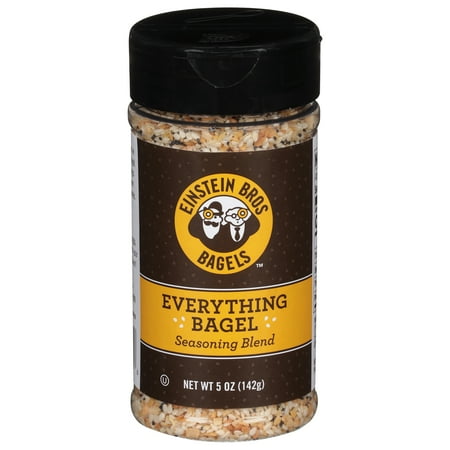
This everything bagel is a processed food with a moderate level of processing, which limits its potential score. It contains enriched wheat flour and sugar, which are refined ingredients that contribute to its processed nature. However, the inclusion of sesame seeds and yeast adds some nutritional value, providing healthy fats and B vitamins, which slightly improve its overall rating.
Key ingredients 11
Sesame SeedsGood
Sesame seeds are a whole food ingredient rich in healthy fats, protein, and minerals like calcium and magnesium. They add flavor and nutritional value to baked goods. Their natural oils can provide anti-inflammatory benefits.
Risks
May cause allergic reactions in susceptible individuals.
Benefits
Rich in healthy fats and minerals, contributing to heart health and bone strength.
NiacinGood
Beneficial ingredient — whole-food or functional value in this product class.
Benefits
Essential for energy metabolism and skin health.
RiboflavinGood
Essential B vitamin — beneficial micronutrient.
Benefits
Essential for energy production and cellular function.
WaterNeutral
Water is a basic ingredient used in many food products and has no nutritional value. It acts as a solvent and helps in the mixing of ingredients. It is essential for hydration but does not contribute calories or nutrients.
See more about Water →YeastNeutral
Baker's/nutritional yeast in standard use — benign.
Benefits
Contributes to the leavening of bread and can provide B vitamins.
Reduced IronNeutral
Reduced iron is added to enriched flour to prevent iron deficiency anemia. It is a common fortification in processed grains. The bioavailability of iron from fortified sources can vary.
Risks
Excessive iron intake can lead to toxicity, but this is rare from fortified foods alone.
Benefits
Helps prevent iron deficiency anemia by providing a source of dietary iron.
Thiamin MononitrateNeutral
Thiamin mononitrate is a form of vitamin B1 added to enriched flour to replace nutrients lost during processing. It is essential for carbohydrate metabolism and nerve function. It is a standard fortification in many grain products.
Benefits
Supports carbohydrate metabolism and nerve function.
Folic AcidNeutral
Folic acid is a synthetic form of vitamin B9 added to enriched flour to prevent neural tube defects. It is crucial for DNA synthesis and cell division. It is a standard fortification in many grain products.
Risks
Excessive intake can mask vitamin B12 deficiency symptoms.
Benefits
Prevents neural tube defects and supports DNA synthesis.
Enriched Wheat FlourBad
Refined grain flour stripped of bran and germ.
Risks
May contribute to blood sugar spikes due to its refined nature and lack of fiber.
Benefits
Provides essential vitamins and minerals such as iron and B vitamins due to fortification.
SugarBad
Sugar is a refined carbohydrate that can contribute to increased calorie intake without providing essential nutrients. Excessive consumption is linked to various health issues such as obesity and dental cavities. It is often added for sweetness and texture in baked goods.
Risks
High intake can lead to obesity, type 2 diabetes, and dental problems.
Benefits
Provides quick energy but lacks essential nutrients.
Soy LecithinBad
Soy lecithin is an emulsifier derived from soybeans, used to improve texture and shelf life. It is a processed ingredient that may contain traces of soy allergens. While generally recognized as safe, it is not a whole food ingredient.
Risks
May cause allergic reactions in individuals sensitive to soy.
Benefits
Helps maintain product texture and extend shelf life.
Processing
Processed Foods
Get the full breakdown in the Scout appTake Scout shopping
Scan any product to see lab results, healthy alternatives, and your personalized analysis.
Download on theApp Store GET IT ONGoogle Play