
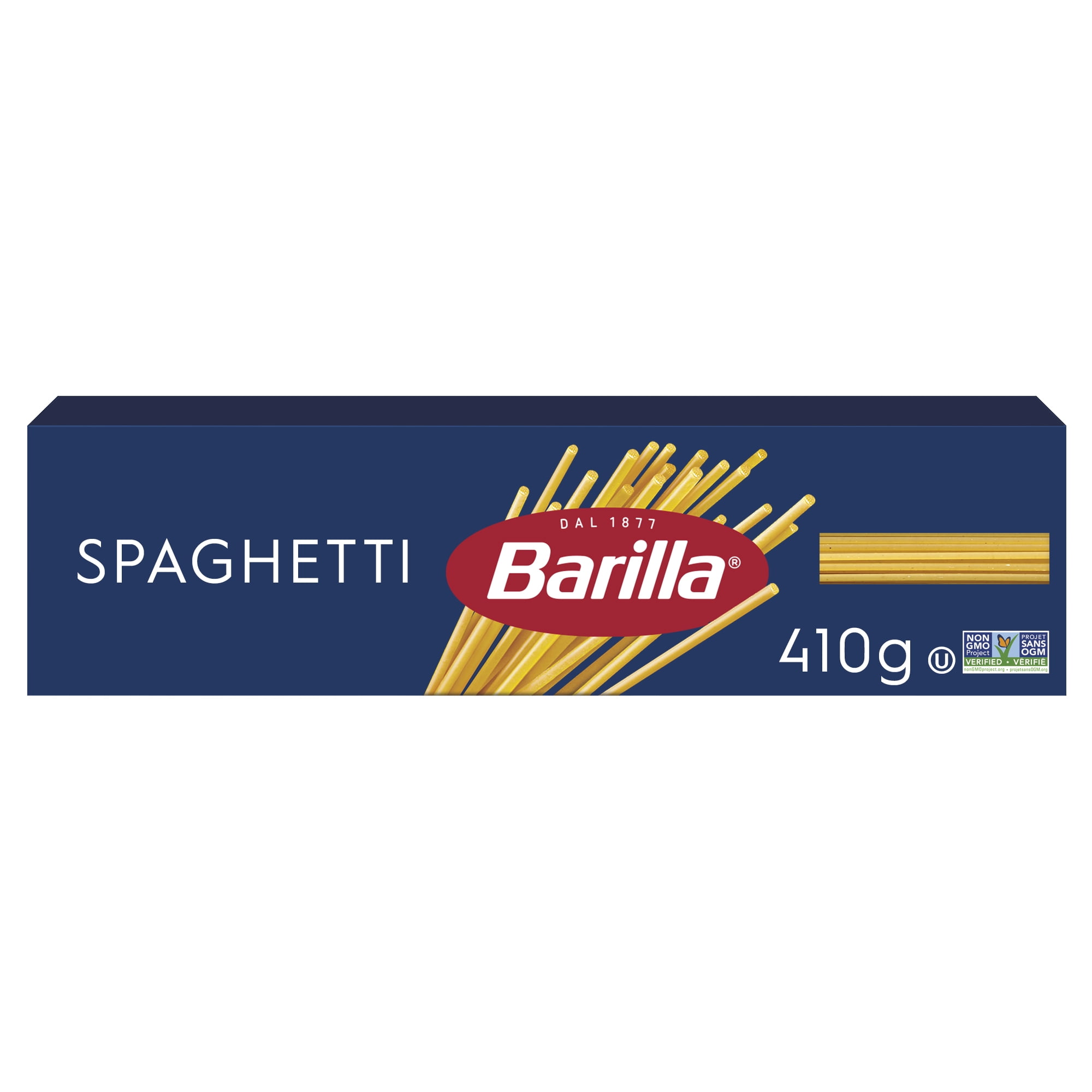


Barilla Spaghetti Pasta 410 G
Analysis updated June 2026 · How Scout scores
At a glance
Summary
This pasta is made primarily from semolina and durum wheat, which are minimally processed ingredients that retain more nutrients compared to refined flours. The product contains added vitamins and minerals, enhancing its nutritional profile without introducing harmful additives. Its low level of processing and clean ingredient list contribute to a high score.
Key ingredients 7
NiacinGood
Beneficial ingredient — whole-food or functional value in this product class.
See more about Niacin →RiboflavinGood
Essential B vitamin — beneficial micronutrient.
See more about Riboflavin →SemolinaNeutral
Semolina is a traditional pasta base made from durum wheat, providing a natural source of carbohydrates with minimal processing.
See more about Semolina →Durum wheatNeutral
Durum wheat is a type of hard wheat used in pasta making, offering a natural, minimally processed ingredient.
Ferrous sulphateNeutral
Ferrous sulphate is an iron supplement added to help prevent iron deficiency, a common fortification practice.
Thiamine mononitrateNeutral
Thiamine mononitrate is a vitamin B1 supplement added to support nutritional enrichment.
See more about Thiamine mononitrate →Folic acidNeutral
Folic acid is a vitamin added to support overall nutritional value and prevent deficiencies.
See more about Folic acid →Processing
Unprocessed or Minimally Processed Foods
Get the full breakdown in the Scout appTake Scout shopping
Scan any product to see lab results, healthy alternatives, and your personalized analysis.
Download on theApp Store GET IT ONGoogle PlayAmazon pricing & content
Amazon price as of . Product prices and availability are accurate as of the date/time indicated and are subject to change. Any price and availability information displayed on Amazon.com at the time of purchase will apply to the purchase of this product.
CERTAIN CONTENT THAT APPEARS ON THIS SITE COMES FROM AMAZON. THIS CONTENT IS PROVIDED “AS IS” AND IS SUBJECT TO CHANGE OR REMOVAL AT ANY TIME.