
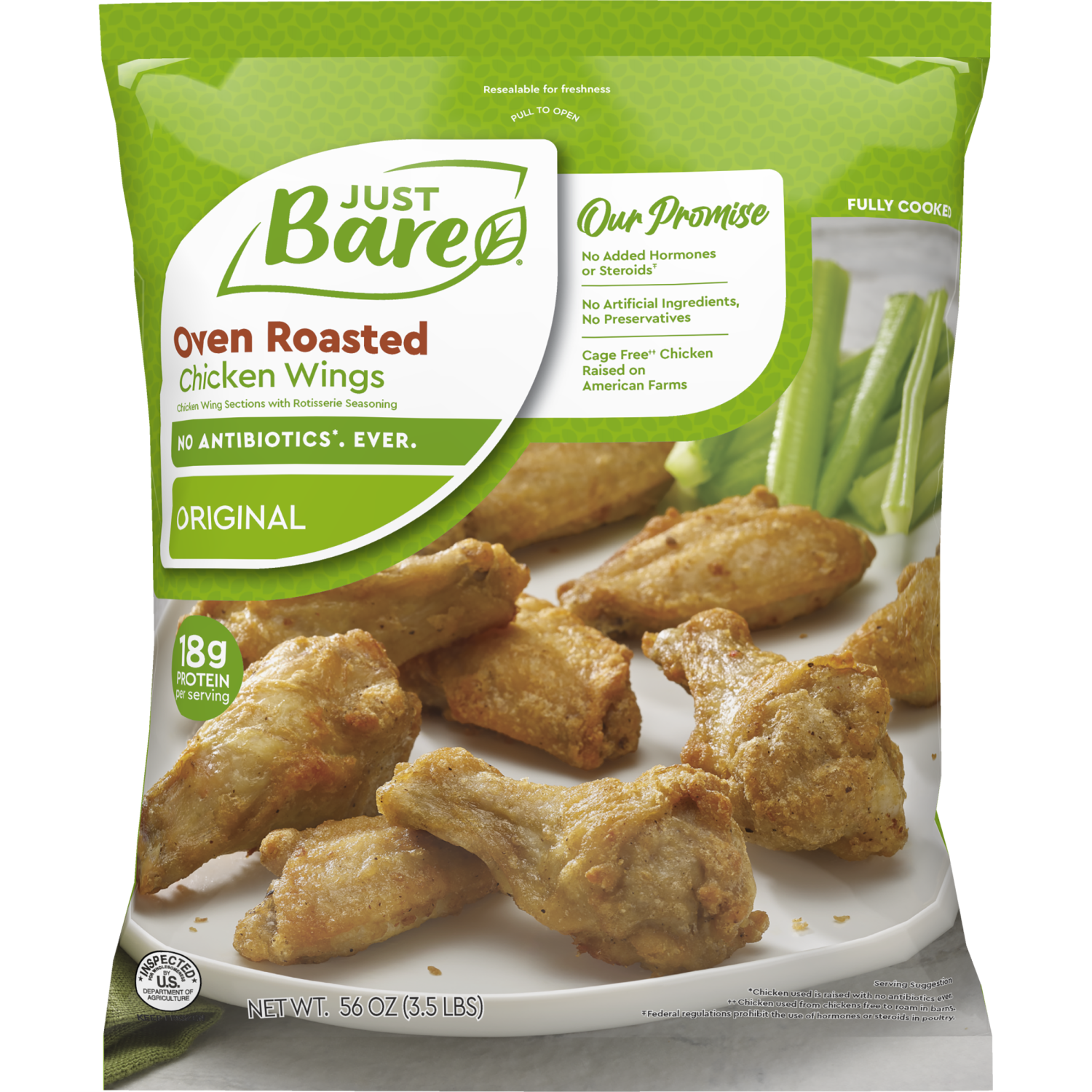
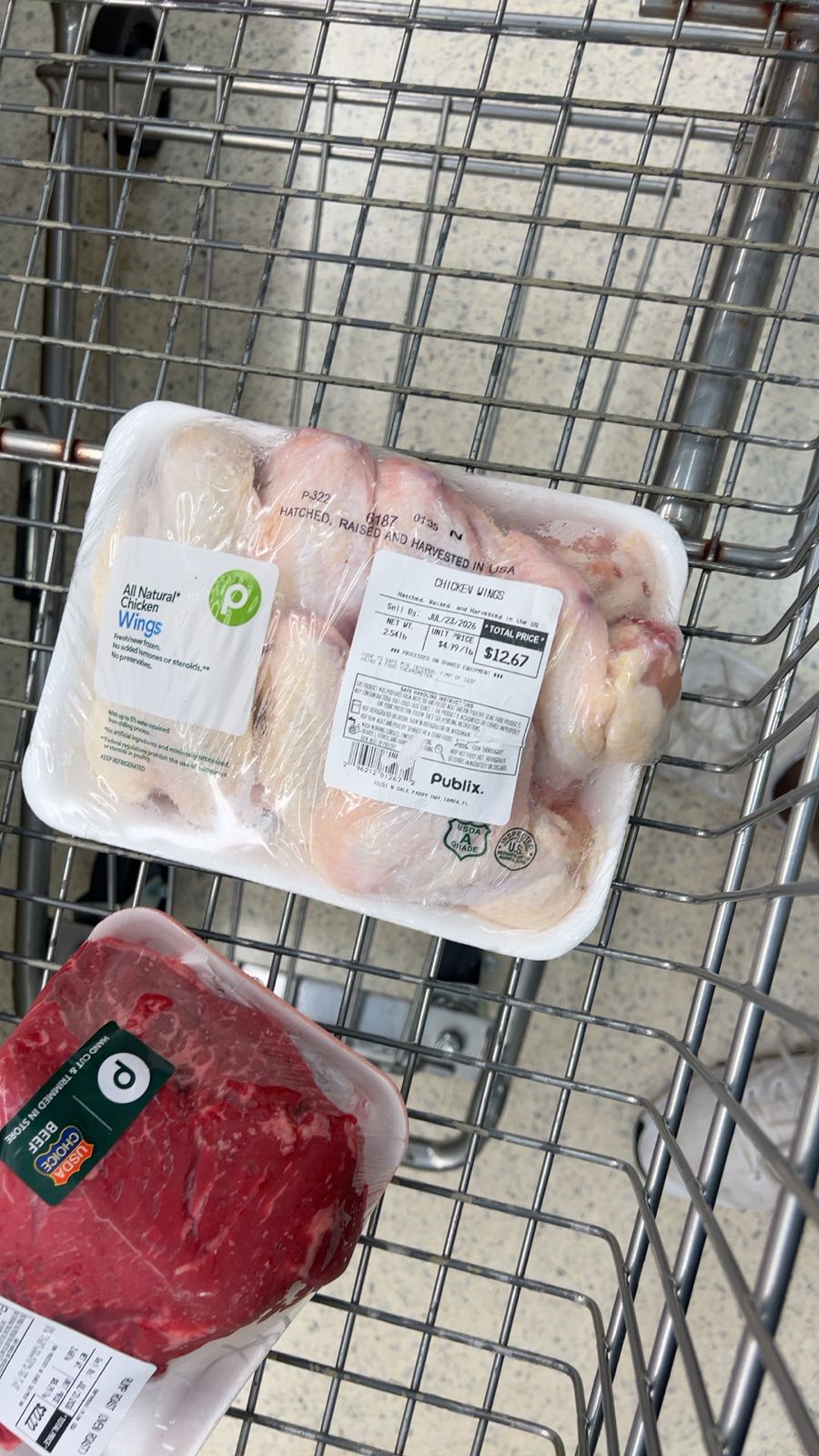
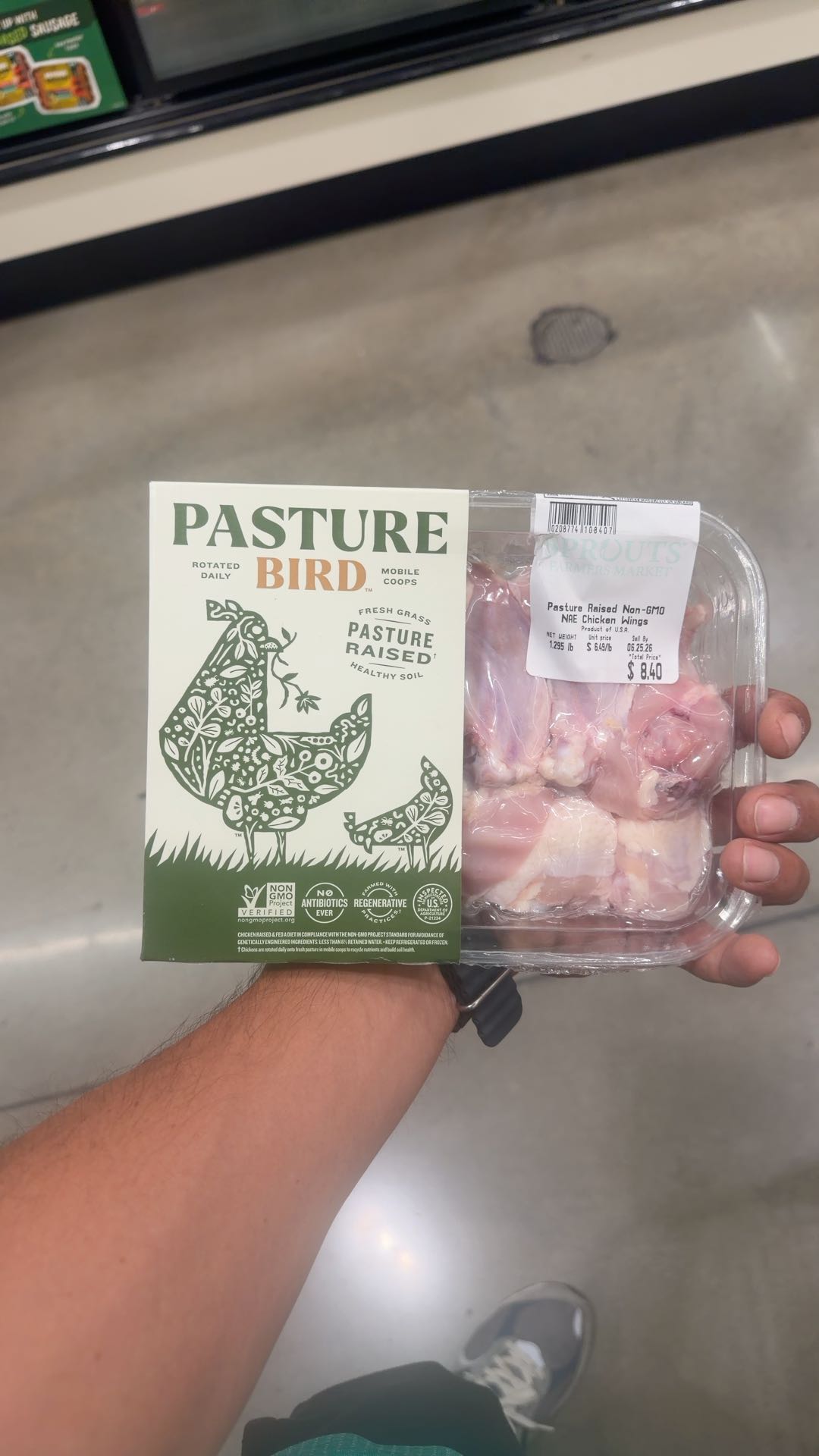


roasted chicken wings
Summary
The roasted chicken wings are a processed food with a moderate level of processing, which limits their score potential. While they provide high-quality protein and essential nutrients, the presence of added sugar is a concern, as it can contribute to metabolic issues and other health problems. The product's processing level and the inclusion of sugar prevent it from achieving a higher score.
At a glance
Key ingredients 9
Chicken WingGood
Chicken wings are a source of high-quality animal protein, providing essential amino acids. They contain beneficial nutrients like B vitamins and minerals such as phosphorus and selenium. The quality of the meat can vary based on the chicken's diet and living conditions.
Risks
High in saturated fat, which may contribute to heart disease if consumed in excess.
Benefits
Provides essential amino acids and nutrients like B vitamins and selenium, supporting muscle growth and metabolic functions.
WaterNeutral
Water is used as a processing aid and does not contribute nutritional value. It helps in maintaining moisture content in the product. There are no health concerns associated with water in this context.
See more about Water →Potato StarchNeutral
Potato starch is used as a thickening agent and provides texture to the product. It is a refined carbohydrate with minimal nutritional value. It is generally considered safe for consumption.
Risks
May contribute to blood sugar spikes if consumed in large quantities.
Benefits
Provides texture and thickness to food products without significant nutritional benefits.
SaltNeutral
Salt is used for flavor enhancement and preservation. It is essential for various bodily functions but should be consumed in moderation. Excessive intake can lead to health issues such as hypertension.
Risks
High sodium intake is associated with increased risk of hypertension and cardiovascular diseases.
Benefits
Enhances flavor and acts as a preservative in food products.
Corn StarchNeutral
Corn starch is a common thickening agent used in food processing. It is a refined carbohydrate with little nutritional value. It is generally safe for consumption but offers no significant health benefits.
Risks
May cause blood sugar spikes if consumed in large amounts.
Benefits
Provides texture and thickness to food products without significant nutritional benefits.
Rice FlourNeutral
Rice flour is used as a gluten-free alternative to wheat flour. It provides texture and structure to food products. It is a source of carbohydrates but lacks significant nutritional benefits.
Risks
May contribute to blood sugar spikes if consumed in large quantities.
Benefits
Offers a gluten-free option for those with celiac disease or gluten sensitivity.
Tapioca StarchNeutral
Tapioca starch is used as a thickening agent and provides a chewy texture. It is a refined carbohydrate with minimal nutritional value. It is generally considered safe for consumption.
Risks
May cause blood sugar spikes if consumed in large amounts.
Benefits
Provides texture and thickness to food products without significant nutritional benefits.
SugarBad
Sugar is a refined carbohydrate that can contribute to weight gain and metabolic issues. It provides quick energy but lacks essential nutrients. Excessive consumption is linked to various health problems, including diabetes and heart disease.
Risks
High sugar intake is associated with increased risk of obesity, type 2 diabetes, and cardiovascular diseases.
Benefits
Provides quick energy but should be consumed in moderation due to health risks.
Natural FlavorsNeutral
Natural flavors are used to enhance the taste of food products. They are derived from natural sources but can be highly processed. The exact composition is often proprietary, leading to limited transparency.
Risks
Potential allergenicity and lack of transparency in ingredient sourcing.
Benefits
Enhances flavor without adding significant nutritional value.
Processing
Processed Foods
Get the full breakdown in the Scout app
Scan any product to see lab results, healthy alternatives, and your personalized analysis.
Download on theApp Store