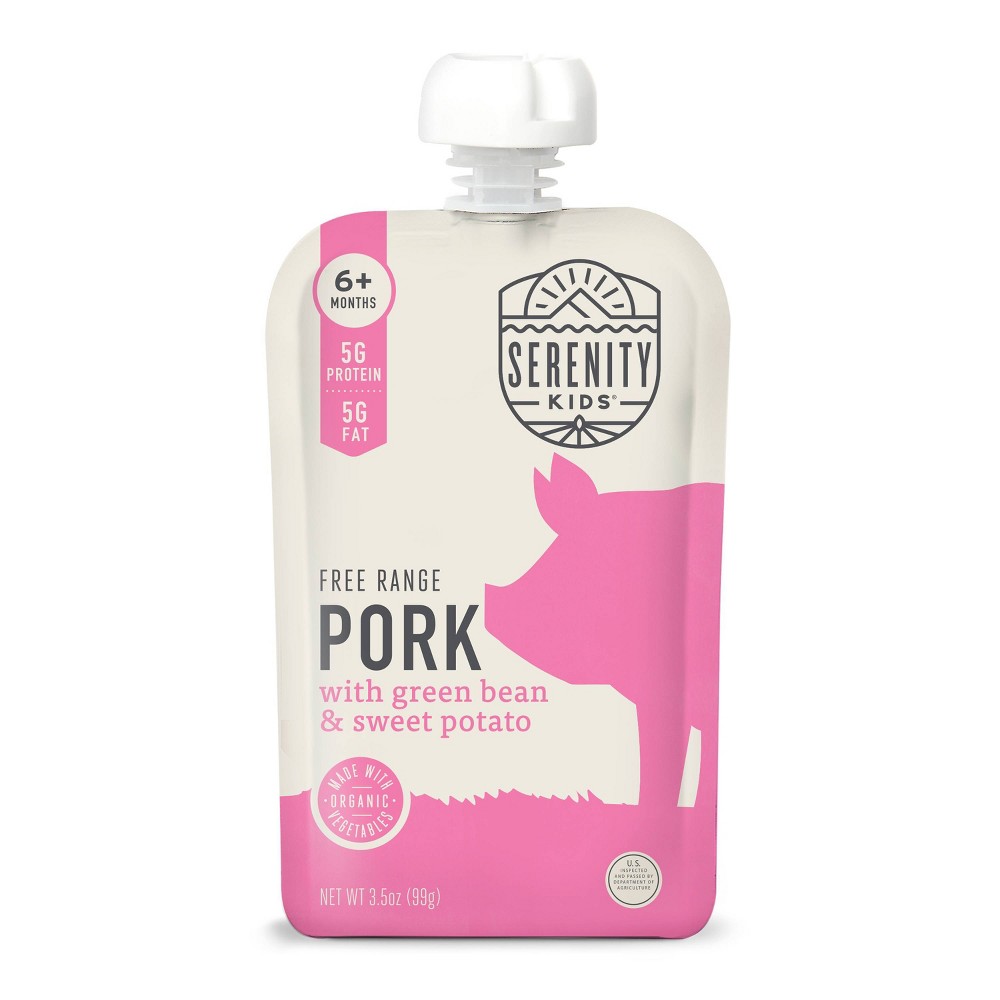
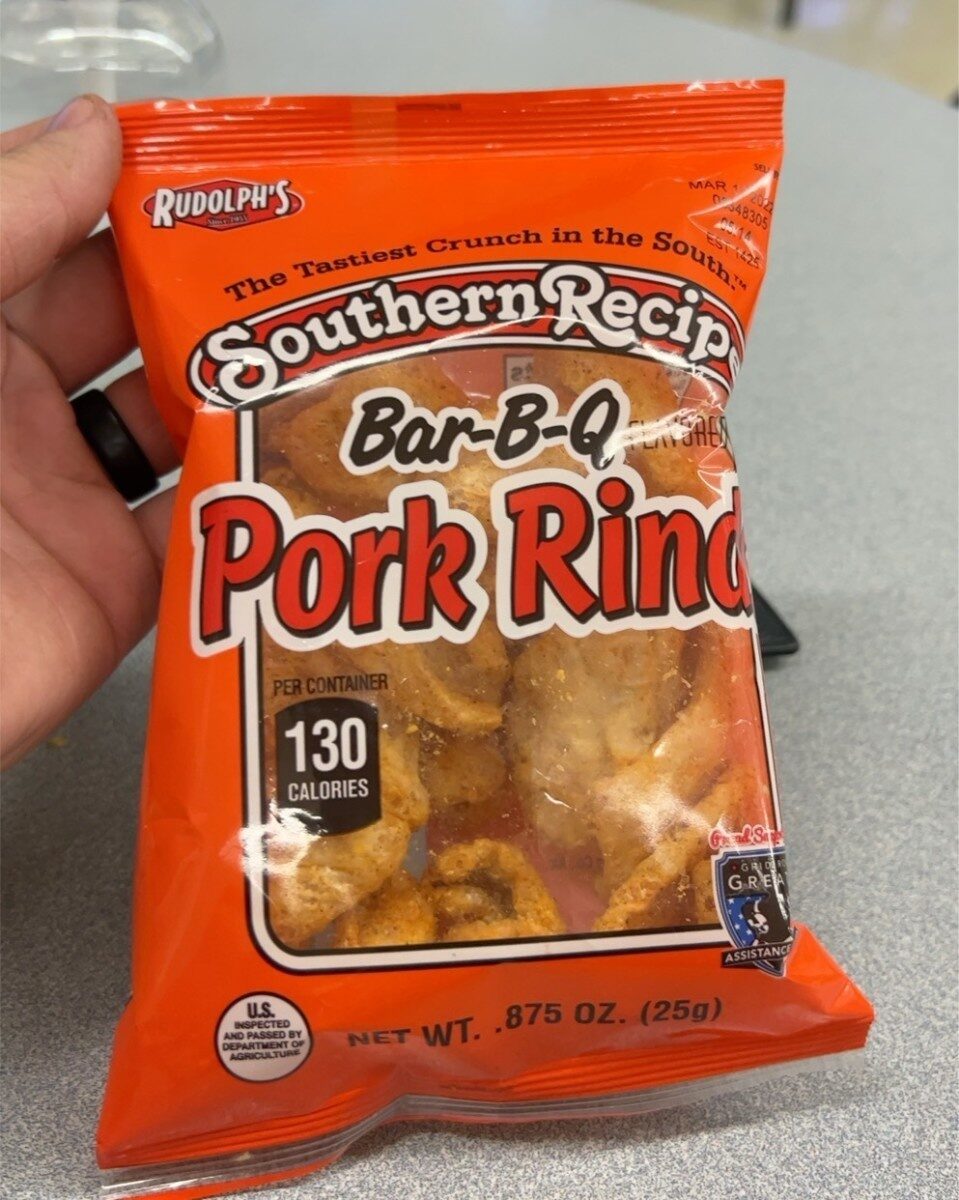
Pork Rinds
At a glance
Summary
Pork rinds are a minimally processed snack made primarily from pork skin and salt, offering a high protein content with no carbohydrates or sugars. The absence of seed oils, artificial additives, and preservatives contributes to its high score, making it a cleaner option compared to many other salty snacks. However, the high sodium content is a consideration for those monitoring salt intake. Its plastic packaging can shed microplastics into the food and lowers its score.
Key ingredients 2
Pork rindsNeutral
Pork rinds are a source of animal protein and fat, providing a high protein content. They are minimally processed, typically involving frying or baking to achieve a crispy texture. While they offer protein, they are also high in saturated fats.
Risks
High in saturated fats, which may contribute to cardiovascular issues if consumed in excess.
Benefits
Provides a significant amount of protein, which is essential for muscle maintenance and repair.
SaltNeutral
Salt is used as a seasoning to enhance flavor. It is a common culinary ingredient and is minimally processed. While it is necessary for bodily functions, excessive intake can lead to health issues.
Risks
Excessive salt consumption can lead to high blood pressure and other cardiovascular problems.
Benefits
Essential for maintaining fluid balance and nerve function in the body.
Processing
Unprocessed or Minimally Processed Foods
Get the full breakdown in the Scout appTake Scout shopping
Scan any product to see lab results, healthy alternatives, and your personalized analysis.
Are you Southern recipe? Fix an error Get the badge Get tested