

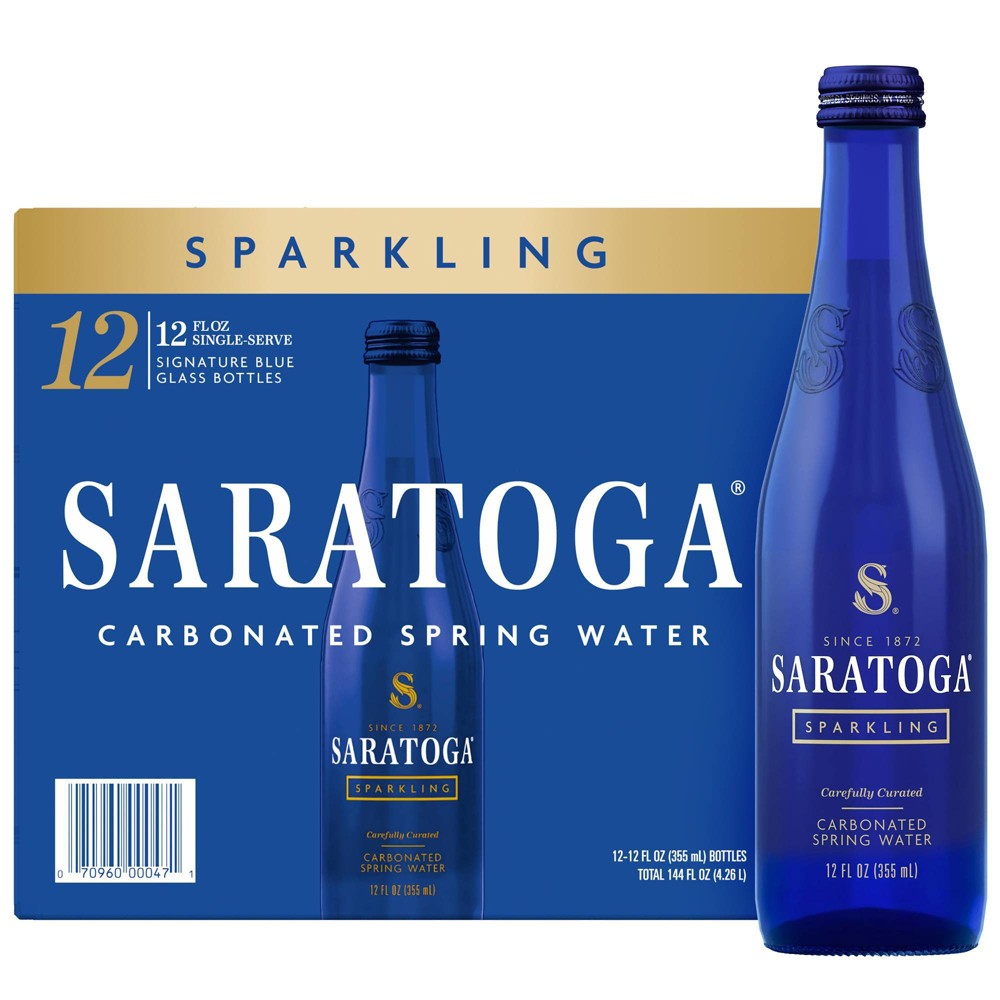



11.3 fl oz Sparkling Spring Water, Lime Twist
Summary
This sparkling water product includes added flavors and sweeteners, such as enzyme modified stevia extract, which are not typical for pure water products. The presence of potassium benzoate as a preservative and caffeine, which is unnecessary in water, contributes to its processed nature. These factors, along with the processing level, limit its score despite the absence of severe contaminants.
At a glance
Key ingredients 9
Carbonated waterNeutral
Carbonated water is simply water that has been infused with carbon dioxide gas under pressure. This process creates bubbles and gives the water a fizzy texture. It is generally considered neutral as it does not provide significant health benefits or risks.
See more about Carbonated water →Natural flavorsNeutral
Natural flavors are derived from natural sources such as fruits, vegetables, or other plant materials. They are used to enhance the taste of the product without adding calories. However, the exact composition is often proprietary, which can be a concern for those with allergies.
Risks
Potential allergen risk due to undisclosed specific sources.
Citric acidNeutral
Citric acid is a weak organic acid commonly used as a preservative and flavor enhancer in beverages. It is naturally found in citrus fruits and is generally recognized as safe. However, excessive consumption may lead to dental erosion.
Risks
Excessive consumption may lead to dental erosion.
ErythritolNeutral
Erythritol is a sugar alcohol used as a low-calorie sweetener. It is absorbed in the small intestine and excreted unchanged, which minimizes its caloric impact. It is generally well-tolerated but can cause digestive discomfort in large amounts.
Risks
May cause digestive discomfort such as bloating or gas when consumed in large quantities.
Benefits
Provides sweetness with minimal caloric impact, making it suitable for low-calorie diets.
Enzyme modified stevia extractGood
Enzyme modified stevia extract is a natural sweetener derived from the stevia plant, often enhanced for better taste. It provides sweetness without calories, making it a popular choice for sugar reduction. It is considered safe and beneficial for those managing calorie intake.
Benefits
Offers a natural, calorie-free sweetness, beneficial for reducing sugar intake.
Potassium benzoateBad
Potassium benzoate is a preservative used to inhibit the growth of mold, yeast, and some bacteria. It is effective in acidic conditions but can form benzene, a carcinogen, when combined with ascorbic acid. Its use is generally limited to small amounts due to potential health concerns.
Risks
Potential formation of benzene, a carcinogen, when combined with ascorbic acid.
PectinNeutral
Pectin is a natural polysaccharide found in fruits, used as a gelling agent in food products. It is generally recognized as safe and can aid in digestion. However, it does not provide significant nutritional value in small amounts.
Benefits
May aid in digestion and improve gut health.
Sodium citrateNeutral
Sodium citrate is a salt of citric acid used as a flavoring agent and preservative. It helps maintain the stability of active ingredients in beverages. While generally safe, excessive intake can lead to an imbalance in electrolytes.
Risks
Excessive intake may lead to an imbalance in electrolytes.
Benefits
Helps maintain stability and flavor in beverages.
CaffeineBad
Caffeine is a natural stimulant commonly found in coffee, tea, and various beverages. It can enhance alertness and improve concentration but may cause dependency and negative health effects in high doses. Its inclusion in water products is often unnecessary and can lead to overconsumption.
Risks
May cause dependency, increased heart rate, and anxiety in high doses.
Benefits
Can enhance alertness and improve concentration in moderate amounts.
Processing
Processed Foods
Get the full breakdown in the Scout app
Scan any product to see lab results, healthy alternatives, and your personalized analysis.
Download on theApp Store